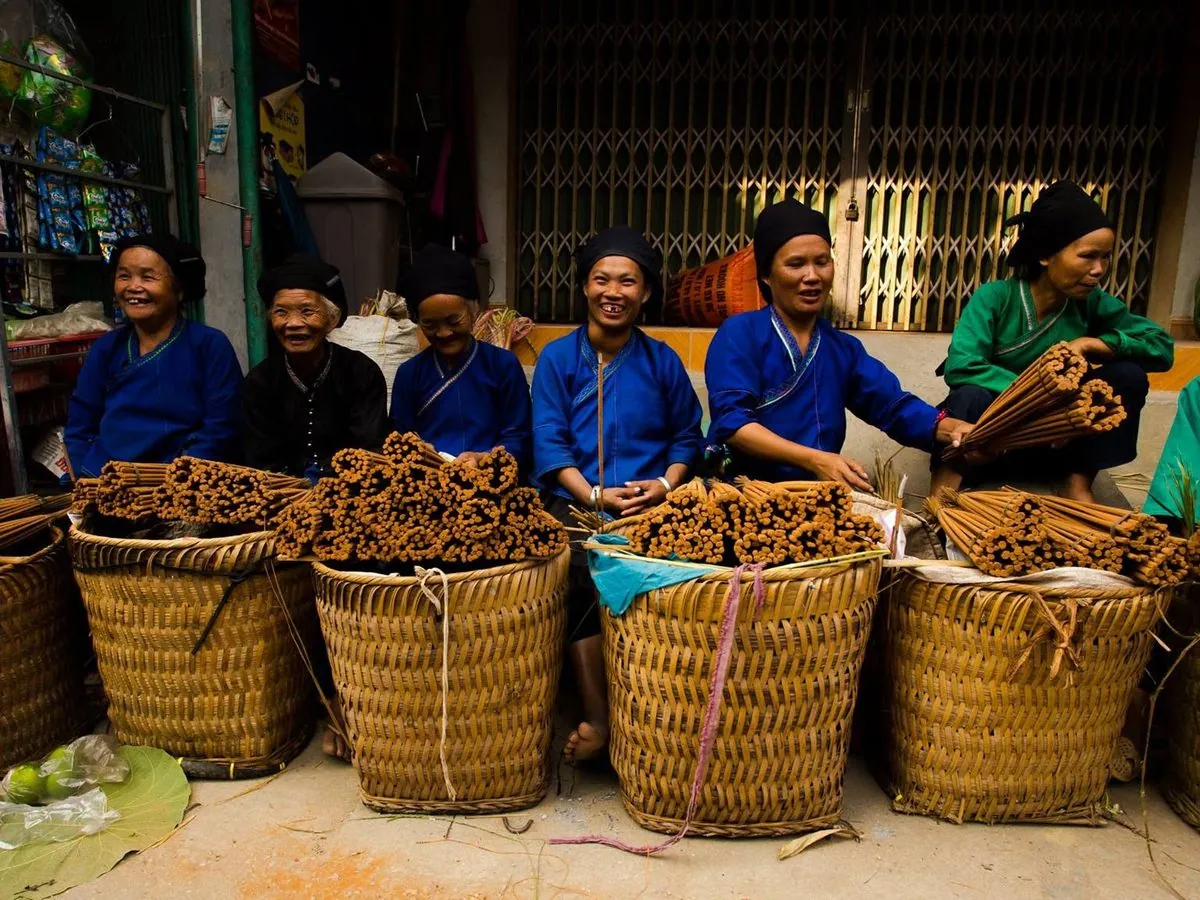
Cao Bang’s markets meet on fixed lunar dates, about six times a month on days ending in the same digit. A market on “1 and 6”, for example, meets on the 1st, 6th, 11th, 16th, 21st and 26th of the lunar month. Markets open at dawn and usually wind down before noon.
| Area | Market (lunar dates) | What’s special |
|---|---|---|
| North | Nuoc Hai (3, 8) · Cao Binh (5, 0) · Na Ri (4, 9) · Na Giang (1, 6) · Ban Gioi (5, 0) · Soc Ha (2, 7) · Tong Cot (2, 7) | Nuoc Hai is the largest, with trading in the Tay language; Na Giang draws many Hmong |
| West | Nguyen Binh (3, 8) · Tinh Tuc (5, 0) · Na Bao (4, 9) · Phai Khat (2, 7) · Phia Den (1, 6) | Many Red Dao and Dao Tien; silverwork, brocade, beeswax prints, shiitake, honey, arrowroot noodles |
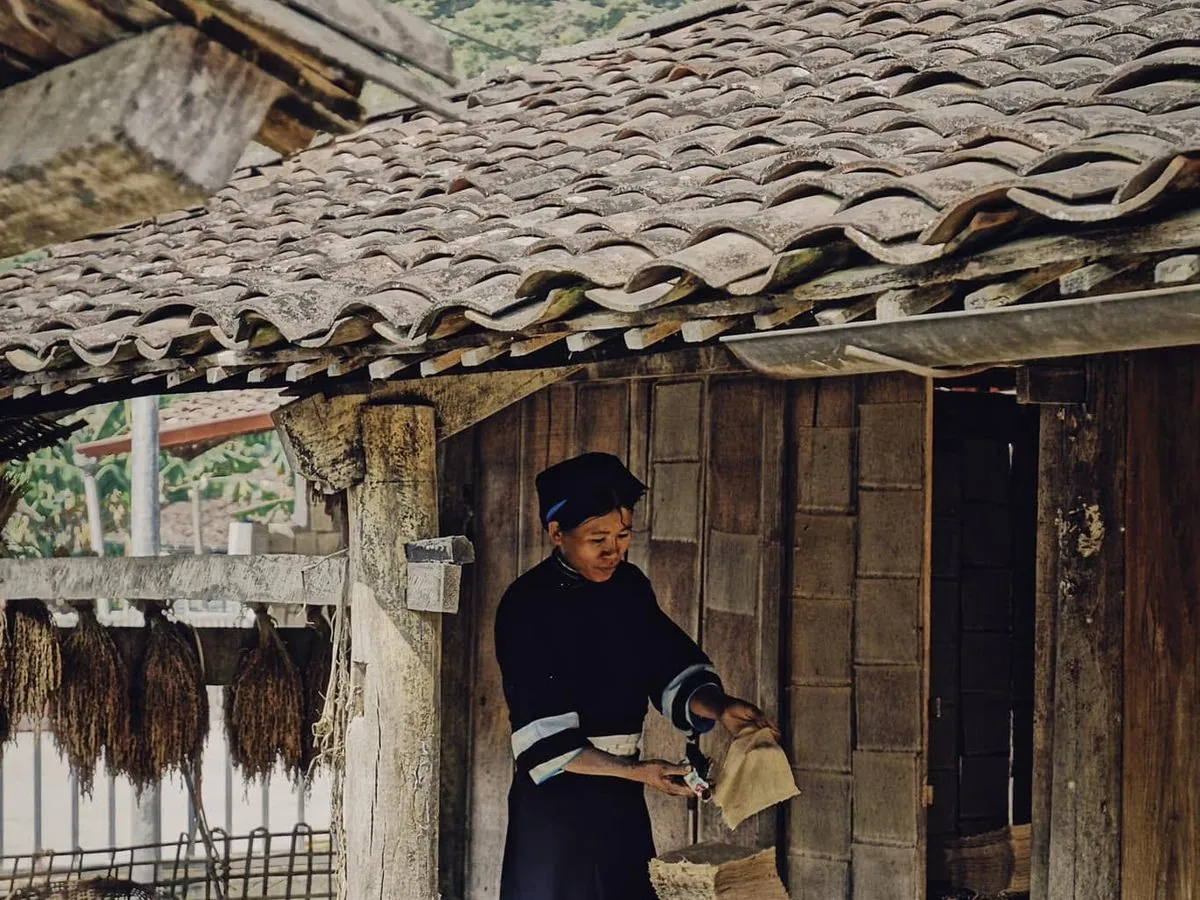
| East | Quang Uyen (1, 6) · Hang Chau (3, 8) · Trung Khanh (5, 0) · Po Tau (1, 6) · Po Peo (4, 9) · Thong Hue (2, 7) | Handmade paper, incense, indigo cloth, blacksmith goods, basketry, banh khao cakes, fermented soy sauce and tofu, mac pup jelly |
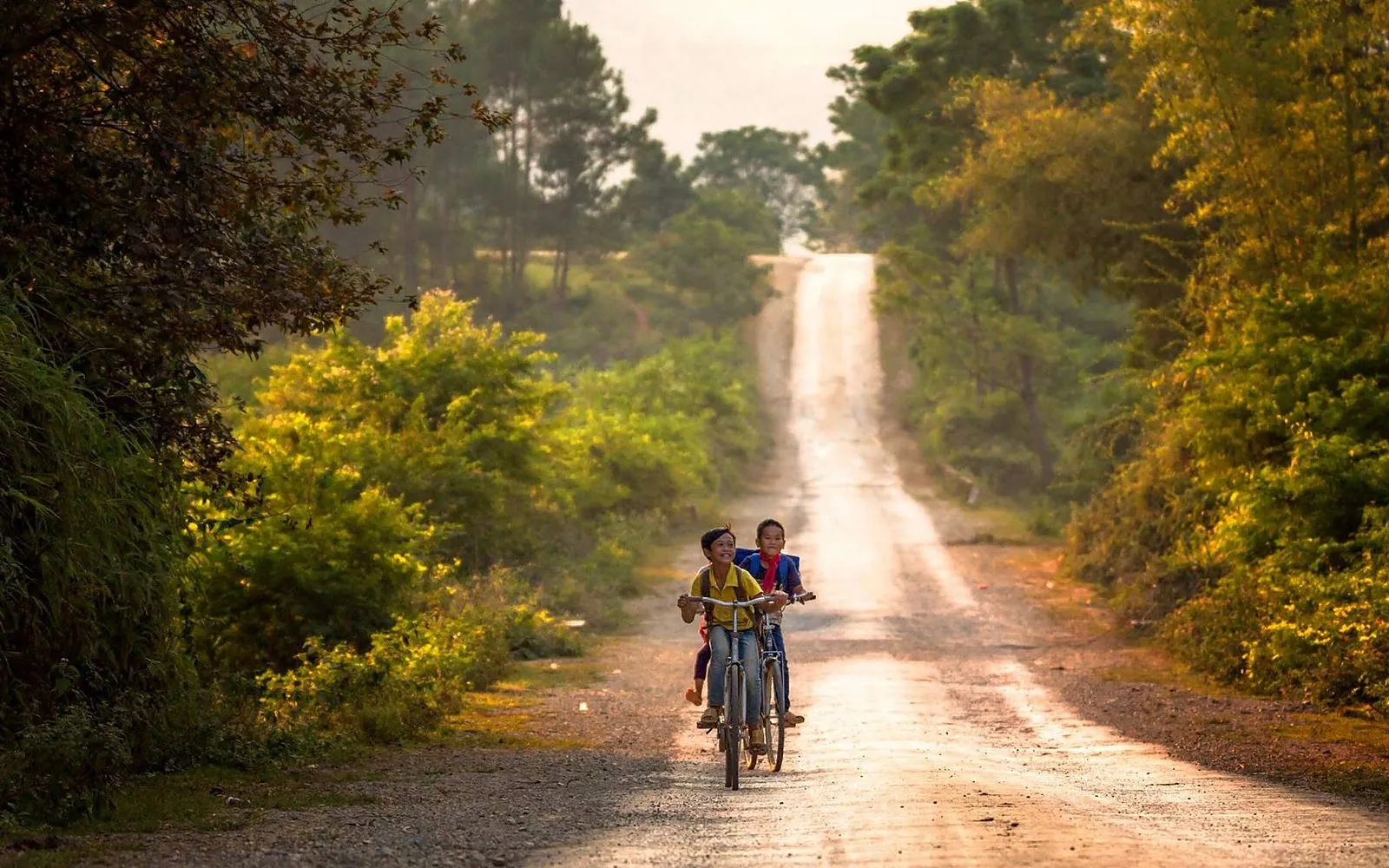
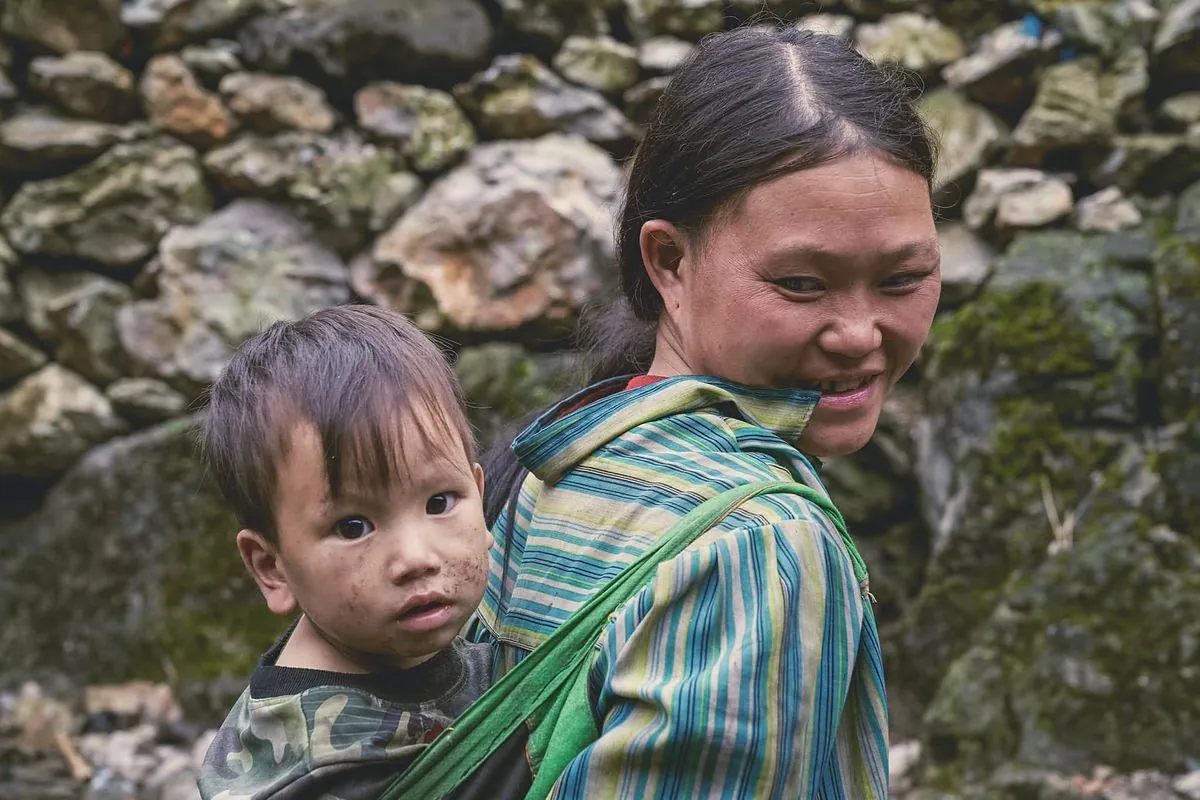
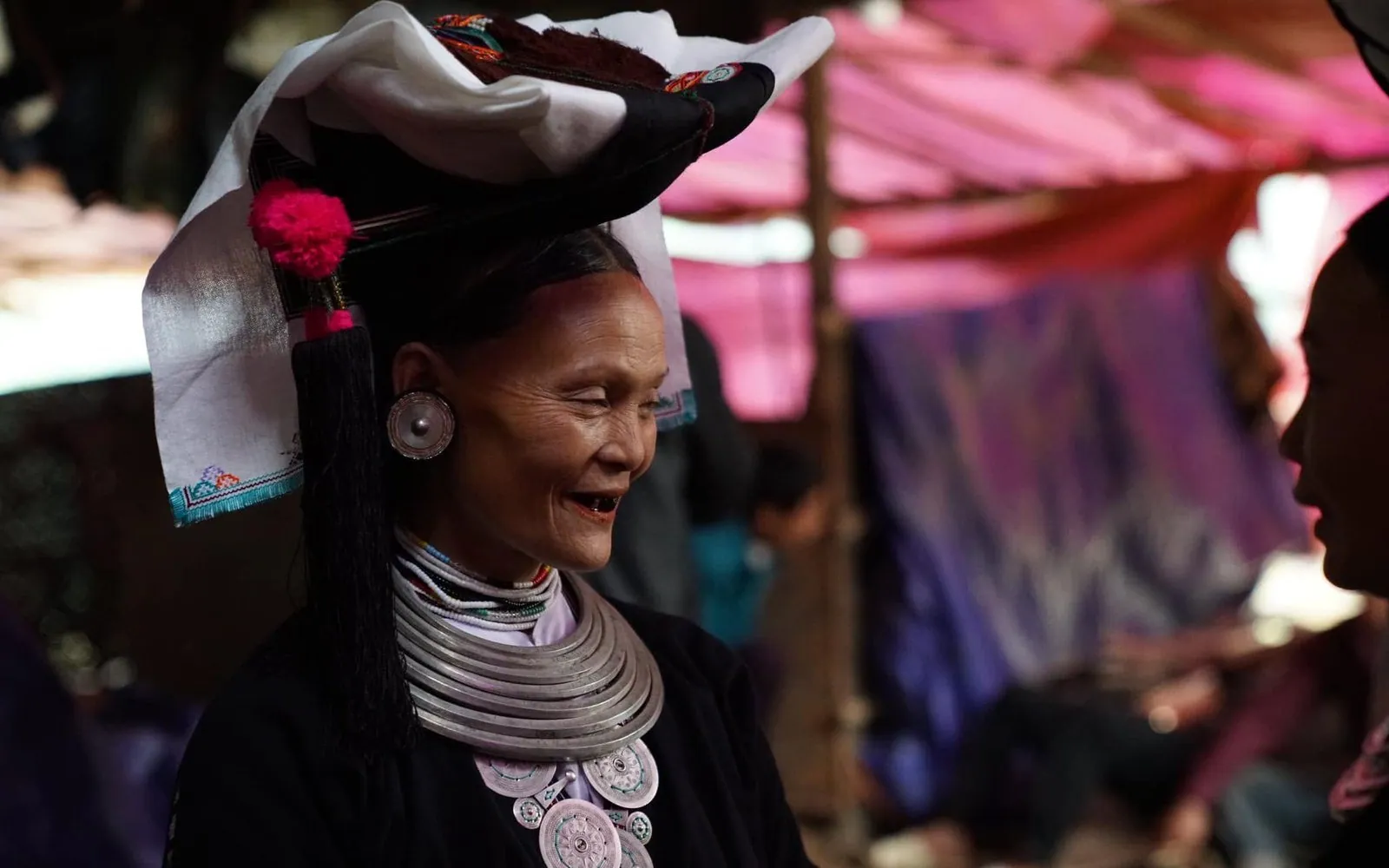 Photo: Bùi Tuấn Hùng
Market tips
- Convert your dates to the lunar calendar before you go, then double-check with your host as dates can change.
- Arrive early: about 7 – 9 am is the liveliest time.
- Bring small notes; bargain gently and with a smile.
- Always ask before photographing sellers, especially older people.
- Try breakfast at the market: rice rolls in broth, sour pho, banh khao cakes, fermented tofu.
See the market calendar on the Culture page
Compiled from the Non nuoc Cao Bang Geopark management, Vietnam’s official tourism portal and the press; updated October 2026. Schedules and rules can change, so check before you travel.