Ban Gioc Waterfall
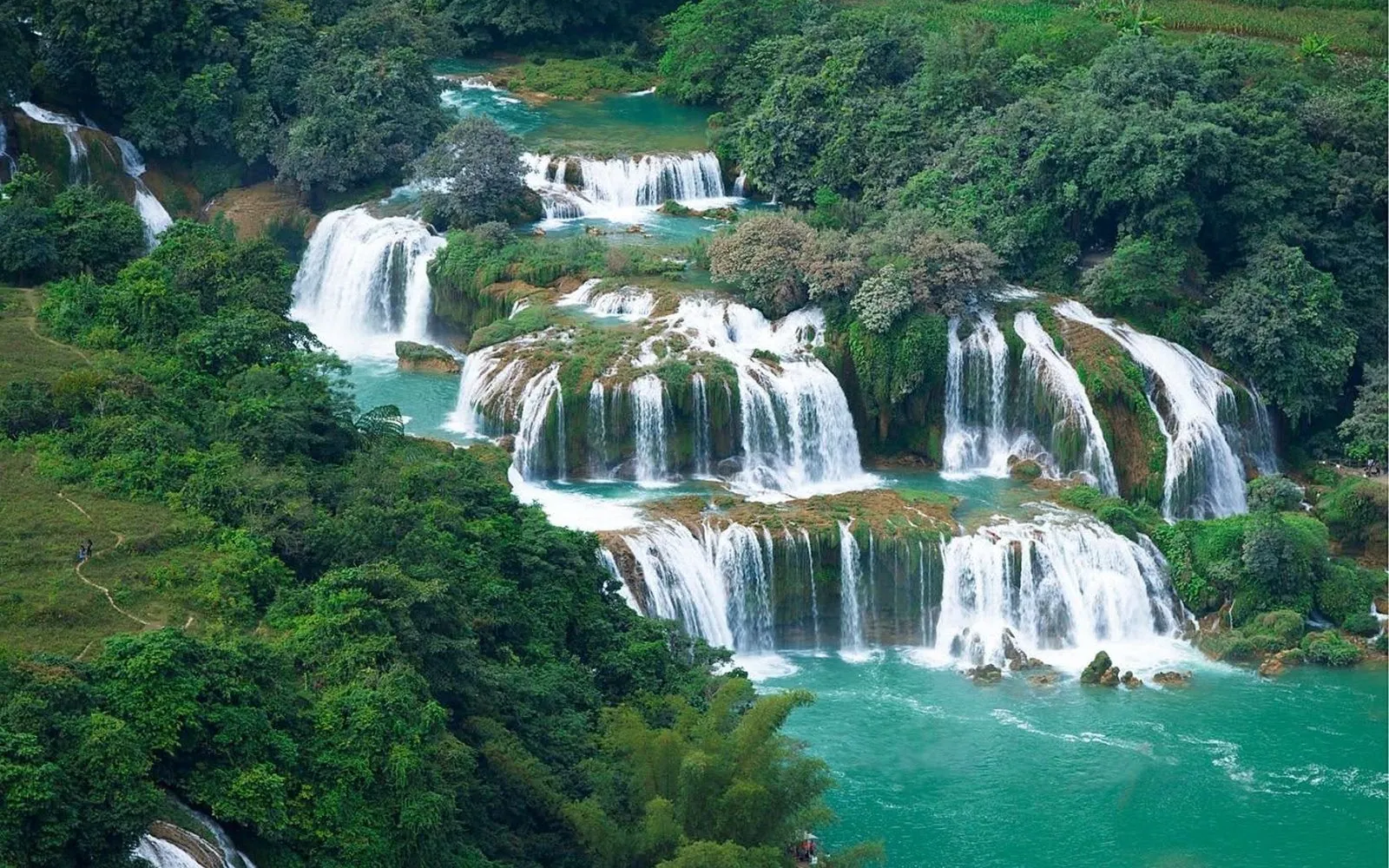
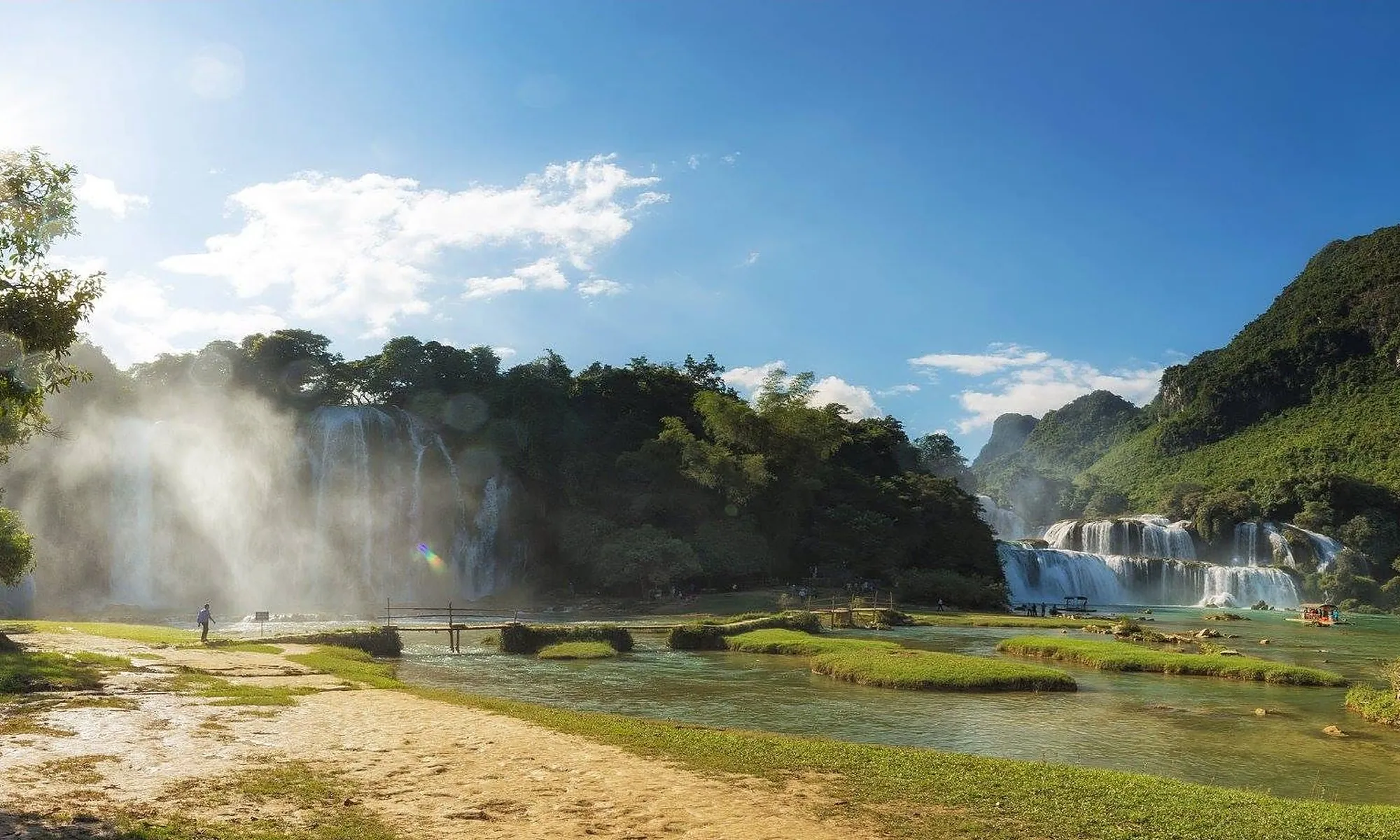
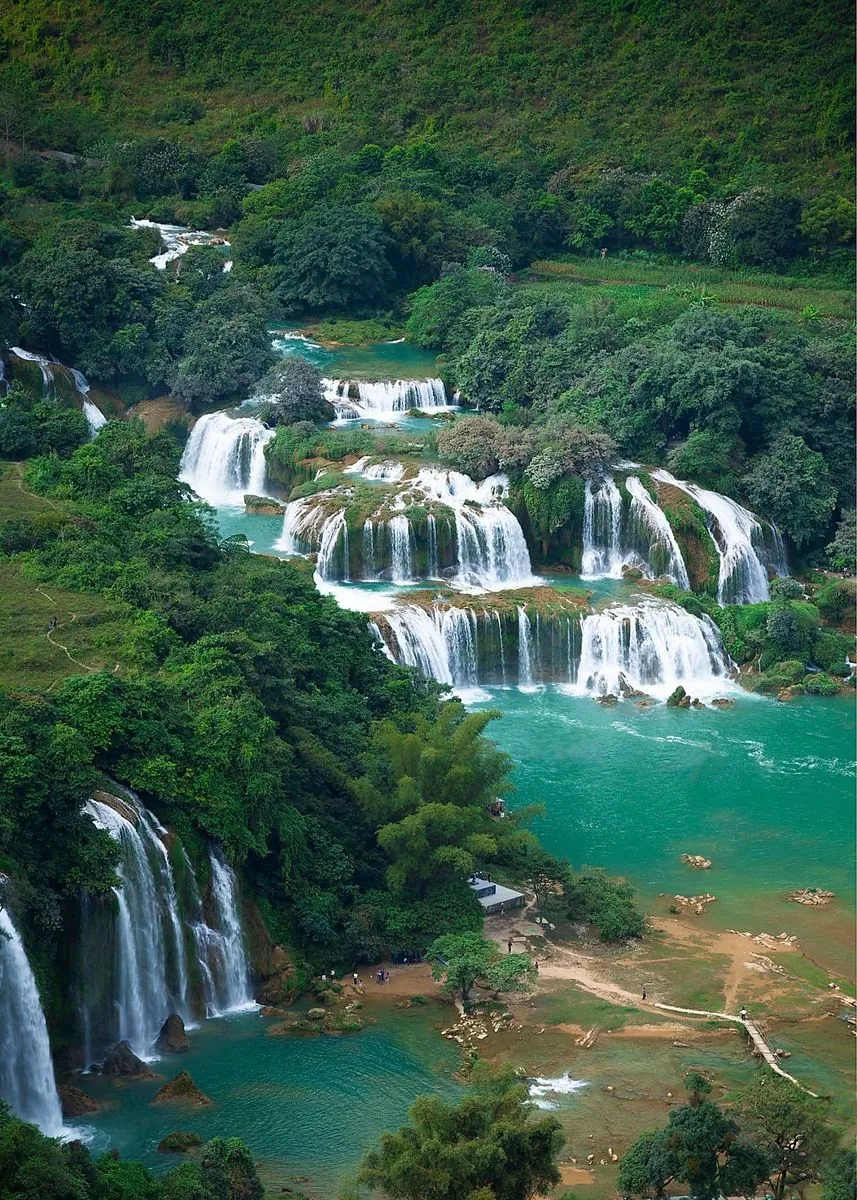
A curtain of water about 300 m wide tumbling over three limestone tiers on the Quay Son River, right on the Vietnam–China border.
Where to go
Majestic nature, the colours of Cao Bang’s ethnic peoples, historic sites and traditional craft villages.
A curtain of water about 300 m wide tumbling over three limestone tiers on the Quay Son River, right on the Vietnam–China border.
 Cave
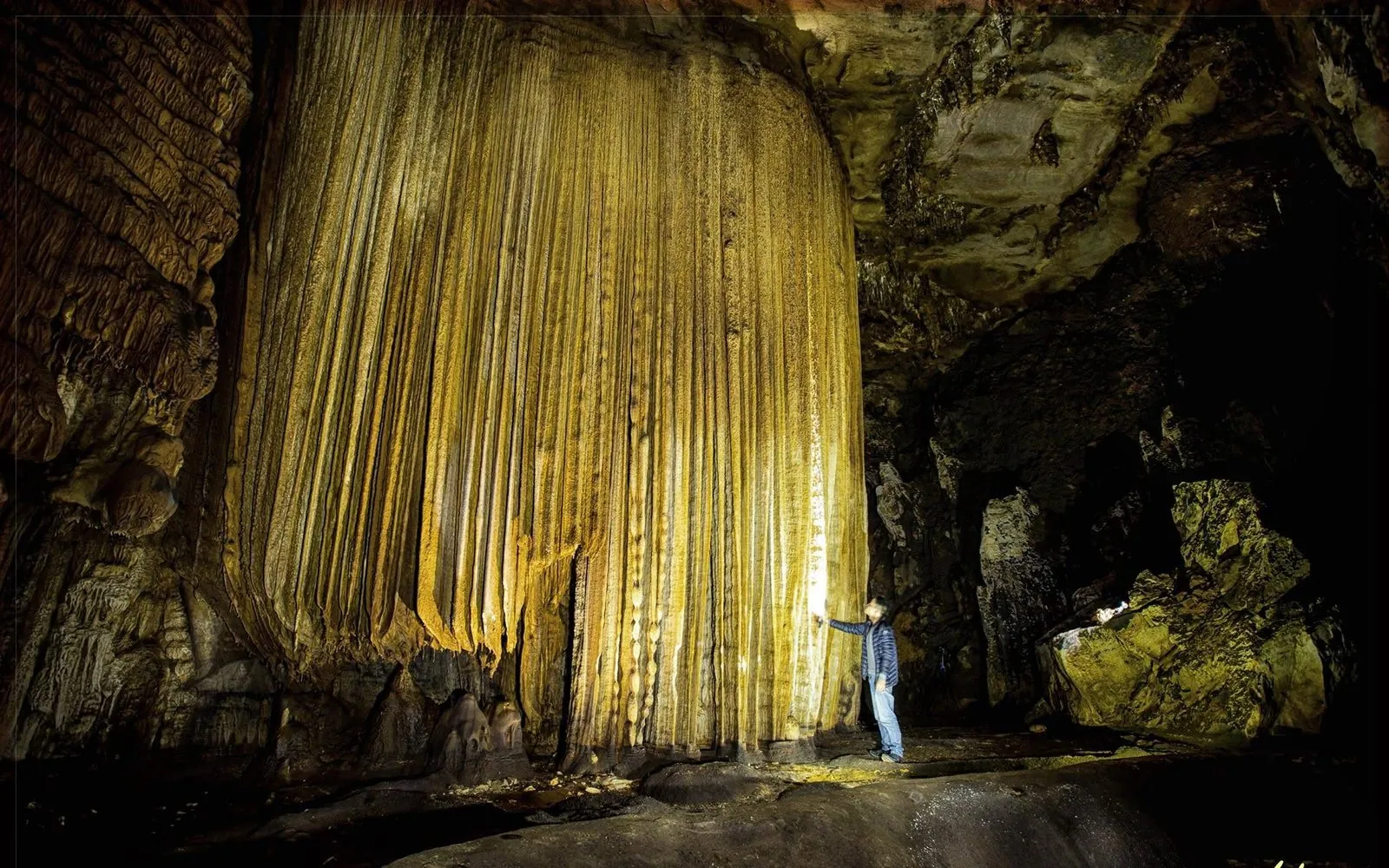
“Tiger cave” in the Tay language: a cave over 2 km long, full of glittering formations, about 3 km from Ban Gioc.
 Geology
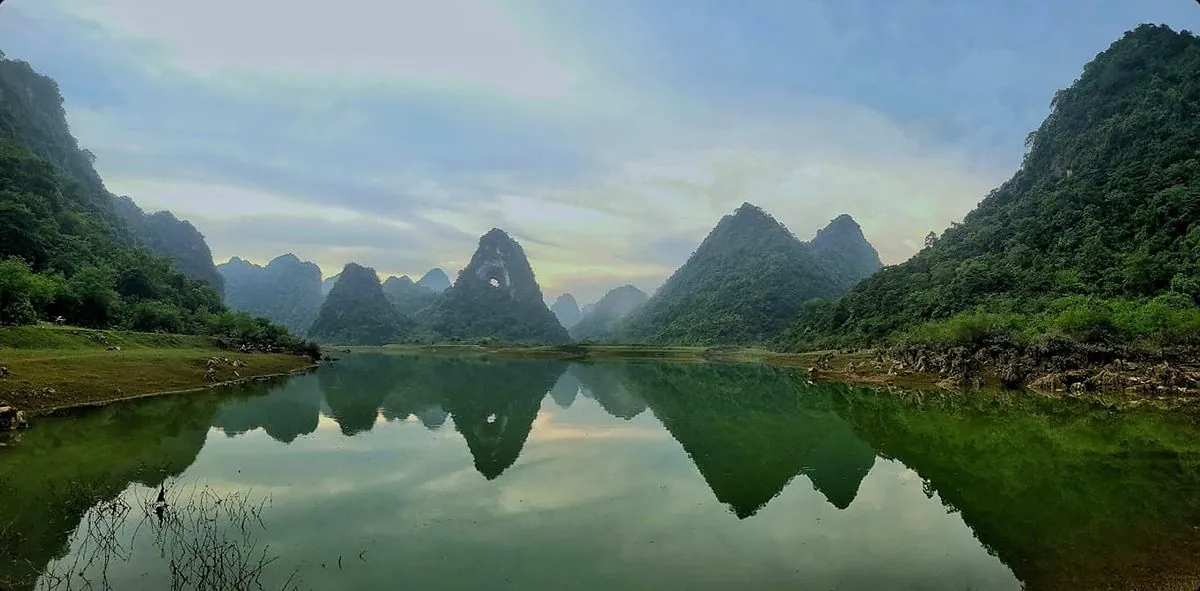
A limestone peak pierced by a round hole more than 50 m across, one of Cao Bang’s signature geosites.
 National park
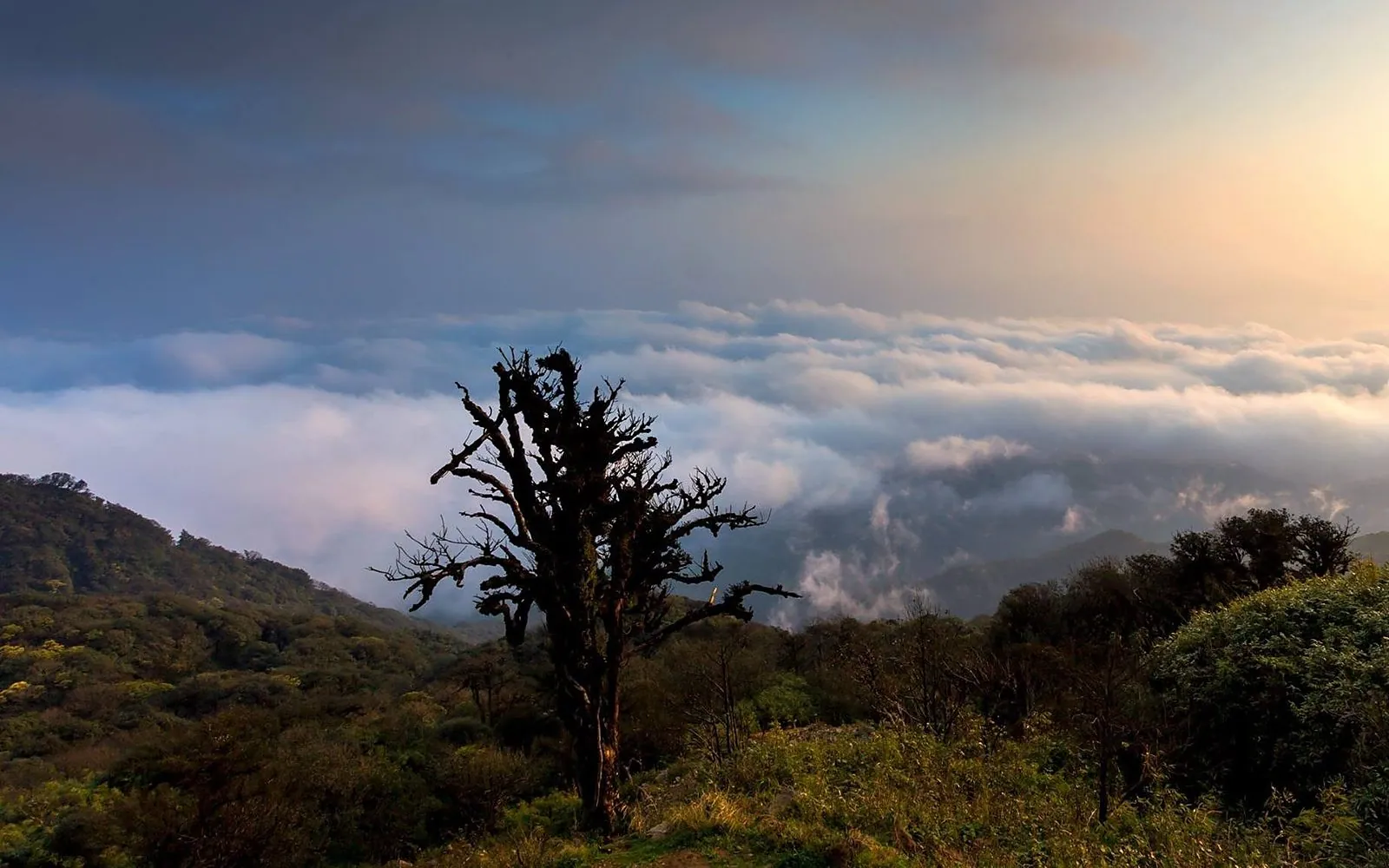
A national park crowned by 1,931 m Phia Oac peak, with primary forest, cool air and Dao paper-making villages.
 Valley
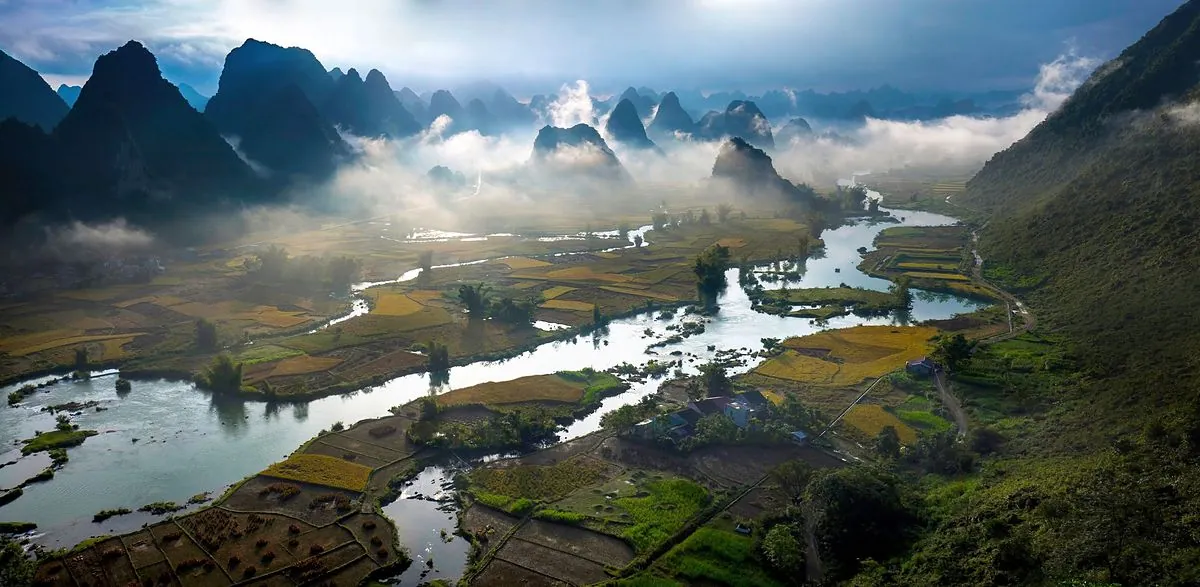
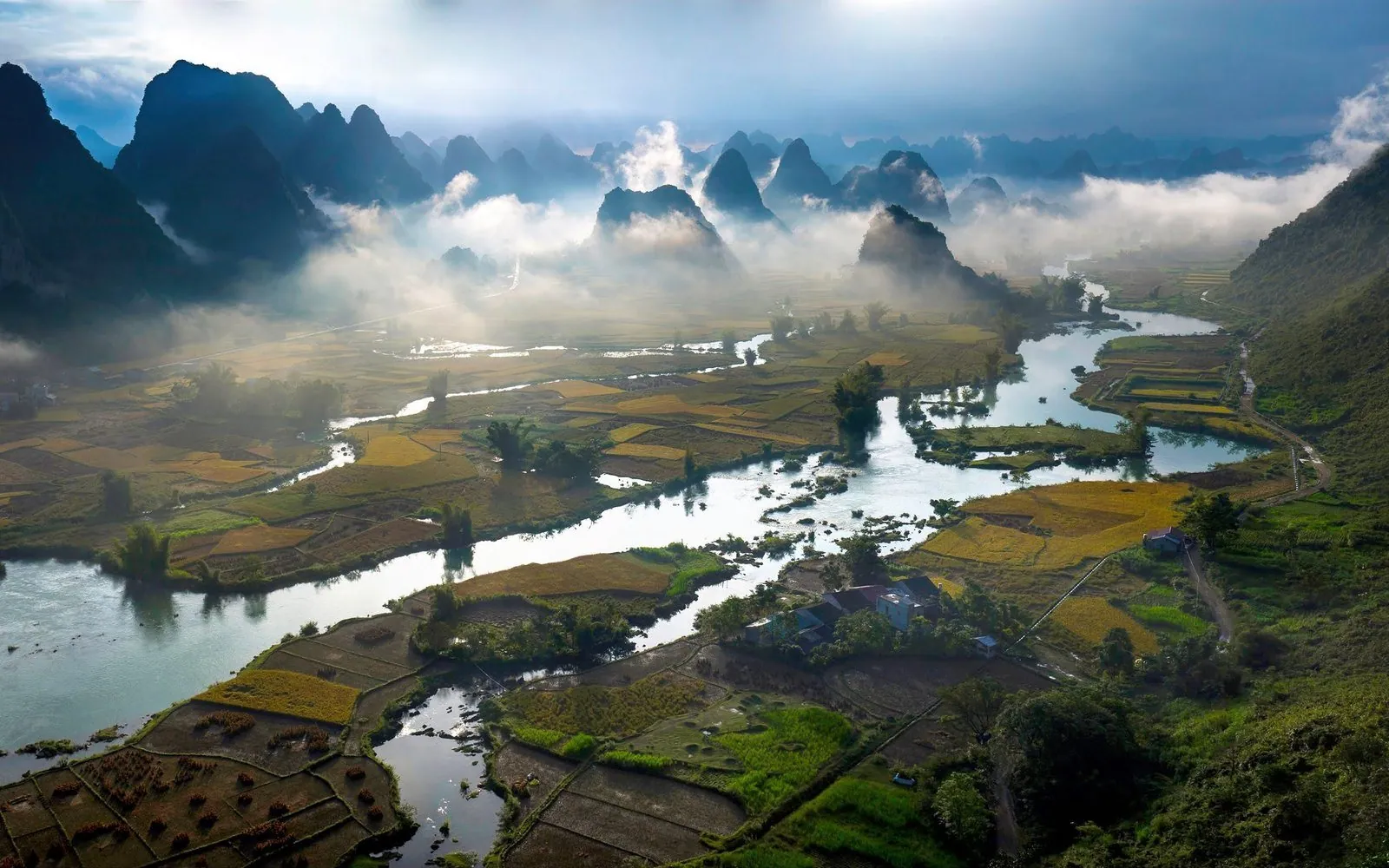
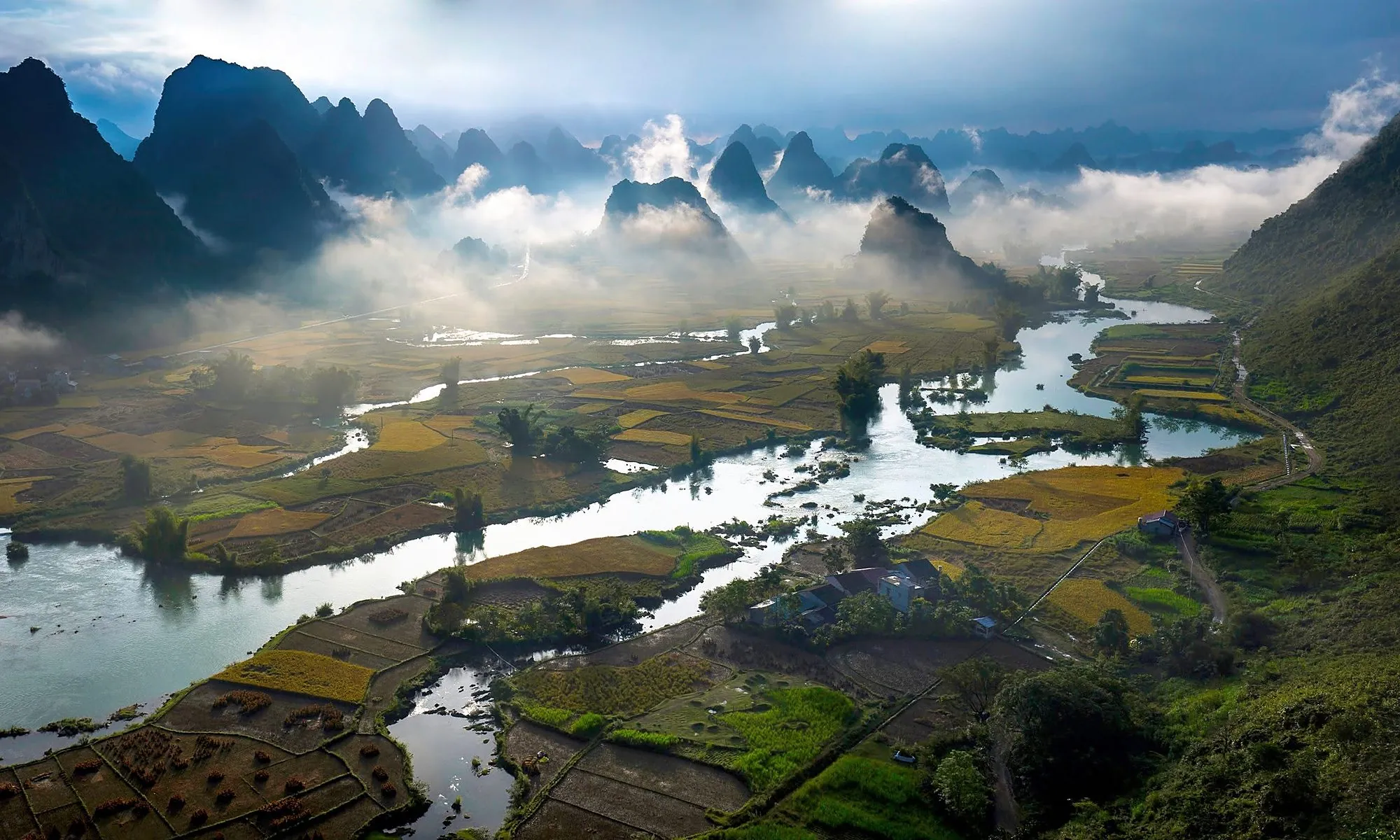
A peaceful rice valley on the Quay Son River, about 26 km from Ban Gioc – the place travellers call “Phong Nam Valley”.
 Forest & wildlife
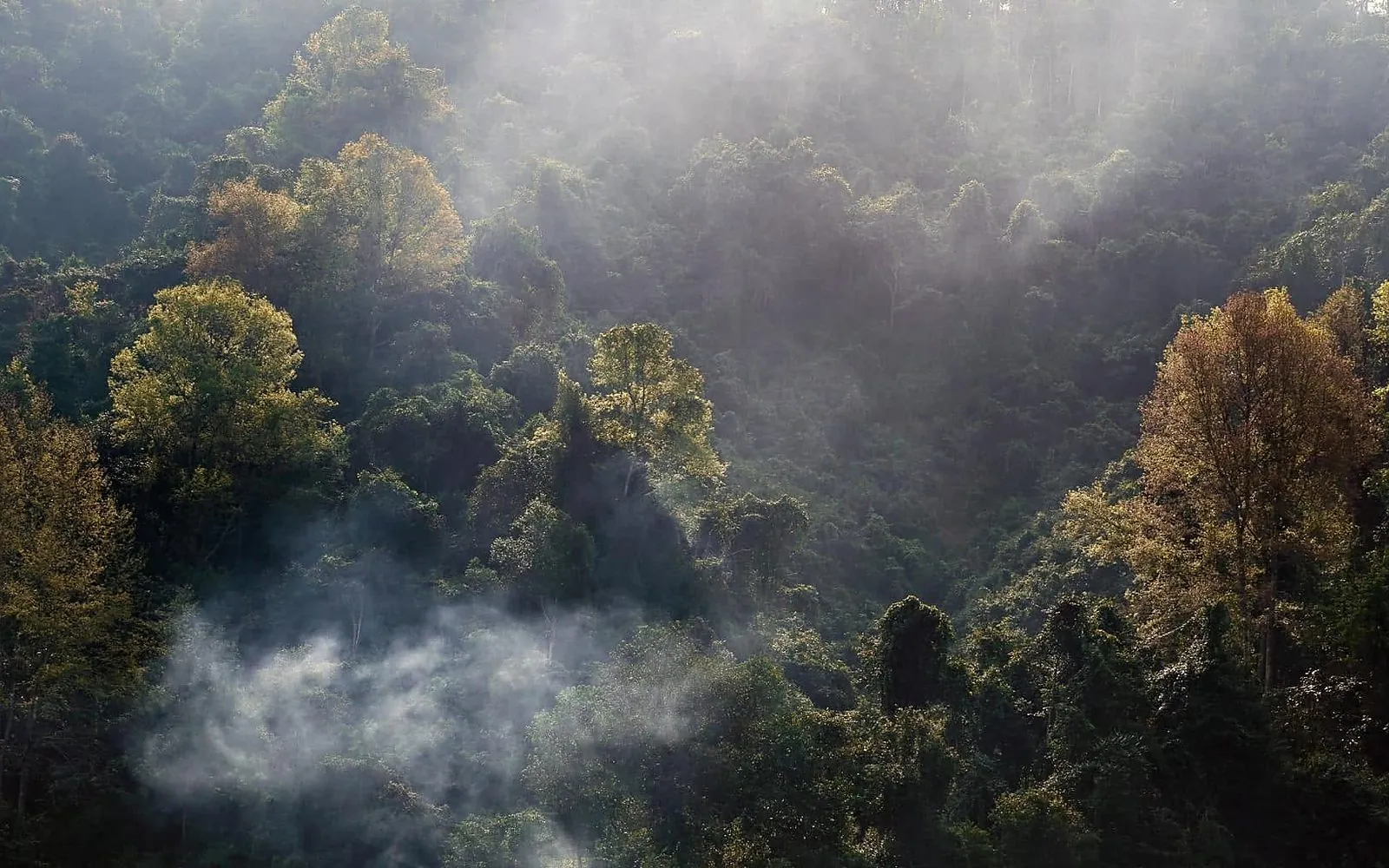
Pristine limestone forest – one of the very few places on Earth where the Cao Vit gibbon survives.
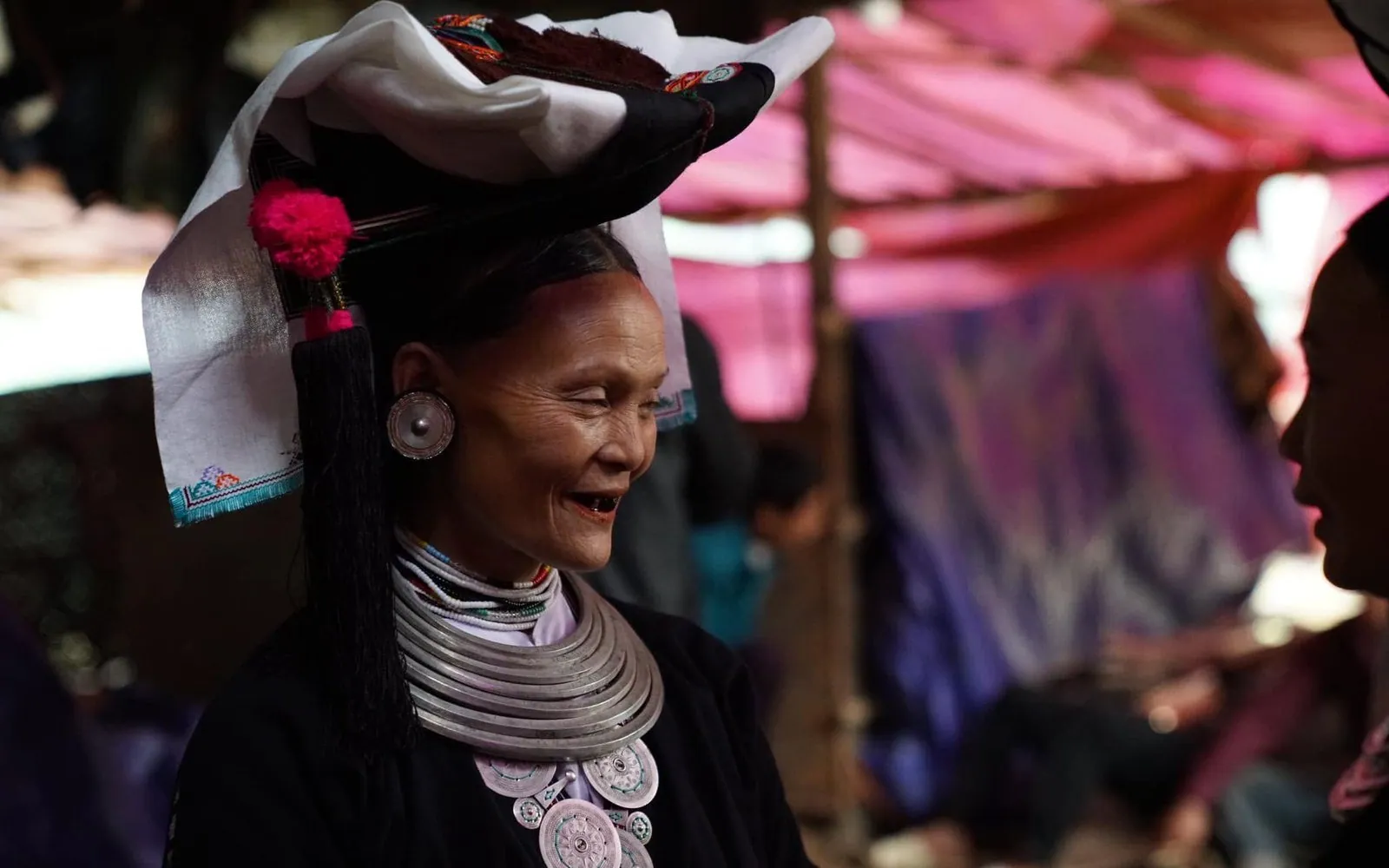 Photo: Bùi Tuấn HùngLiving culture
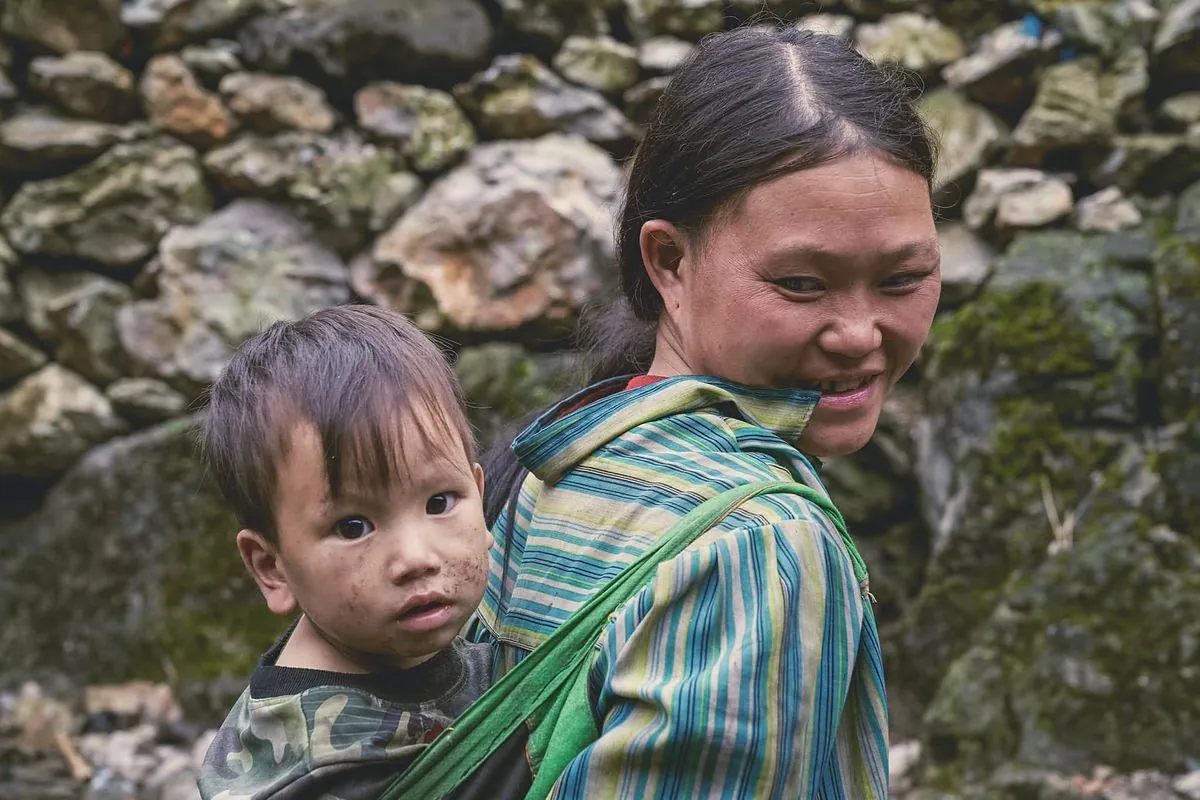
Each people has its own colours, its own songs and its own crafts, woven into Cao Bang’s mountains.
 Historic sites
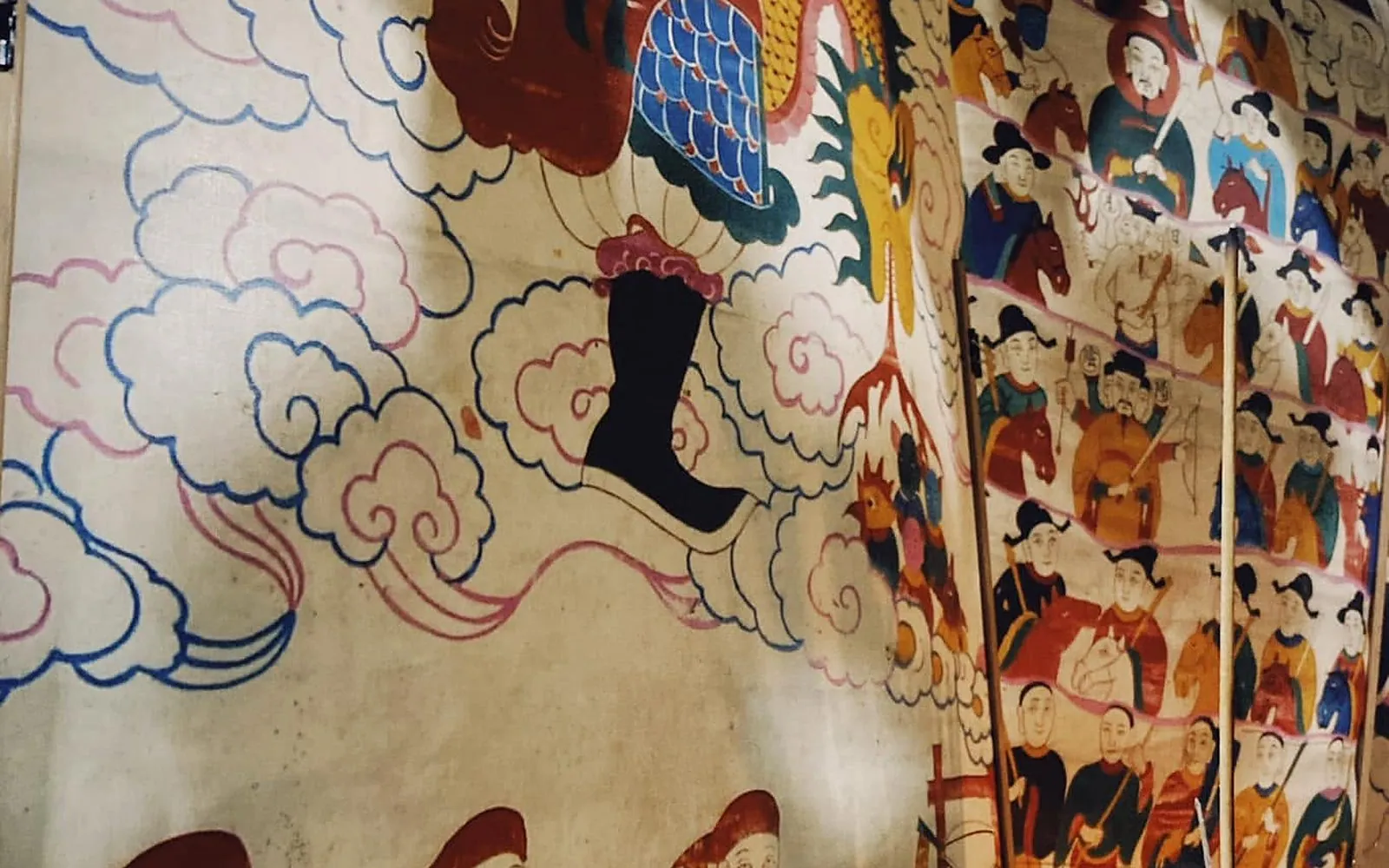
From Pac Bo and Tran Hung Dao Forest to Na Lu Citadel and Ky Sam Temple – landmarks in the history of the borderland.
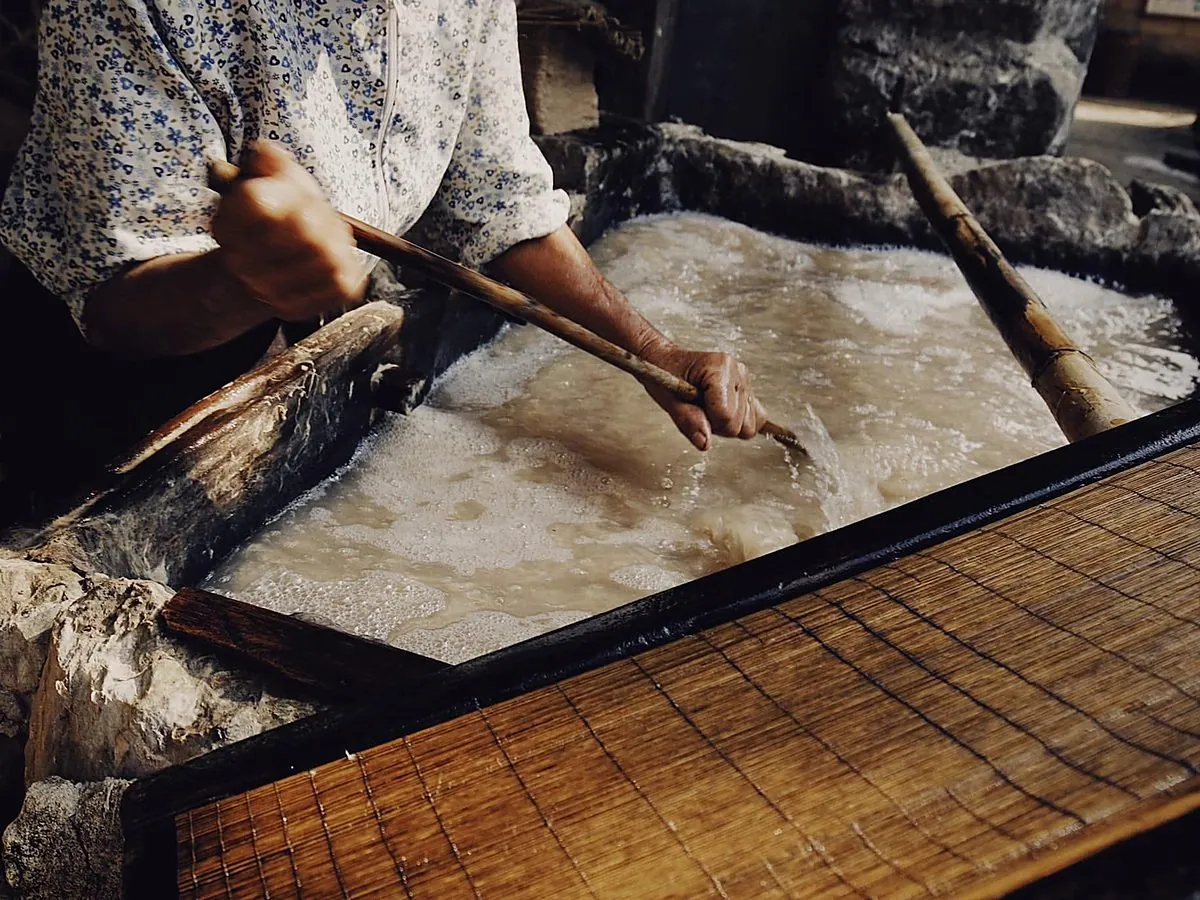
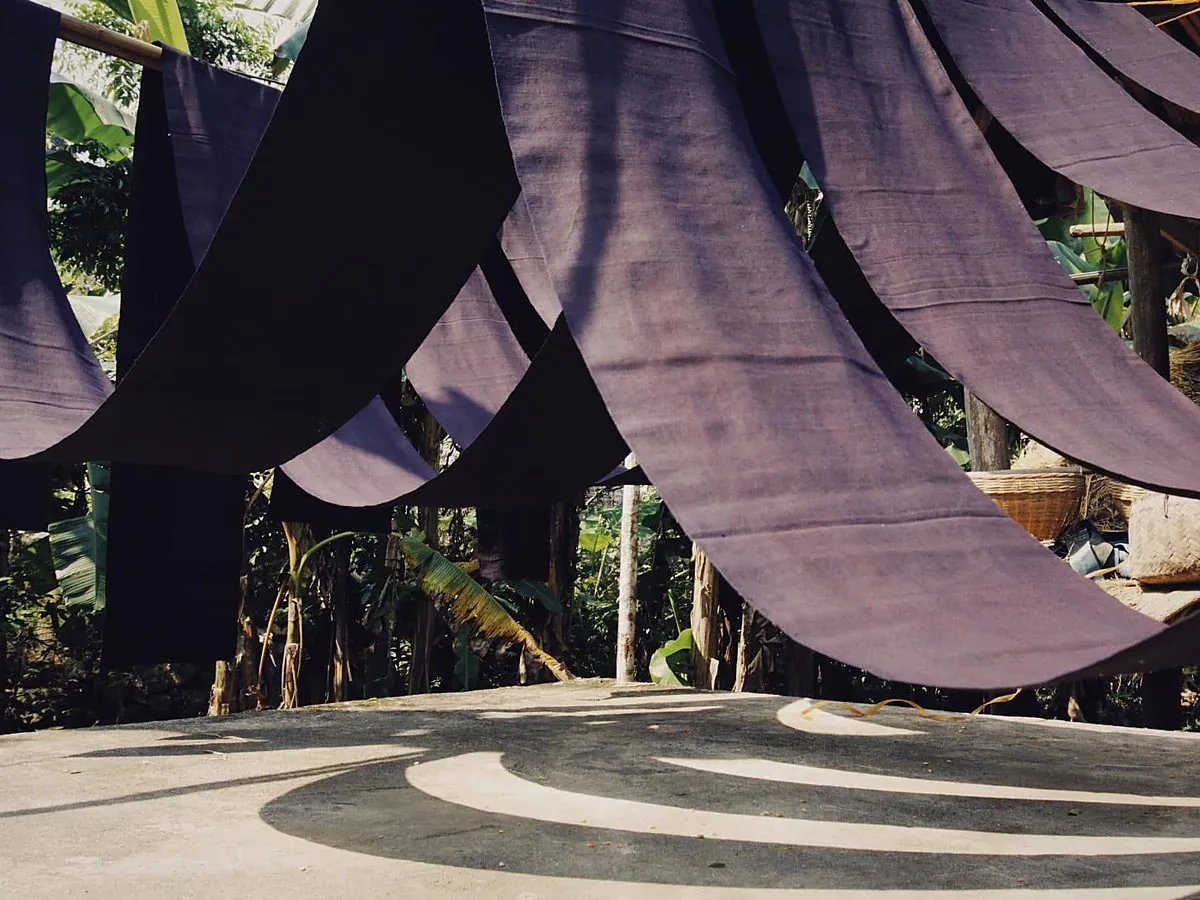
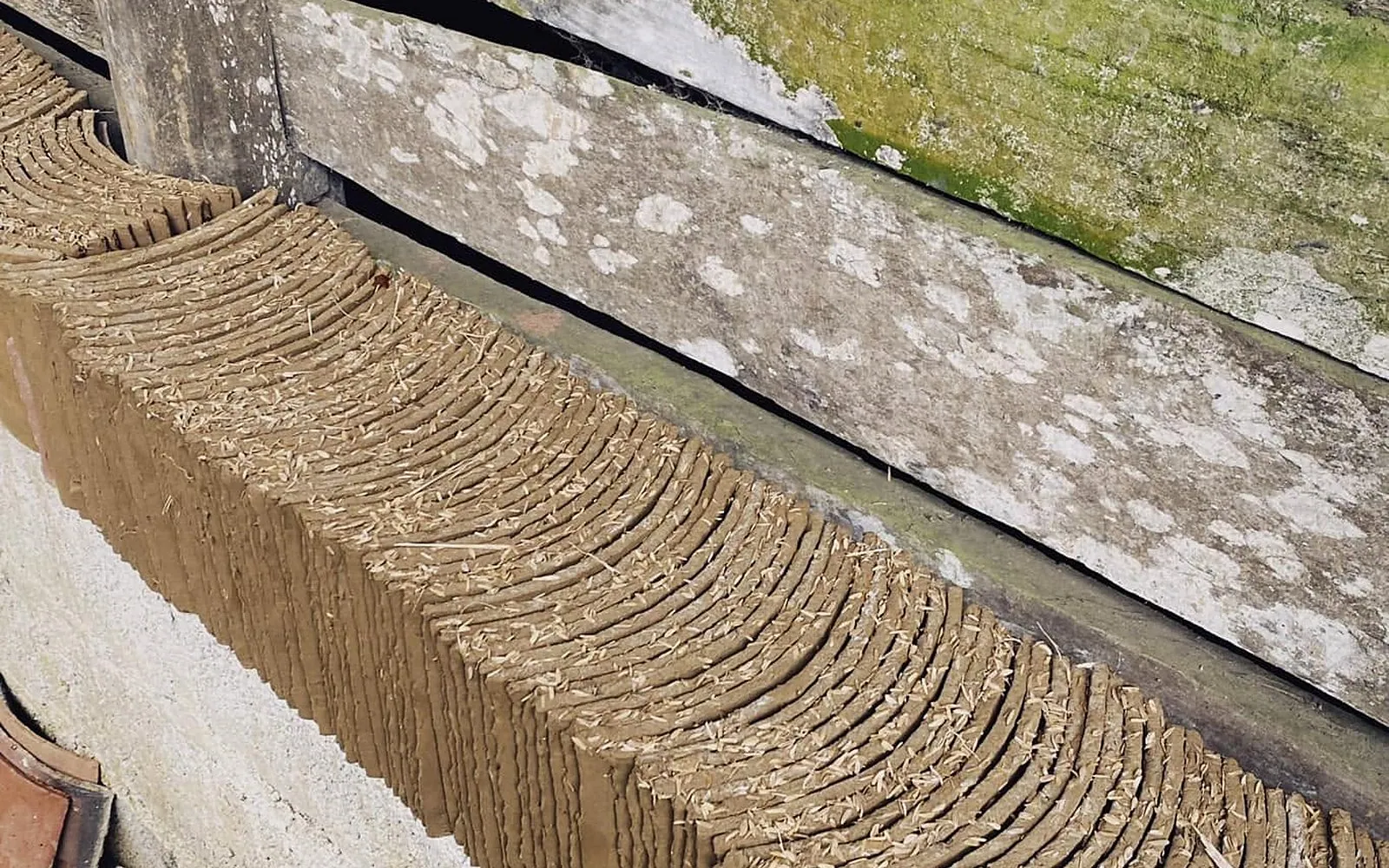
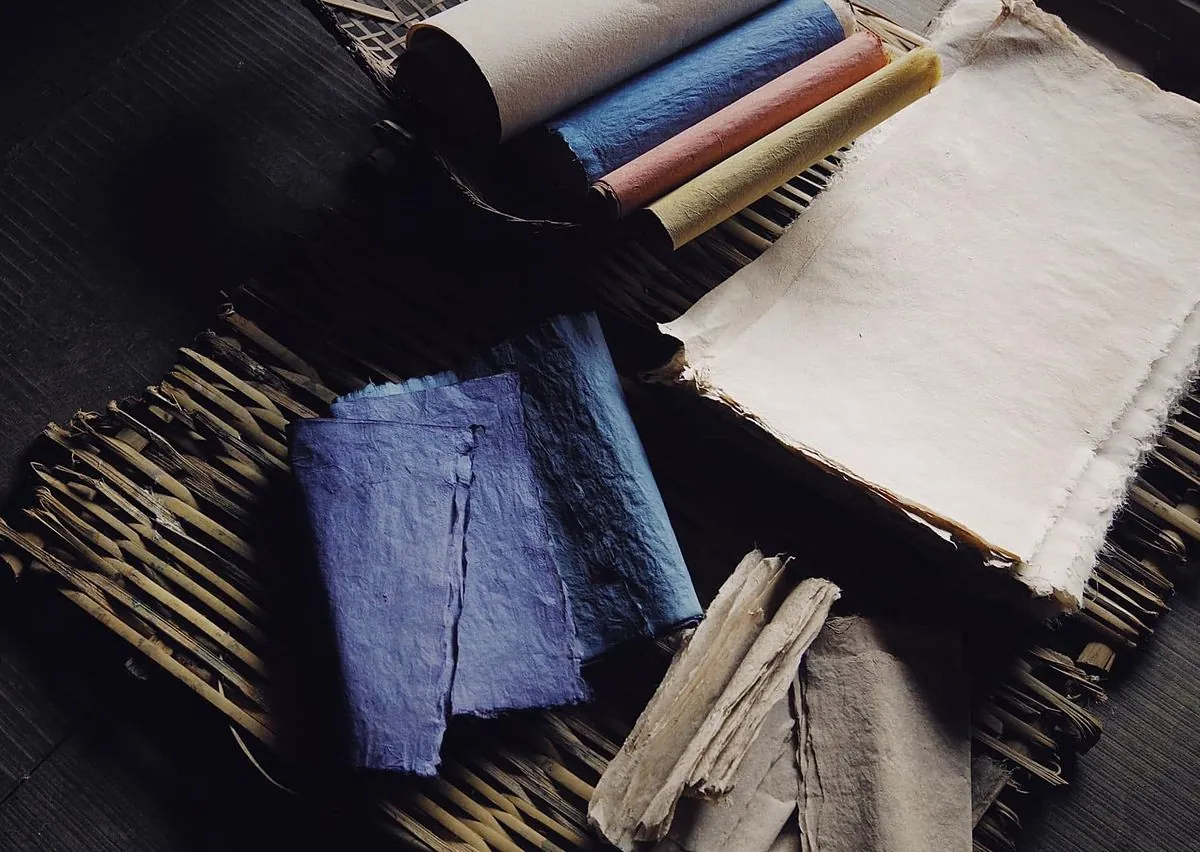
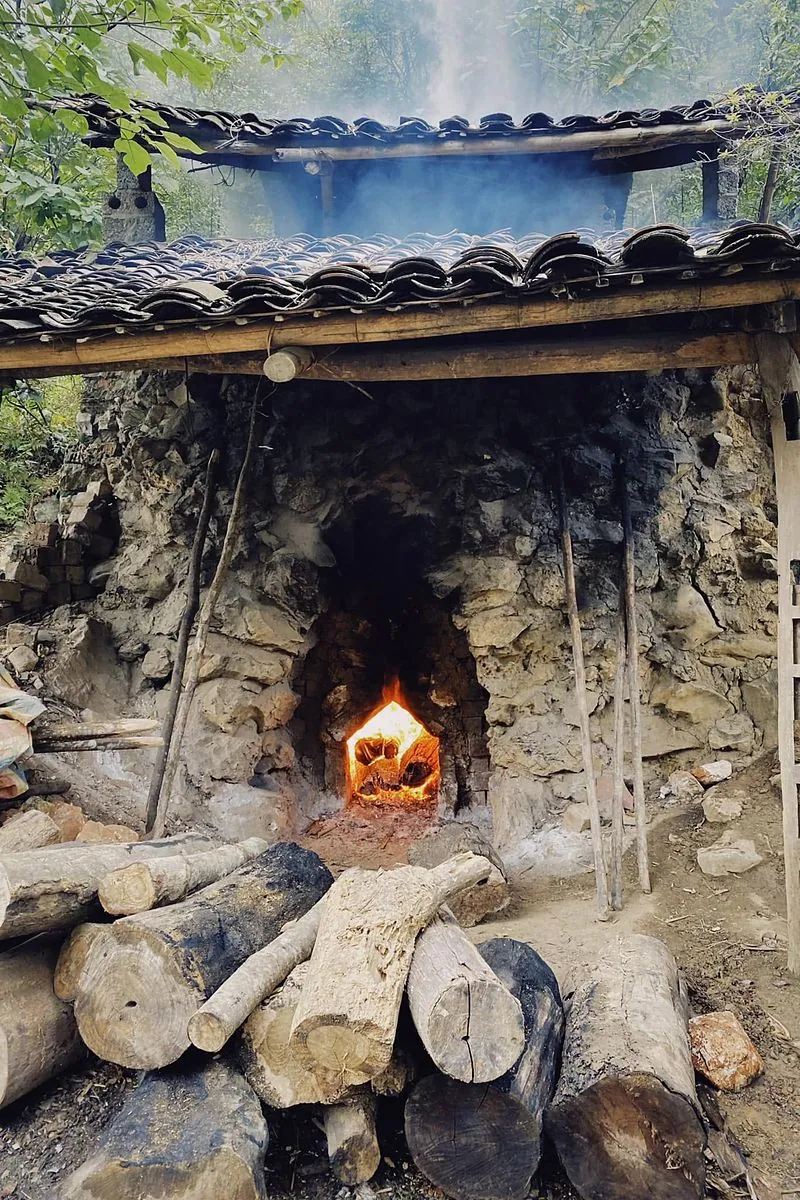
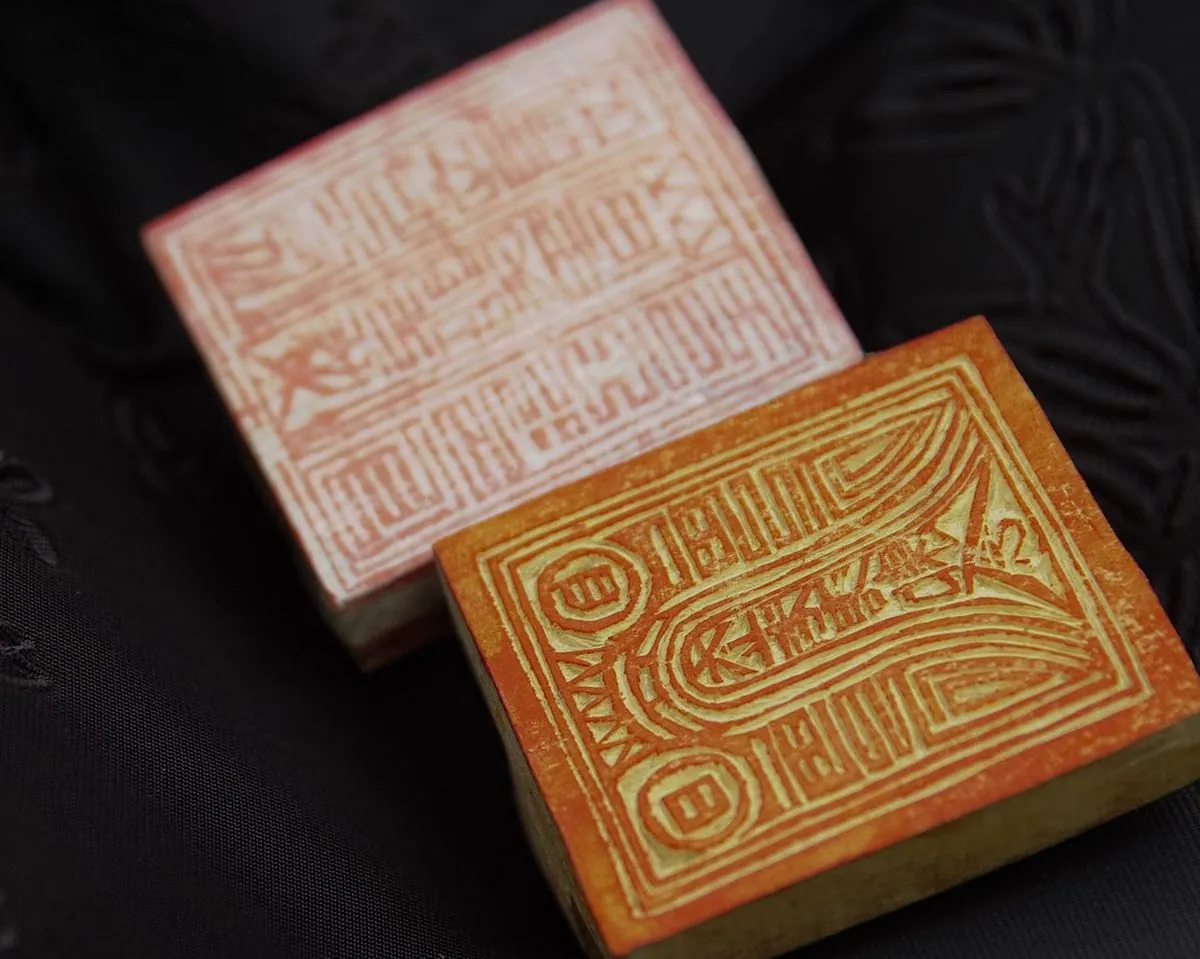
Phuc Sen blades, Phia Thap incense, handmade paper, brocade, silverwork, cane sugar and arrowroot noodles – still made by hand in Tay, Nung, Dao and Hmong homes.
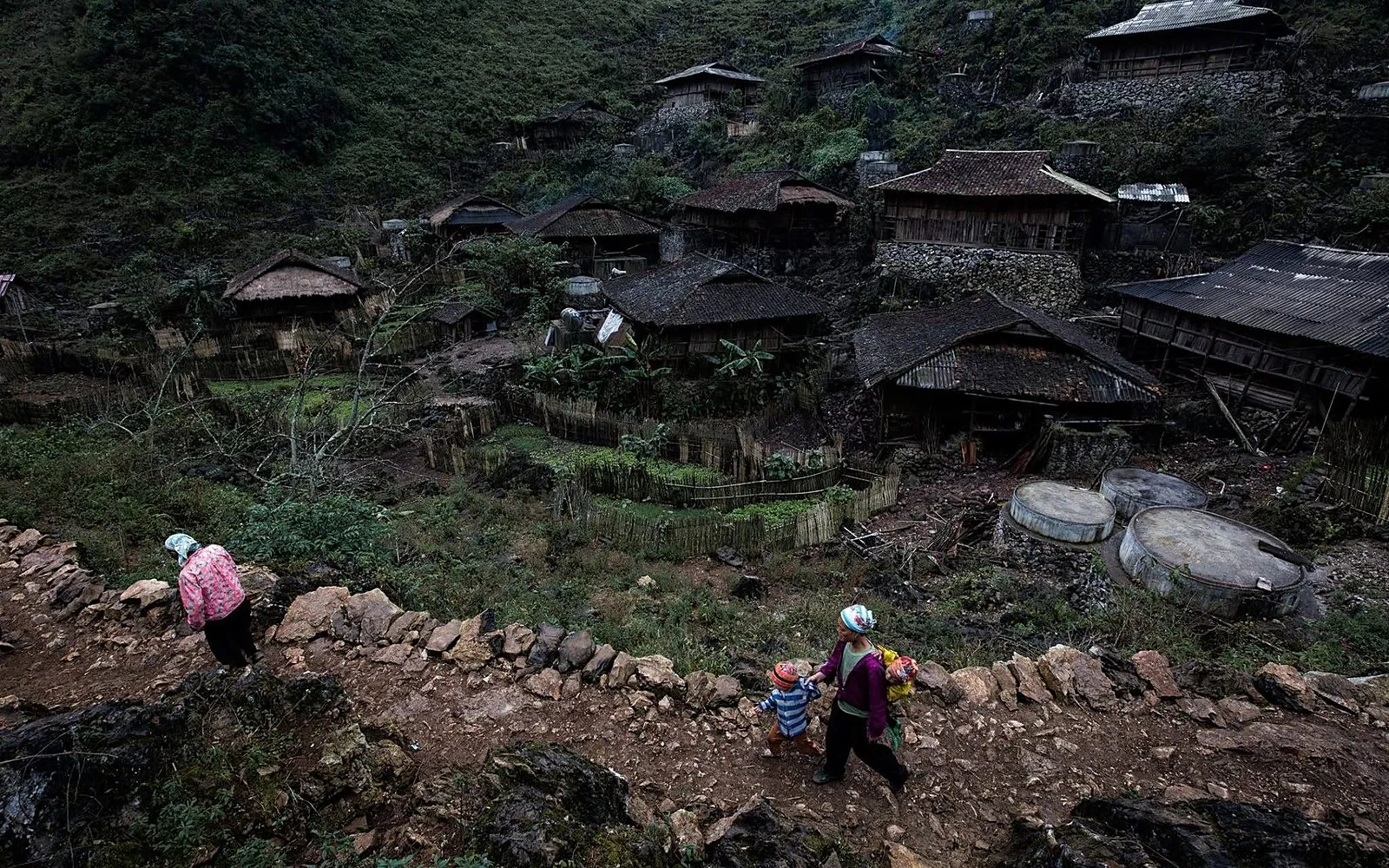
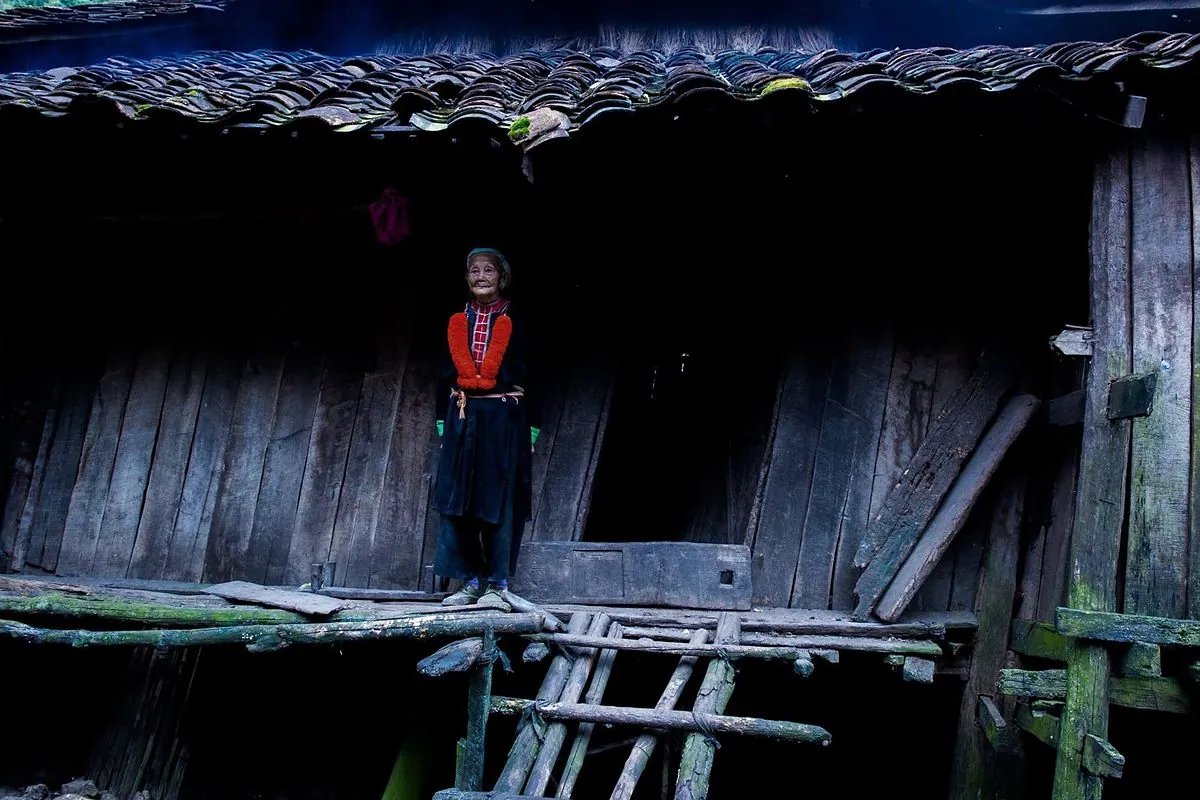
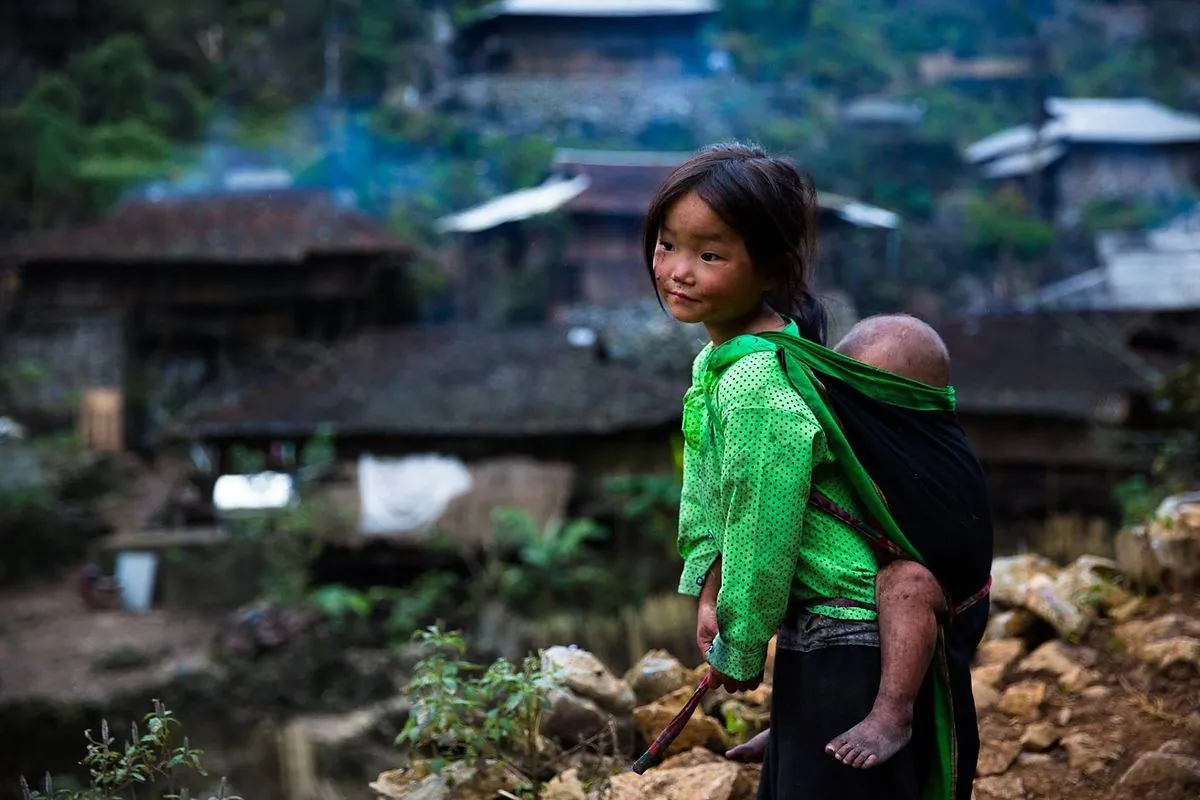
A Tay village of stone stilt houses with yin-yang tiled roofs, on the road from Ban Gioc Waterfall to Nguom Ngao Cave.
 Spiritual site
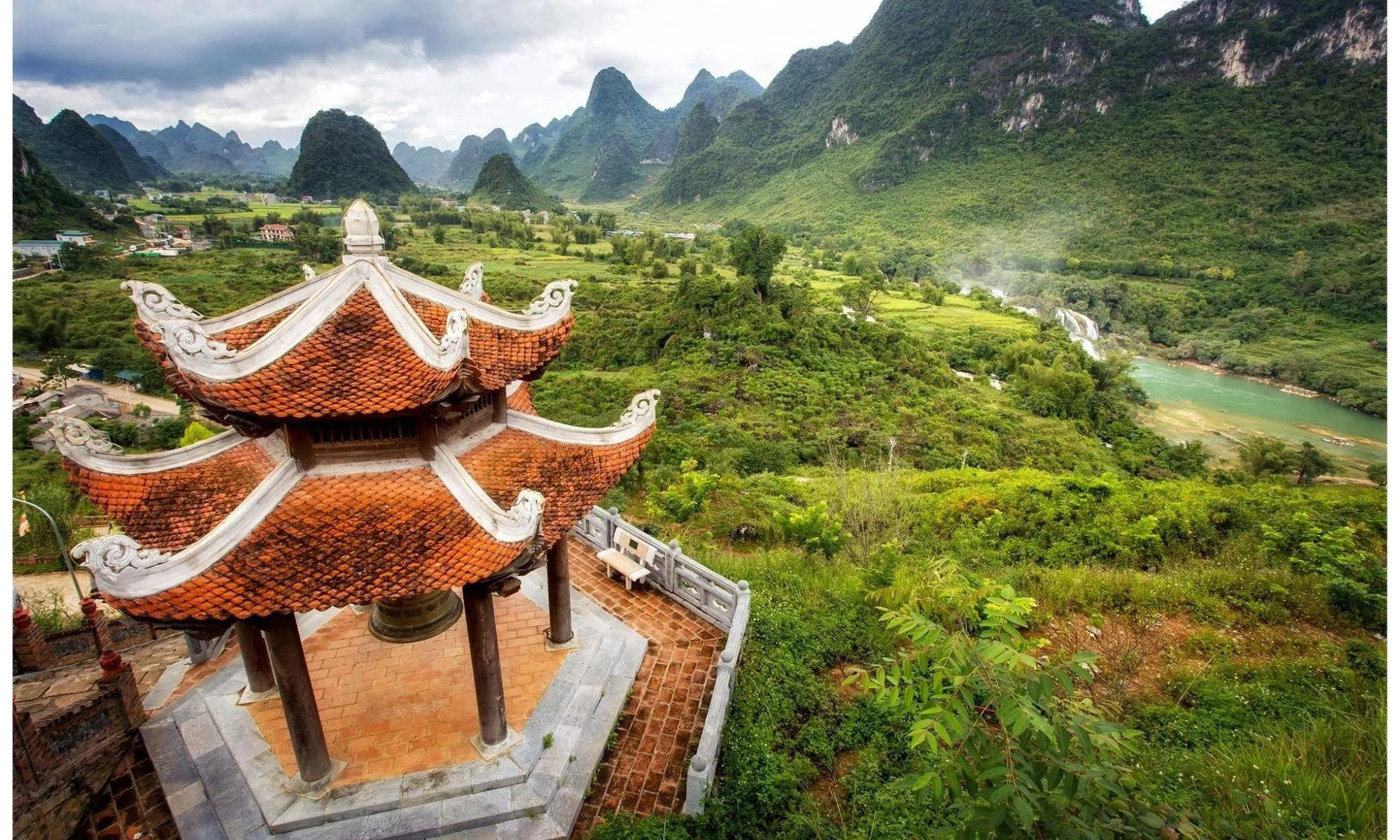
A pagoda on Phia Nhan hill with a panorama of Ban Gioc Waterfall and the Quay Son valley.
Nature
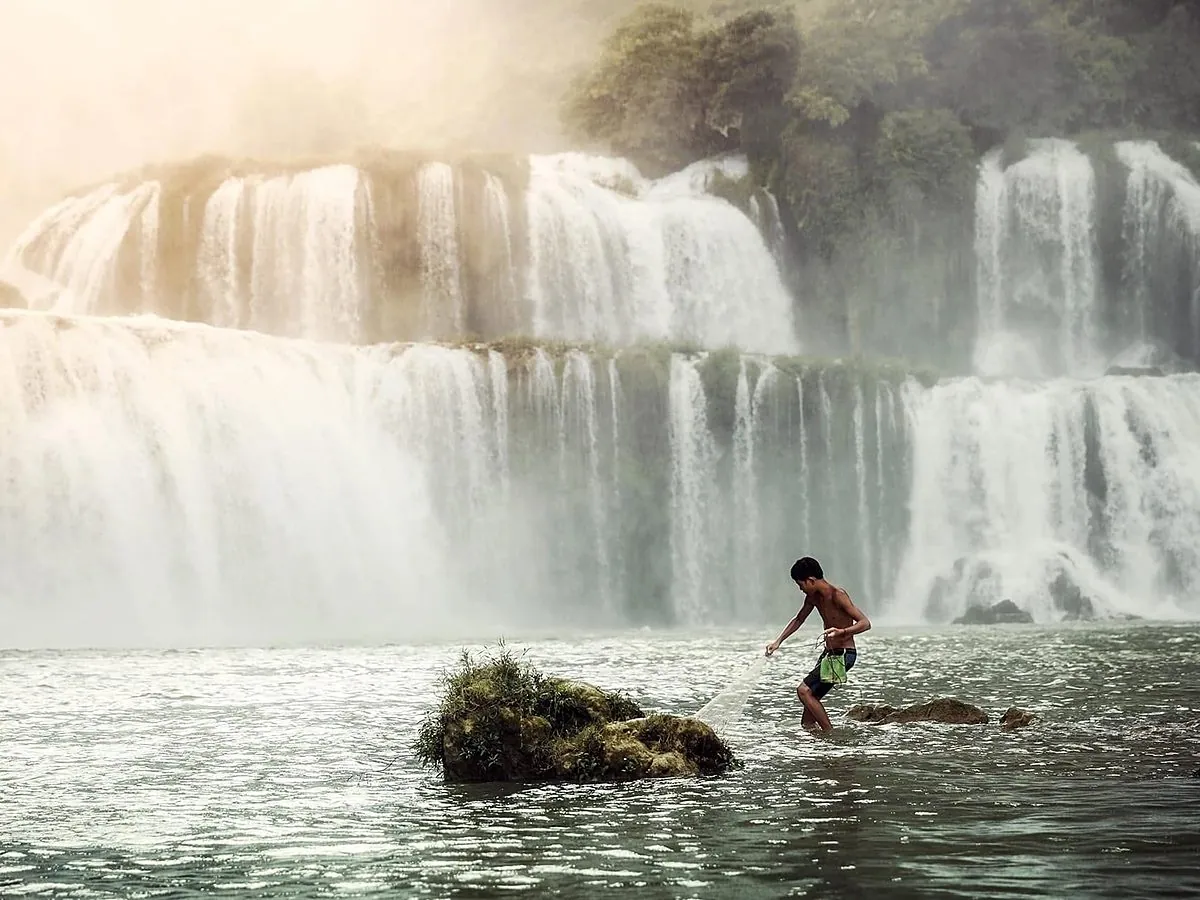
Ban Gioc is the icon of Cao Bang and one of the most beautiful waterfalls in Southeast Asia. The jade-green Quay Son River winds through rice fields before breaking into white cascades. The main fall is about 35 m high over three tiers, and the whole system spans roughly 300 m. Bamboo rafts take you right up to the spray at its base.
Tip: Border area: carry your passport or ID. Arrive before 9 am for soft light and fewer crowds.
Cave
Nguom Ngao means “tiger cave”. The cave runs for more than 2 km; the lit section open to visitors is about 950 m and takes around an hour to walk. Along the way are stalactites and stalagmites shaped over millions of years, with formations nicknamed stone rice terraces, the “silver waterfall” and the “golden tree”. Most visitors pair it with Ban Gioc in a single outing.
Tip: Wear shoes with grip: some sections are damp. The cave stays cool all year.
Geology
Locals call it Nui Thung, the “pierced mountain”. Near its summit is a round “eye” more than 50 m in diameter, open to the sky, carved by millions of years of weathering and rock collapse. In late afternoon, sunlight streams through the hole for an unforgettable frame.
Tip: A trail climbs up to the “eye”; go with a local guide.
National park
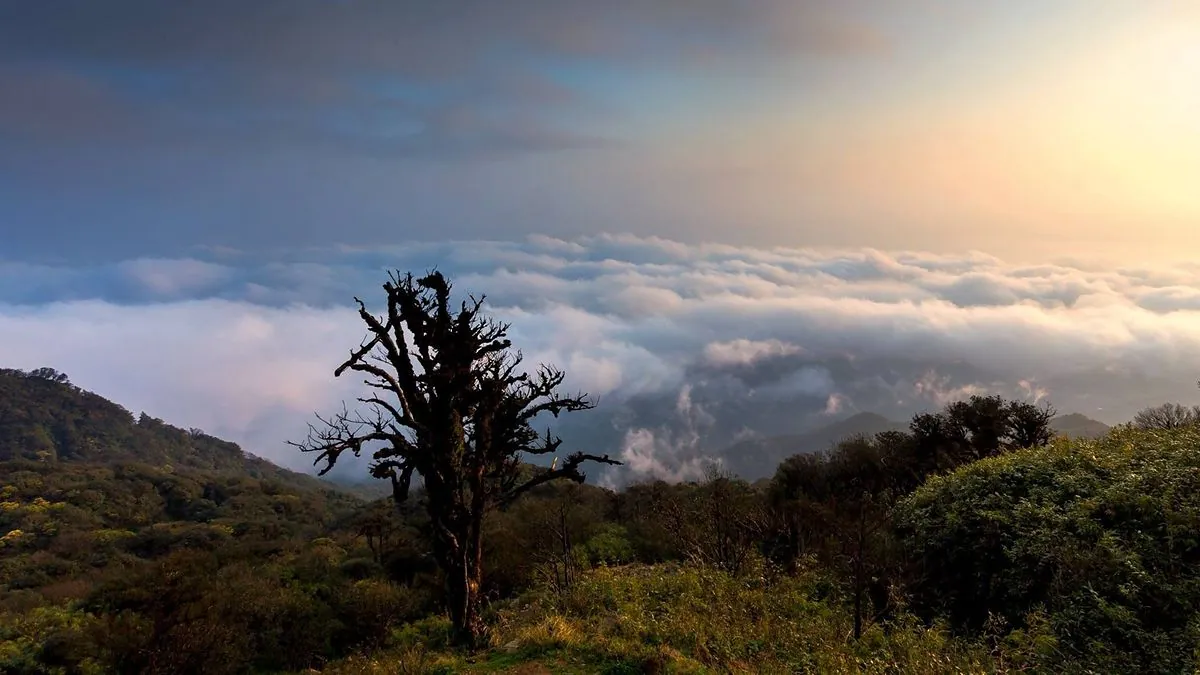
Phia Oac is the highest peak in Cao Bang and is often wrapped in cloud. In deep cold snaps, frost can coat the summit. The park shelters primary forest, streams and waterfalls, as well as Dao Tien villages known for handmade paper and embroidery.
Tip: The summit is much colder than the lowlands; bring warm layers and a rain jacket.
Valley
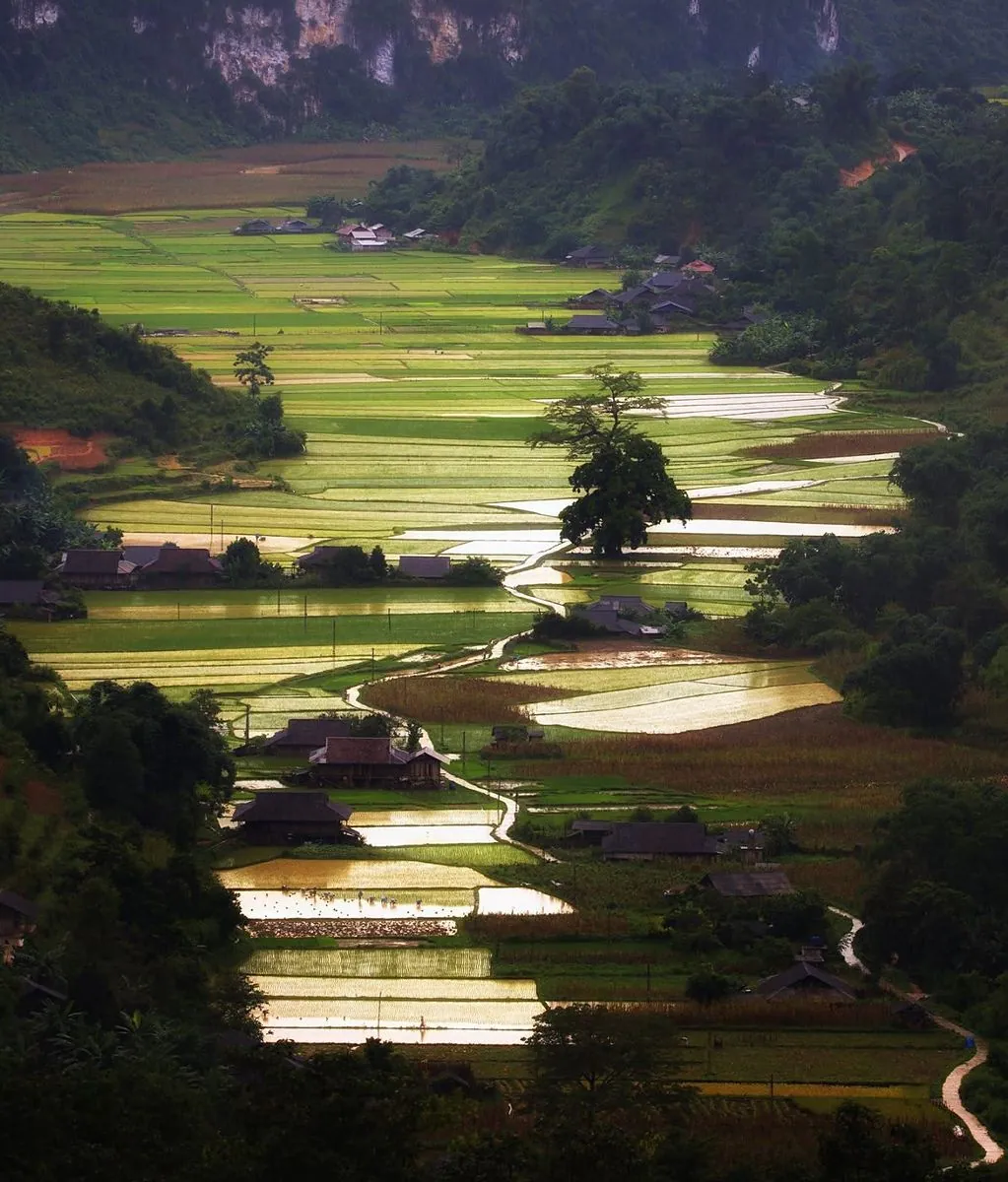
Upstream of Ban Gioc along the Quay Son River, Phong Nam and Ngoc Con are two valleys strung between limestone peaks: low rice terraces, Tay villages, buffalo and horses grazing by the water. It is still quiet and slow here, with farming life fully intact. From the Pi Pha (Phi Pha) viewpoint on the hillside the whole valley opens up around the winding river – best at a misty sunrise and during the golden rice season in September – October.
Tip: There are almost no restaurants and no ATMs in the valley: eat breakfast before you go, bring enough cash and download offline maps. This is a border area: carry your passport and do not fly drones.
Forest & wildlife
Next to Ngoc Con – Phong Nam lies the Cao Vit Gibbon Species and Habitat Conservation Area: pristine karst forest that is home to the Cao Vit gibbon, one of the rarest primates in the world, once thought extinct until it was rediscovered in 2002. On an early morning, with luck, you may hear the gibbons’ song echoing across the forest.
Tip: The gibbon forest is strictly protected: enter only with a ranger or local guide, keep quiet and never feed wildlife.
Photo: Bùi Tuấn HùngLiving culture
Cao Bang is home to the Tay, Nung, Hmong, Dao, San Chay, Lo Lo and more, each with a character of its own: the tinh lute and Then singing of the Tay and Nung; indigo clothes, blacksmithing and incense-making among the Nung; pleated skirts and the khen pipes of the Hmong; indigo dyeing and silverwork of the Dao Tien; the vivid appliqué costumes of Lo Lo women. Here, culture is not kept in a museum – it lives in the houses, the market days and the family table.
Historic sites
Cao Bang is a land rich in historical, cultural and revolutionary tradition. Below are its best-known and most representative historic sites, grouped by period.
Significance: Where President Ho Chi Minh returned to Vietnam in 1941, after 30 years abroad seeking a path to national liberation, to lead the Vietnamese revolution in person.
Highlights: Coc Bo Cave, Lenin Stream, Karl Marx Mountain, Uncle Ho’s stone desk and the Khuoi Nam hut.
Significance: Birthplace of the Vietnam Propaganda Liberation Army (22 December 1944) – forerunner of today’s Vietnam People’s Army – commanded by General Vo Nguyen Giap.
Related sites: Phai Khat Post and Na Ngan Post.
Significance: Marks a key victory of the 1950 Autumn–Winter Border Campaign – the only campaign in which President Ho Chi Minh went to the front himself, directing and observing the fighting from the top of Bao Dong Mountain.
Key sites: The Dong Khe stronghold complex and the Bao Dong Mountain observation post.
Significance: Honours the young hero Kim Dong (Nong Van Den), first leader of the Children’s National Salvation Corps (today the Ho Chi Minh Young Pioneers).
Significance: Na Lu was a political and military centre through many dynasties, from the Ly–Tran to the Mac. In the 16th century the Mac chose it to build ramparts and strong posts against the Le–Trinh forces.
Significance: An ancient temple on a raised mound in the old land of Cao Binh, dedicated to the kings of the Le dynasty and marking the era of the Le restoration.
Significance: Dedicated to Khau Sam Dai Vuong Nung Tri Cao, an 11th-century Tay hero who drove back the Song invaders and developed the border lands.
Significance: An ancient pagoda built in the Mac era (16th century), known for its old bronze bell weighing several tonnes and the Da Quan Pagoda festival in early spring.
Craft villages
Cao Bang is famous not only for its majestic landscapes but also as the keeper of many long-established craft villages, rich in the cultural identity of the Tay, Nung, Dao and Hmong peoples.
Features: One of the most renowned hand-forging villages in northern Vietnam, with a history of several hundred years, kept alive by the Nung An people.
Products: Knives, scissors and high-quality farm tools, famed for their sharpness and durability thanks to a steel-tempering technique handed down through generations.
Features: The Nung An make clean incense here entirely from natural materials: may sla bark, bau hat leaves, aged pine wood and bamboo sticks.
Experience: Visitors can admire round bundles of incense fanned out to dry across the yards and try making incense by hand.
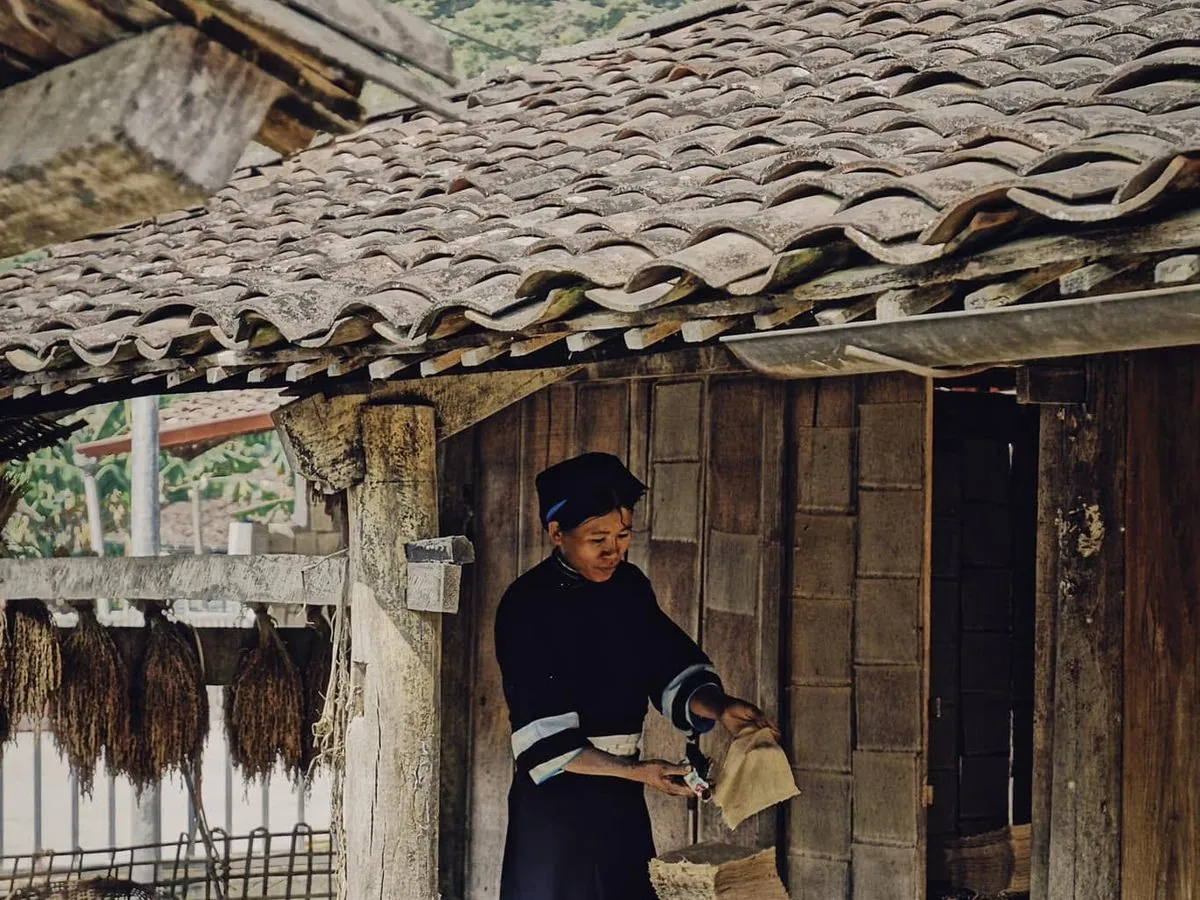
Features: A long-standing craft of making paper by hand from the bark of the may sla tree.
Products: Soft, strong and durable giay ban paper, used for writing, ritual books, paper flowers and traditional spiritual ceremonies.
Features: Traditional brick-making and firing of curved “yin-yang” roof tiles for the tiled stilt houses of the Tay and Nung.
Features: Fine handmade silver jewellery for traditional dress and ritual.
Products: Necklaces, bracelets, chatelaines and earrings with meticulously engraved patterns.
Features: A unique craft in which melted beeswax is used to draw patterns on linen before indigo dyeing.
Features: Pattern weaving by Tay women on traditional wooden looms.
Products: Blankets, pillow covers, scarves and brocade bags with lively geometric and animal motifs.
Features: Fresh sugarcane juice is boiled down by hand into sugar, in full swing around the 11th lunar month.
Products: Golden, fragrant slabs of duong phen – an essential ingredient in Cao Bang’s banh khao and banh gai cakes.
Features: Vermicelli made from 100% red arrowroot grown in the high mountains and dried naturally in the sun and wind.
Products: Phia Den vermicelli is famously chewy and tasty, and holds its shape even after long cooking.
Village
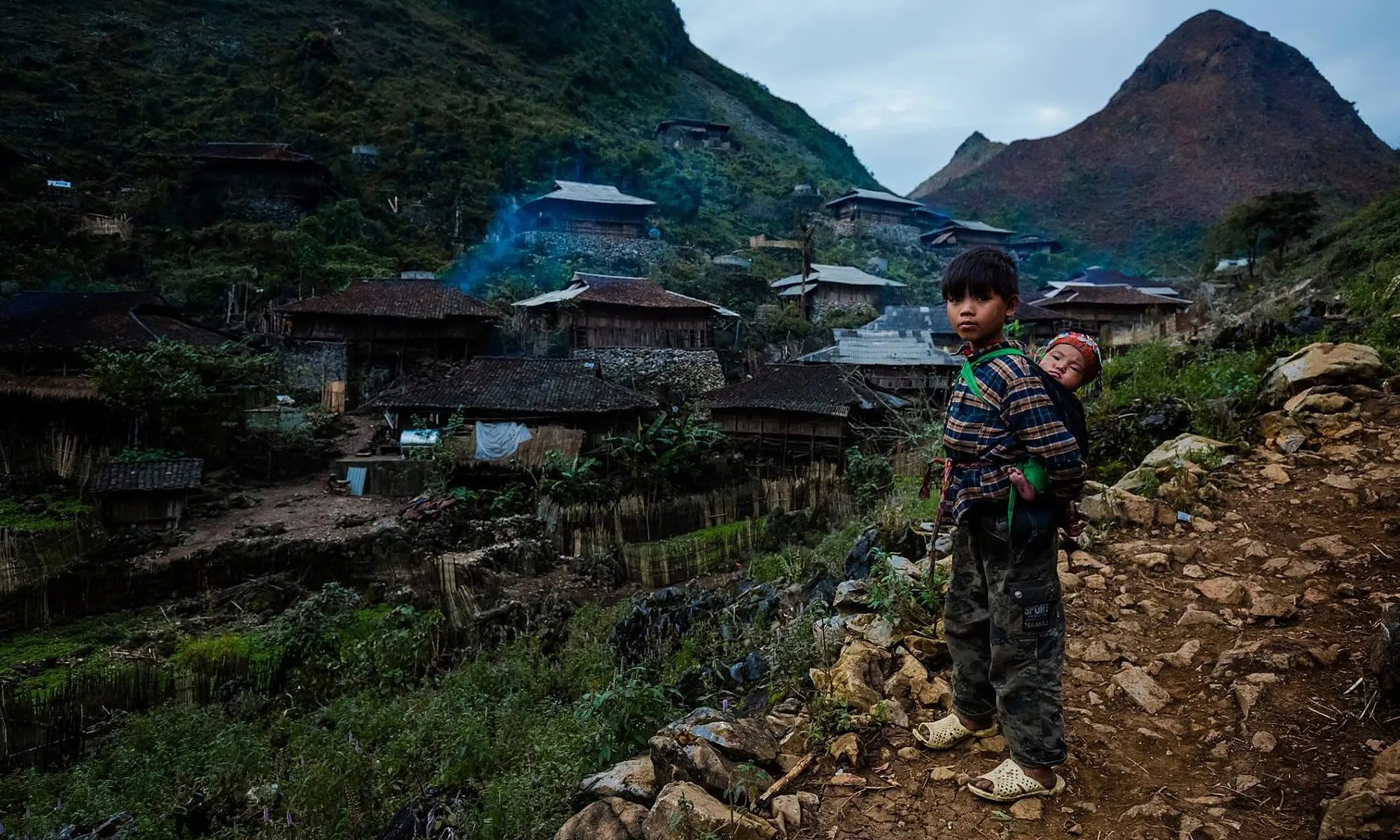
Khuoi Ky, in Dam Thuy commune, has 14 stone stilt houses backed by the mountain and facing the Khuoi Ky stream. Stone is used for walls, foundations, pillar bases, fences, mills and stoves – linked to the stone worship of the Tay of Trung Khanh – in a style said to date from the Mac period. Visitors can taste Tay food, watch bamboo dancing, hear Then singing and the tinh lute, and try rice planting, firewood gathering and stream fishing; several families run homestays.
Tip: Stay a night so you can reach Ban Gioc early in the morning, before the day-trippers arrive.
Spiritual site
Built on Phia Nhan hill near Ban Gioc Waterfall, this was the first pagoda on this frontier, in traditional Buddhist style. The climb is short but steep; the courtyard looks over the falls, the Quay Son River, rice fields and karst peaks. Most visitors combine it with the falls on the same day.
Tip: Dress modestly in the pagoda and bring water – the path up is steep.

Four discovery routes
1 – 7 day trips, 7 travel styles
Five places to stay
Rafting, trekking, markets
Newsletter
Upcoming festivals, seasons and new trip ideas, straight to your inbox.
Open a topic, then tap a question to ask the assistant.
Answers may be incomplete; please check official information before you travel.