 2 days, 1 night
Ban Gioc, Phong Nam & Ngoc Con
First time in Cao Bang and want Ban Gioc plus Phong Nam Valley without rushing.
Destination guide
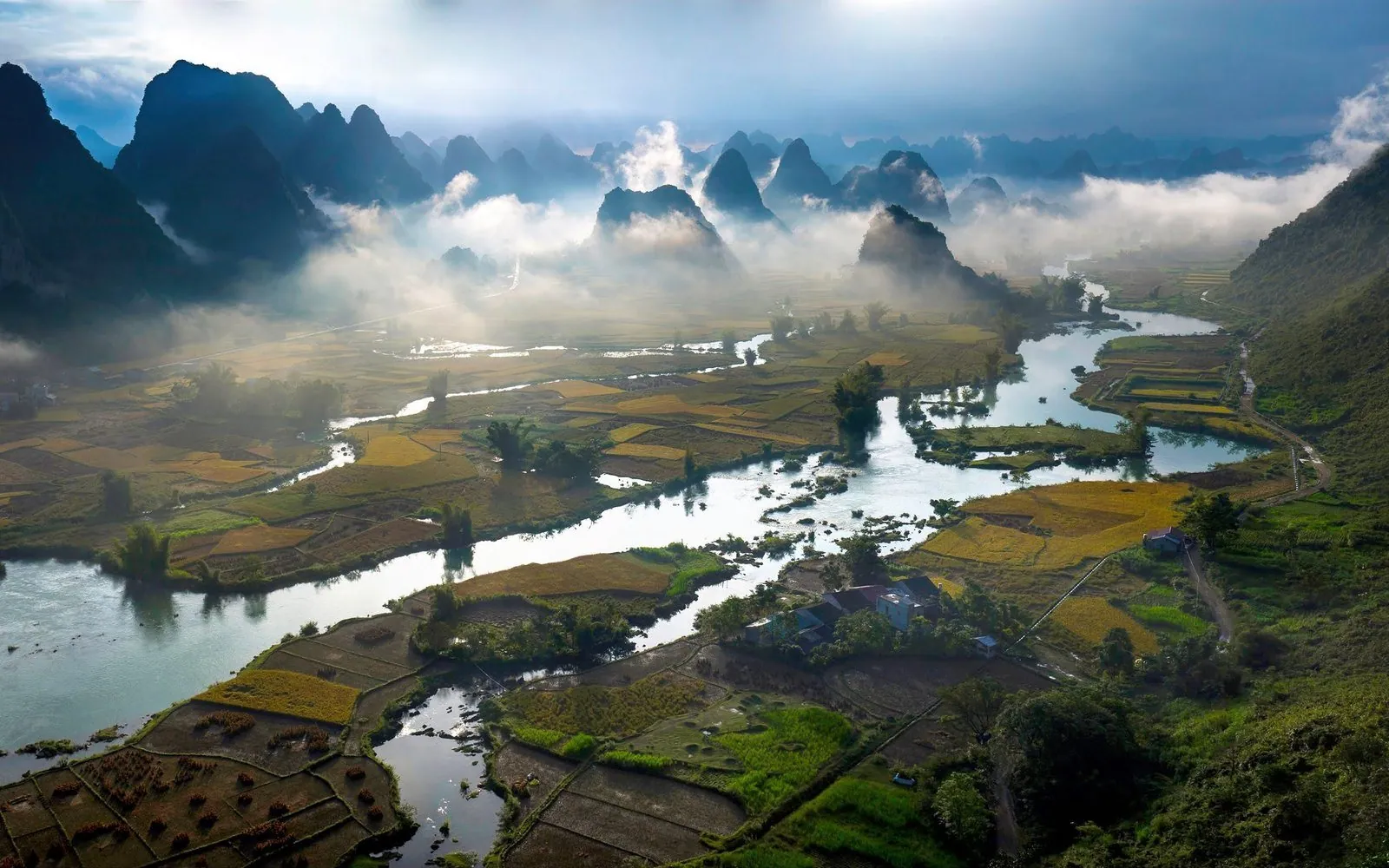
A peaceful rice valley on the Quay Son River, about 26 km from Ban Gioc – the place travellers call “Phong Nam Valley”.
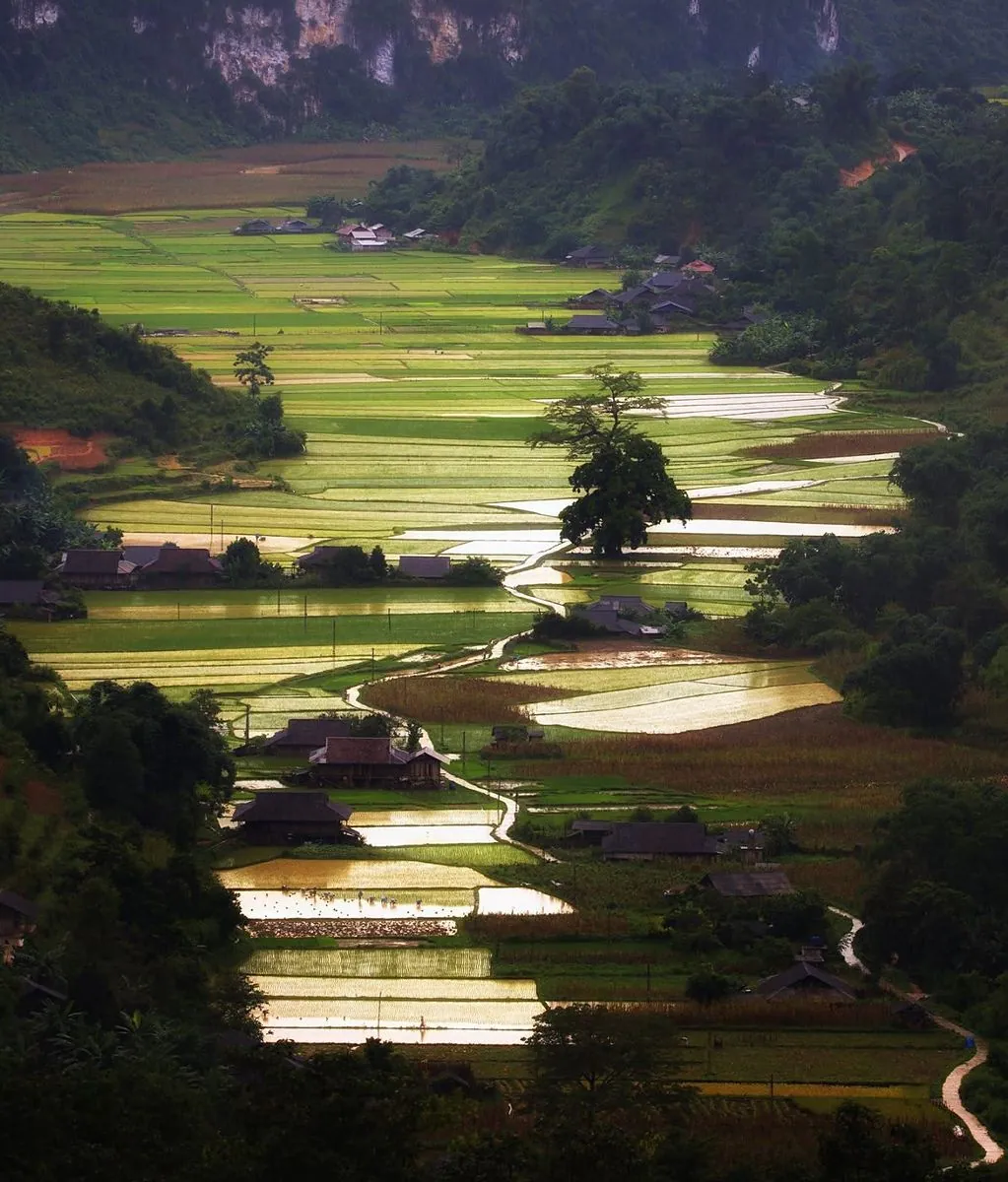
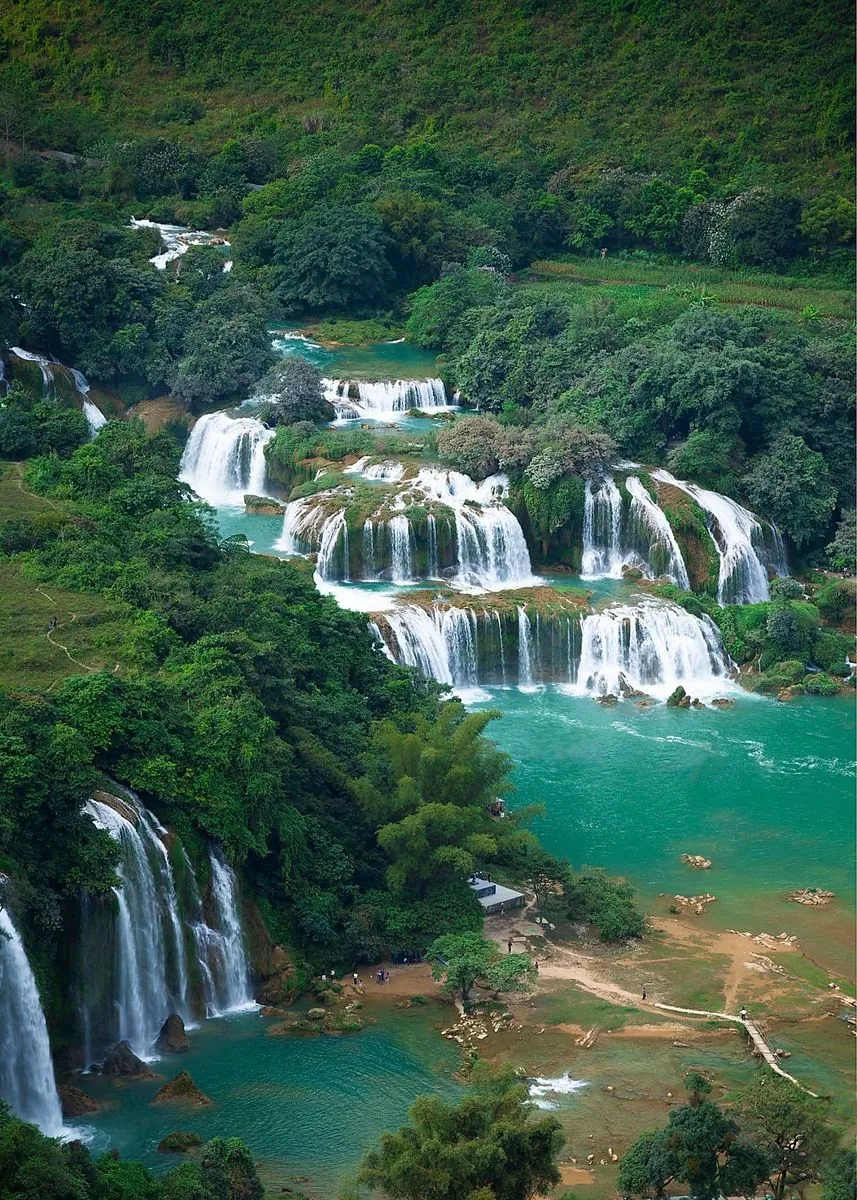
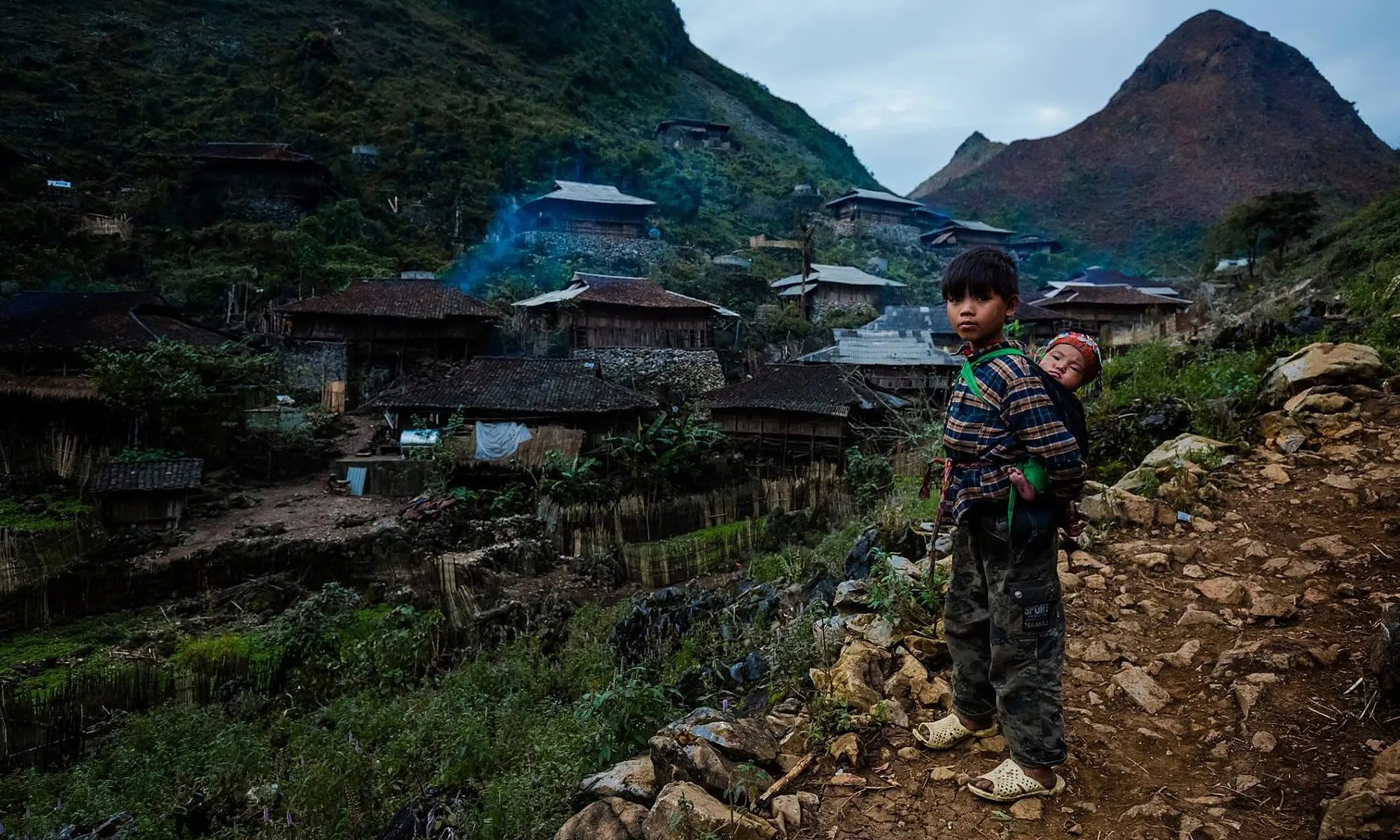
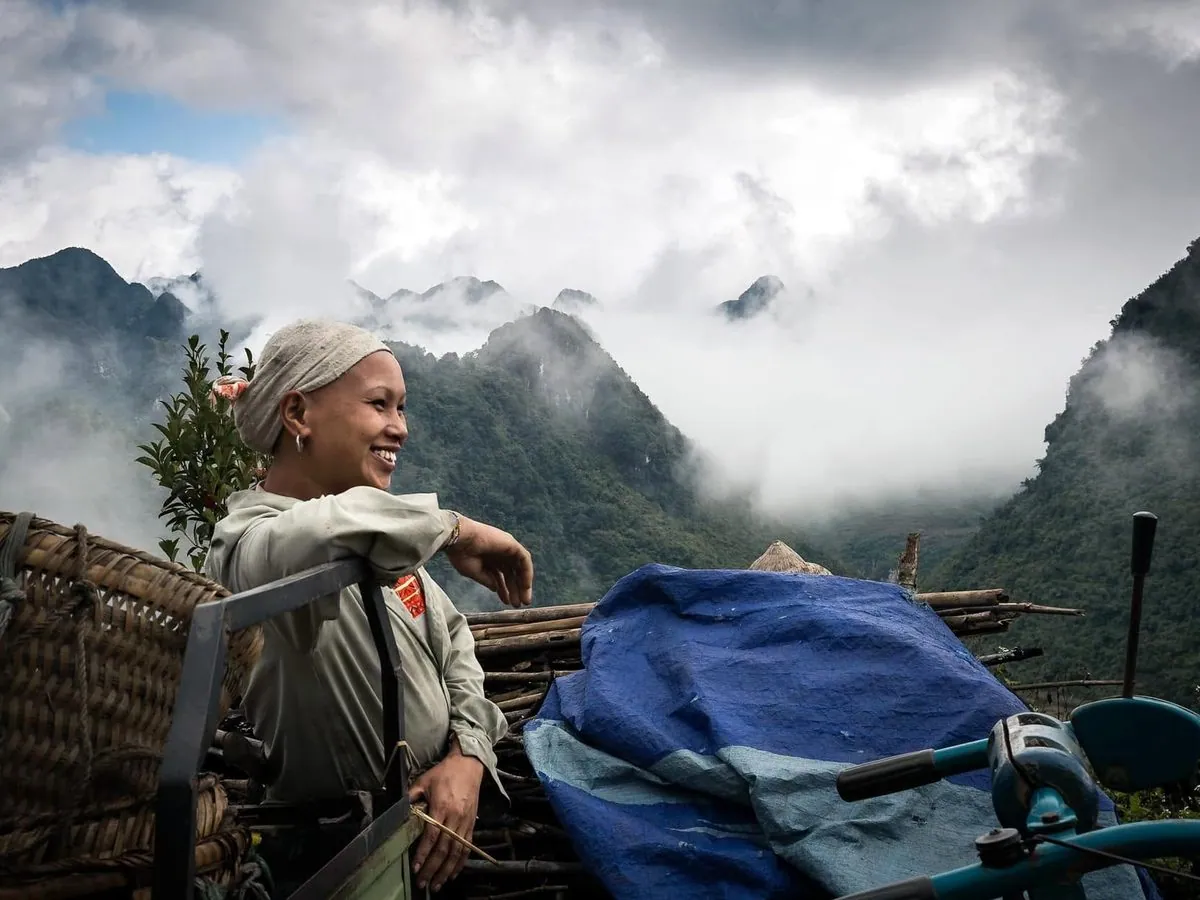
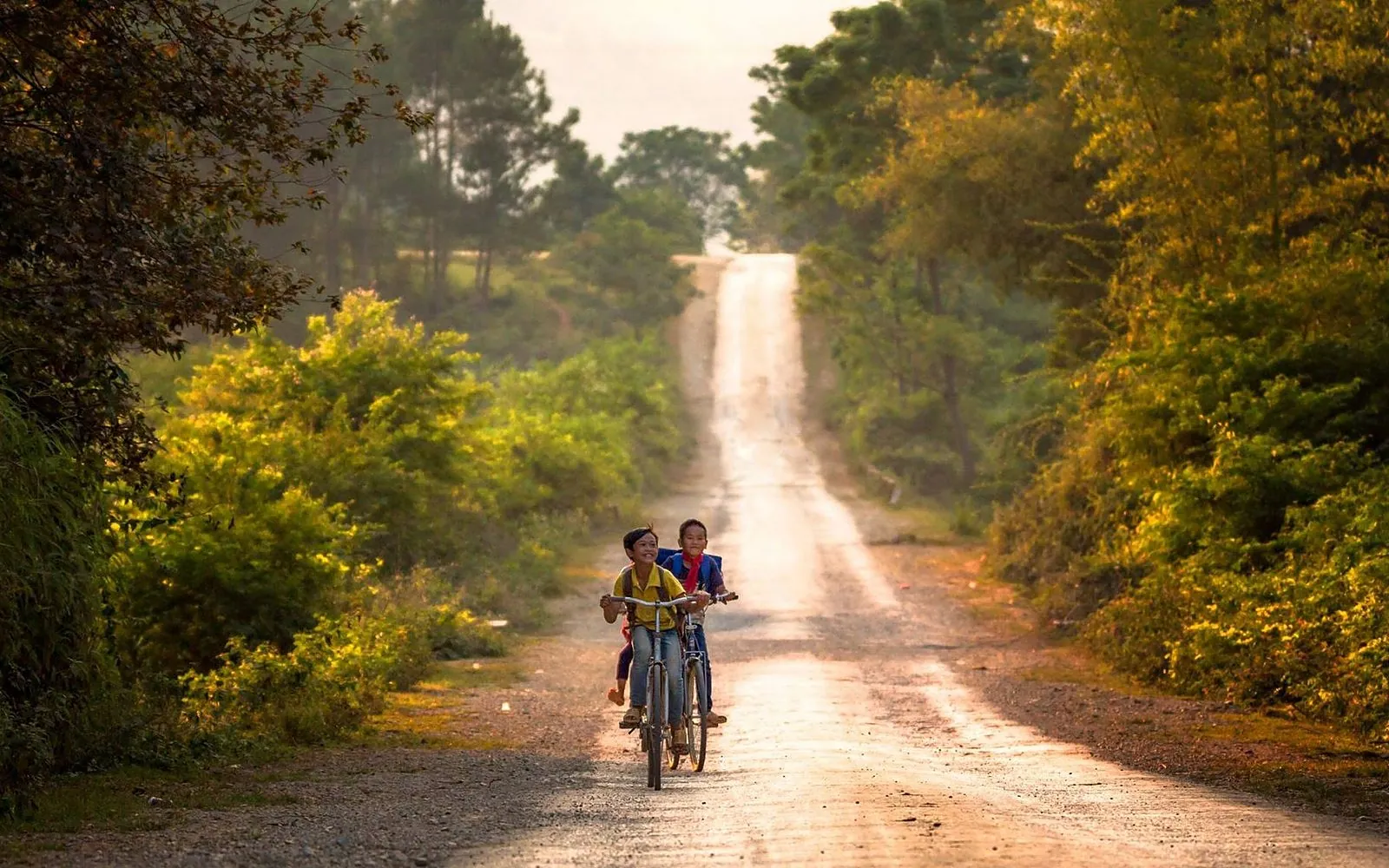
Upstream of Ban Gioc along the Quay Son River, Phong Nam and Ngoc Con are two connected valleys between limestone peaks, now part of Dinh Phong commune. Rice fields line both banks, Tay villages sit at the foot of the mountains, buffalo and horses graze unhurried and children swim in the river on summer afternoons: farming life here is still fully intact.
In recent years more and more “Cao Bang Loop” travellers come here to stay a night, climb Pi Pha viewpoint for sunrise and walk the villages once the day-trippers have gone. Many write that this valley is what they remember most from the whole trip.
Travellers usually search for it without Vietnamese accents: Phong Nam Valley, Ngoc Con, Pi Pha (Phi Pha) Viewpoint, Quay Son River.
The wide, flat stretch of valley along the Quay Son River, with rice fields linking Tay villages. Ideal for walking, slow cycling and watching everyday life.
Further upstream the valley narrows between cliffs; Po Peo village sits near the border gate of the same name. This is a border area: carry ID and follow the signs.
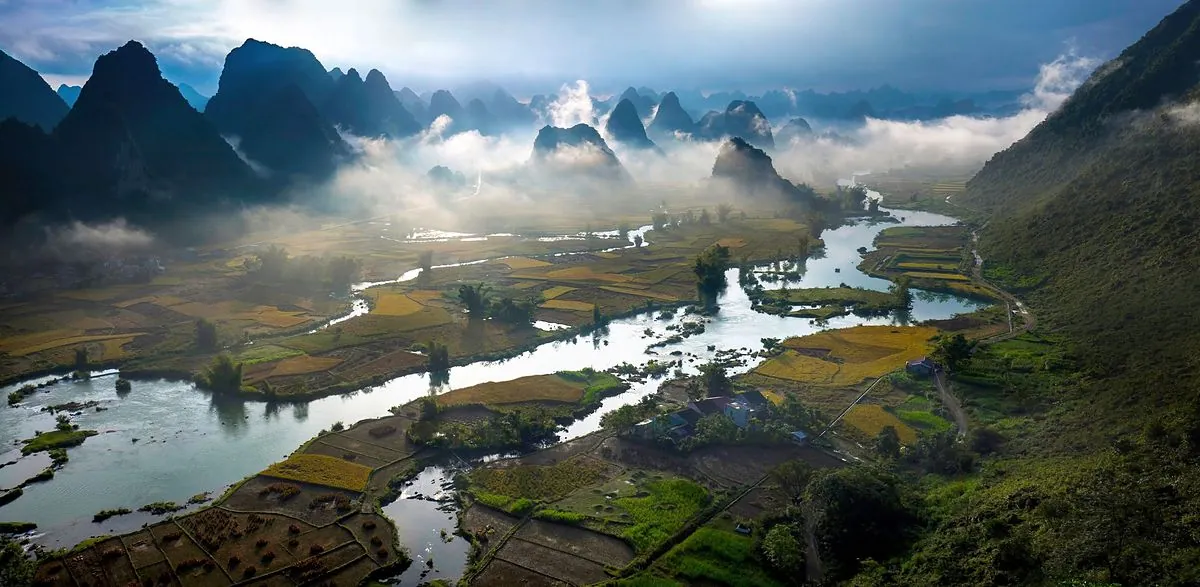
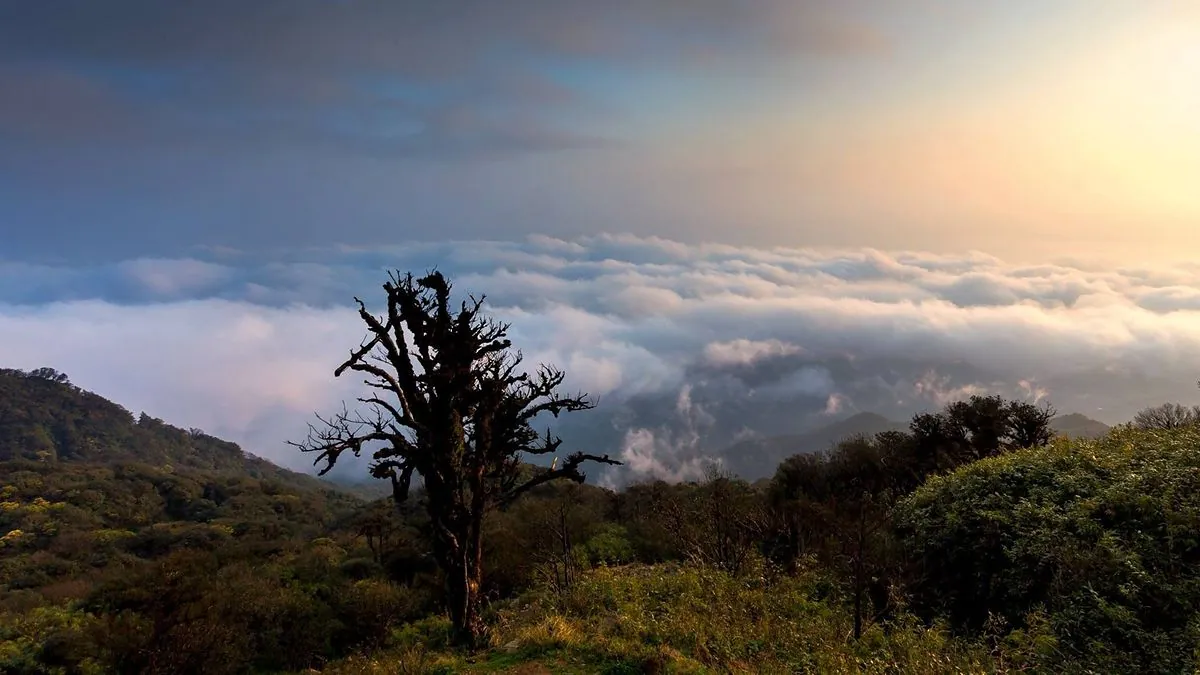
A panorama over the Ngoc Con valley and the winding Quay Son River. The way up follows the Bo Hay trail and takes from about 15 minutes to an hour depending on the path and your fitness; best at a misty sunrise.
A suspension bridge across the Quay Son River, a good stop to take in the river and the fields on both banks.
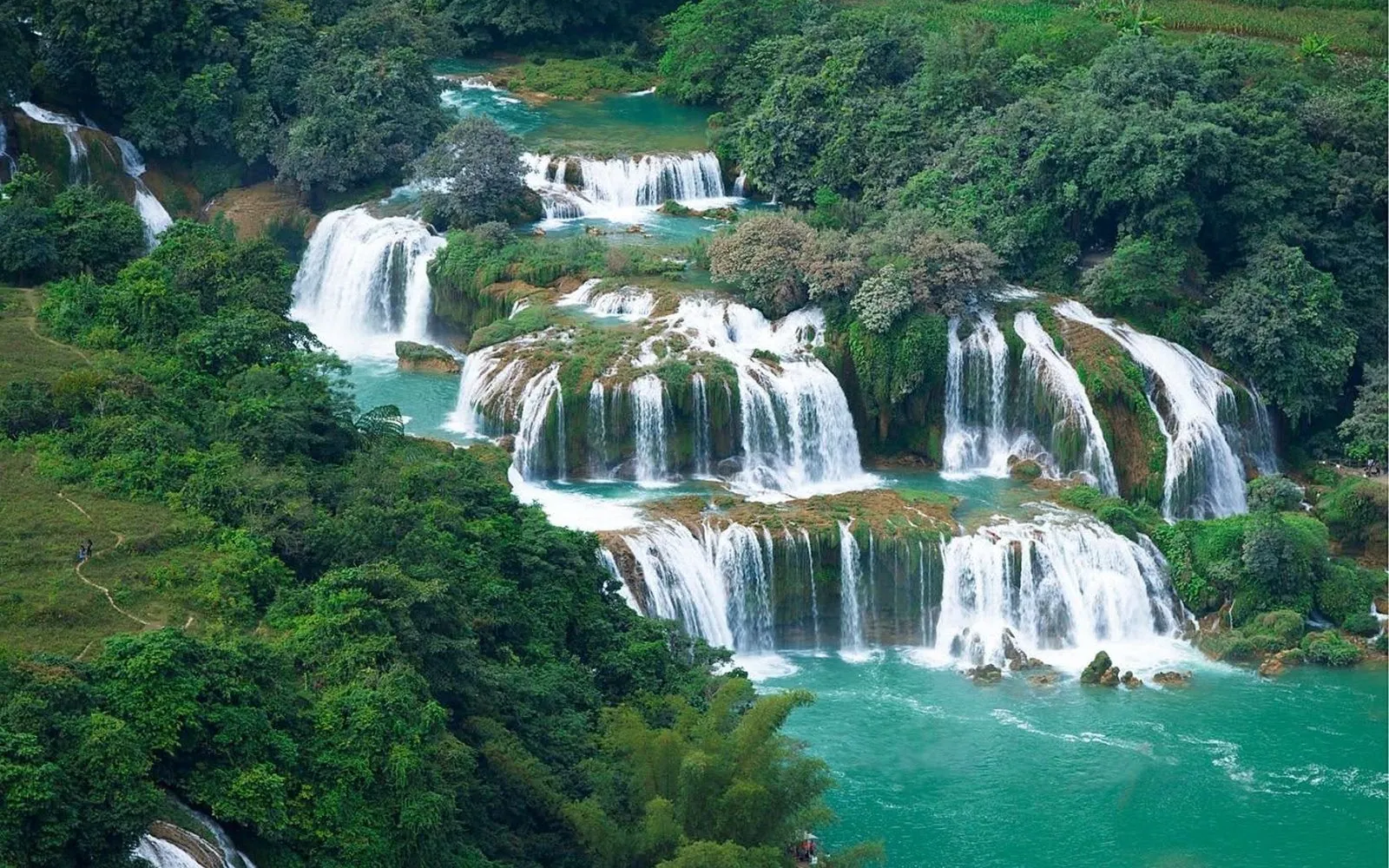
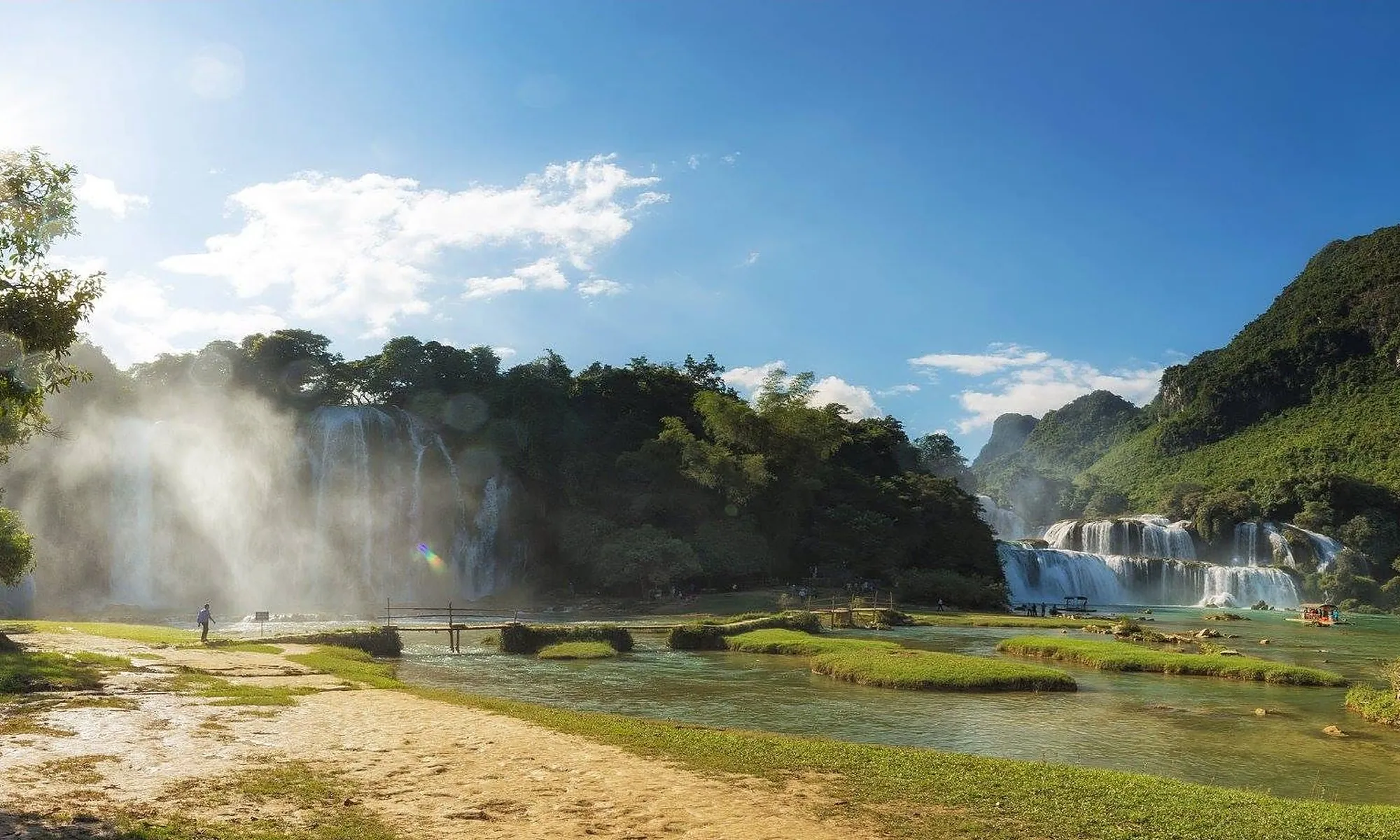
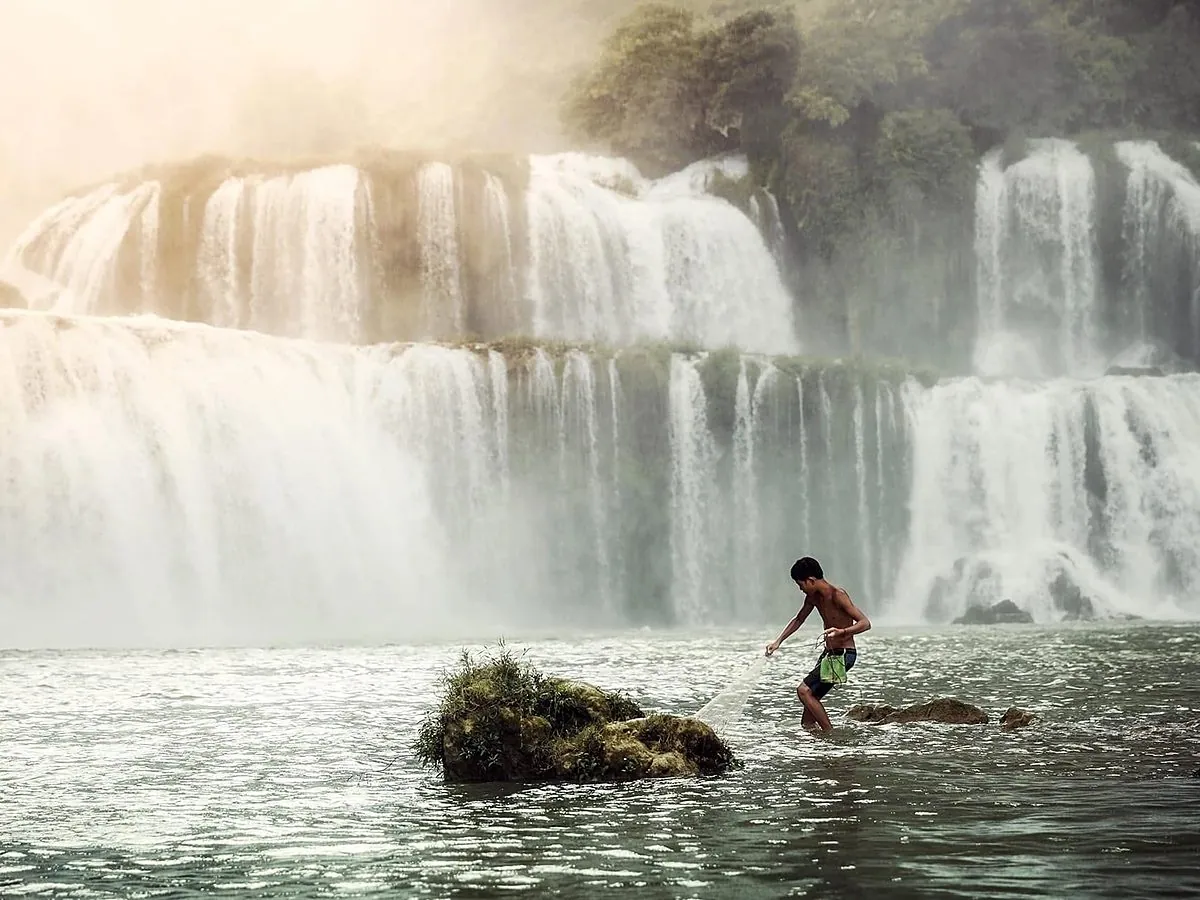
The jade-green river flows through both valleys before tumbling over Ban Gioc. Some families have bamboo rafts or small boats: ask your homestay host.
Pristine karst forest right next door – home to the Cao Vit gibbon, one of the world’s rarest primates. Enter the forest only with a ranger or local guide.
Sep – Oct
Golden rice: the most beautiful season, and the busiest.
Apr – Jun
Flooded paddies and bright young rice; the rains begin.
Nov – Mar
Misty mornings and cool air; the valley is quiet.
May – Sep
Rainy season: the viewpoint trail is very slippery; watch for landslides on the road.
A handful of family homestays sit in and around the valley; you can also stay near Ban Gioc (Khuoi Ky stone village) or in Trung Khanh town. Book ahead in harvest season.
Practical tips
2 days, 1 nightFirst time in Cao Bang and want Ban Gioc plus Phong Nam Valley without rushing.
 3 days, 2 nights · Sep – Oct
Photographers and slow travellers who want time in the valley in its finest season.
 4 days, 3 nights
The full eastern loop, village nights and time to walk.
Phong Nam and Ngoc Con are two connected valleys on the Quay Son River, now in Dinh Phong commune, about 26 km from Ban Gioc (under an hour’s drive) and about 80 km from the provincial centre (around 2.5 hours). International travellers know it as “Phong Nam Valley”.
About 26 km, under an hour by car or motorbike. The road is narrow, rough in places and slippery when wet: travel by day and download offline maps, as mobile signal is weak.
Depending on the path and your fitness, from about 15 minutes to an hour via the Bo Hay trail. It is very slippery after rain; go at sunrise, wear grippy shoes and ask locals for the trailhead.
Best in the golden rice season, roughly late September to mid-October (it varies by year). April – June brings flooded paddies and young rice; winter has misty, chilly mornings. In the rainy season (May – September) trails are slippery.
There are almost no restaurants and no ATMs. Eat breakfast before you go, bring enough cash and ask your homestay host to cook lunch or dinner if you stay.
Please don’t. This is a border area (near the Po Peo border gate), and flying drones near the border requires permission from the authorities. Carry your passport and follow the signs.
Yes, there are a few family homestays in and around the valley; you can also stay near Ban Gioc (Khuoi Ky stone village) or in Trung Khanh town. Book ahead in harvest season.
The Cao Vit gibbons live in a strictly protected reserve and are very hard to see. Enter the forest only with a ranger or local guide; on early mornings you may sometimes hear the gibbons sing.
At least one night, to catch sunrise from Pi Pha viewpoint; two nights if you want to walk between the villages and photograph the harvest at a slow pace. See our “Ban Gioc – Phong Nam – Ngoc Con, 2 days” itinerary.
Top places
1 – 7 day trips, 7 travel styles
Five places to stay
Trekking, rafting, mountain passes
Newsletter
Upcoming festivals, seasons and new trip ideas, straight to your inbox.

Open a topic, then tap a question to ask the assistant.
Answers may be incomplete; please check official information before you travel.