Where to stay
Five places to stay
Plan your trip
How to get to Cao Bang, get around, the weather and important tips.
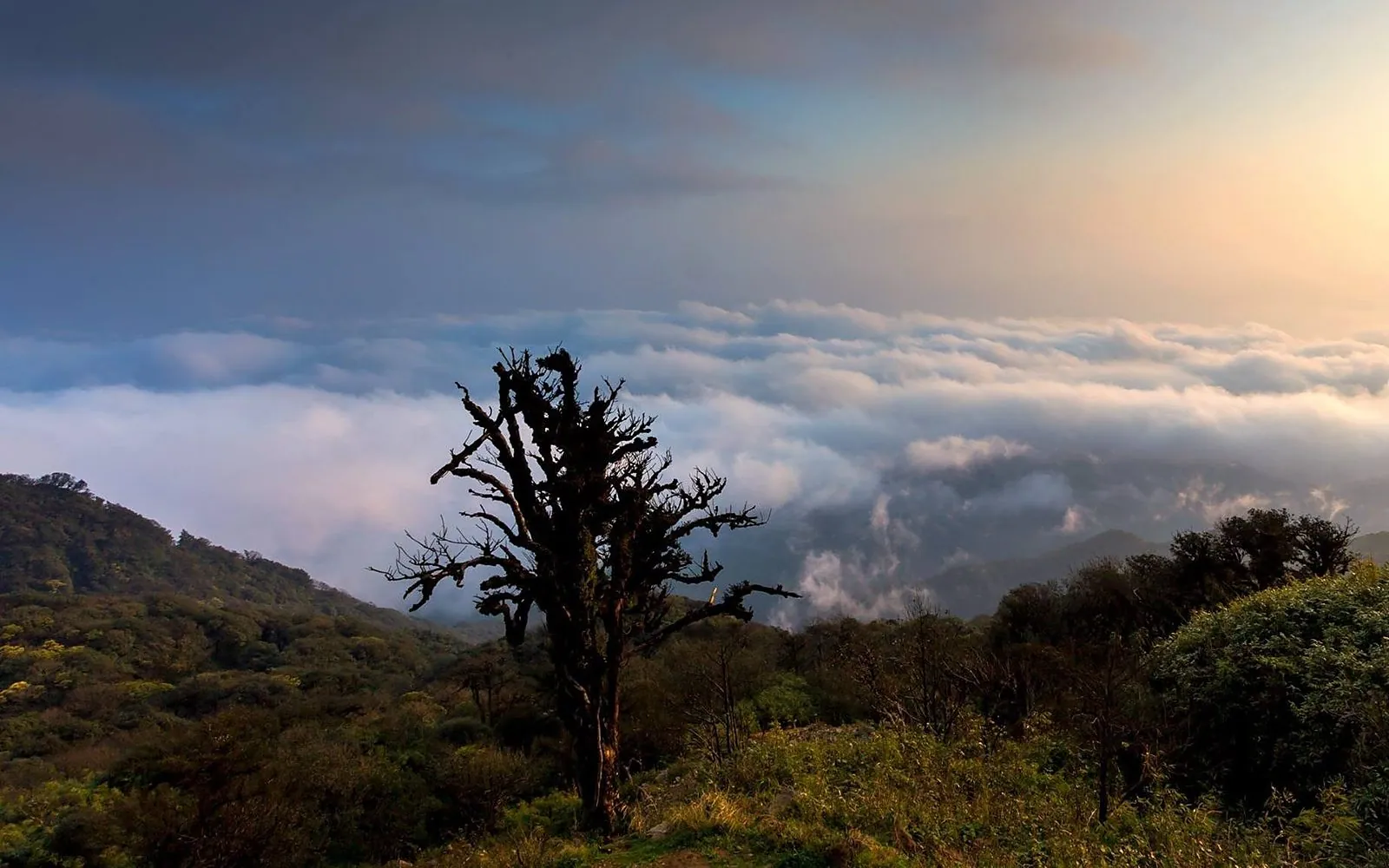
The climate is cool; summers are milder than in the lowlands. Winters are cold; high areas such as Phia Oac can see frost during cold snaps. The rainy season runs roughly May – September: pack a rain jacket and watch for landslide warnings.
Weather
Forecast data: Open-Meteo. Cool all year; winter can drop below 10°C.
Jan · Feb · Mar
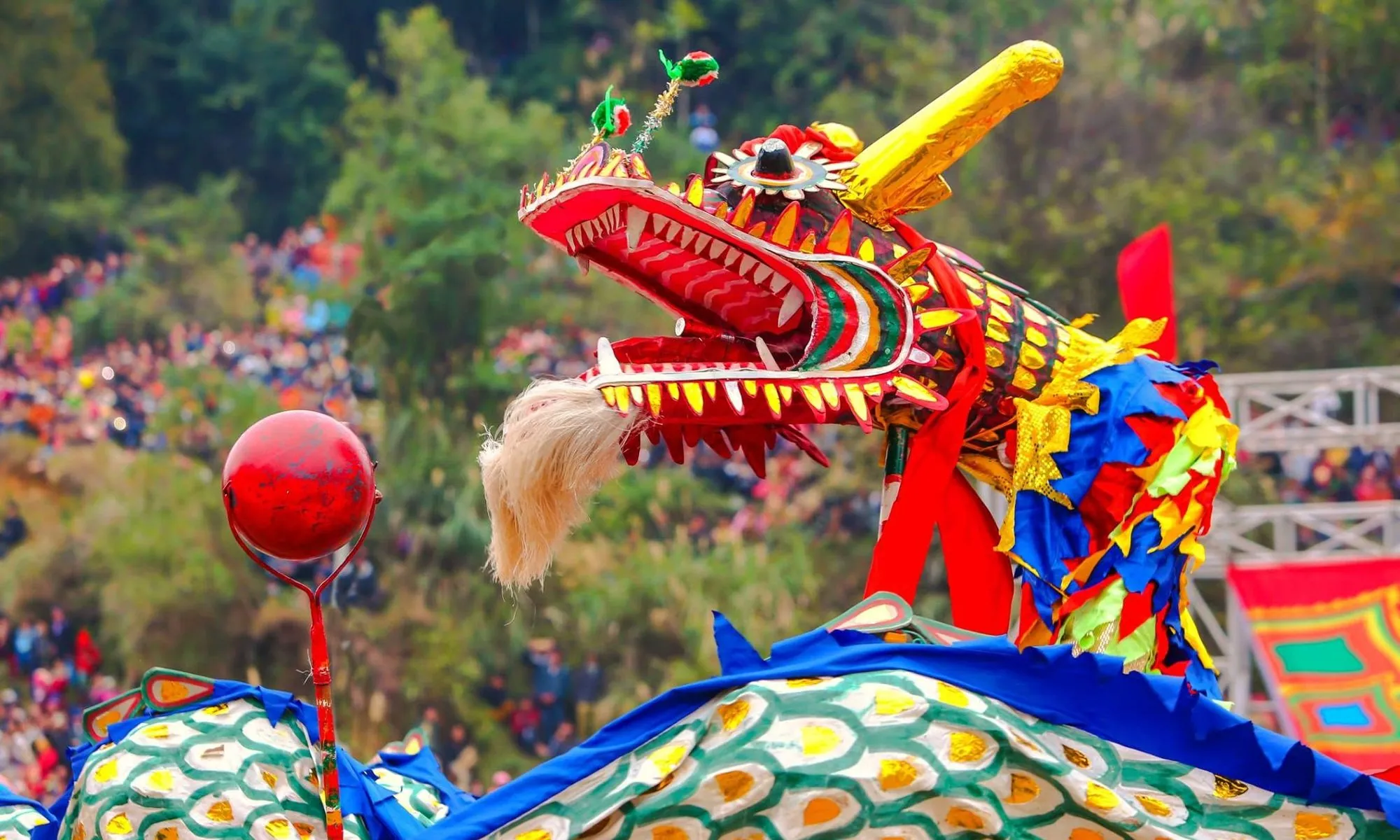
Lunar New Year and the Long Tong festival; plum and peach blossom in the villages; crisp air.
Apr · May · Jun
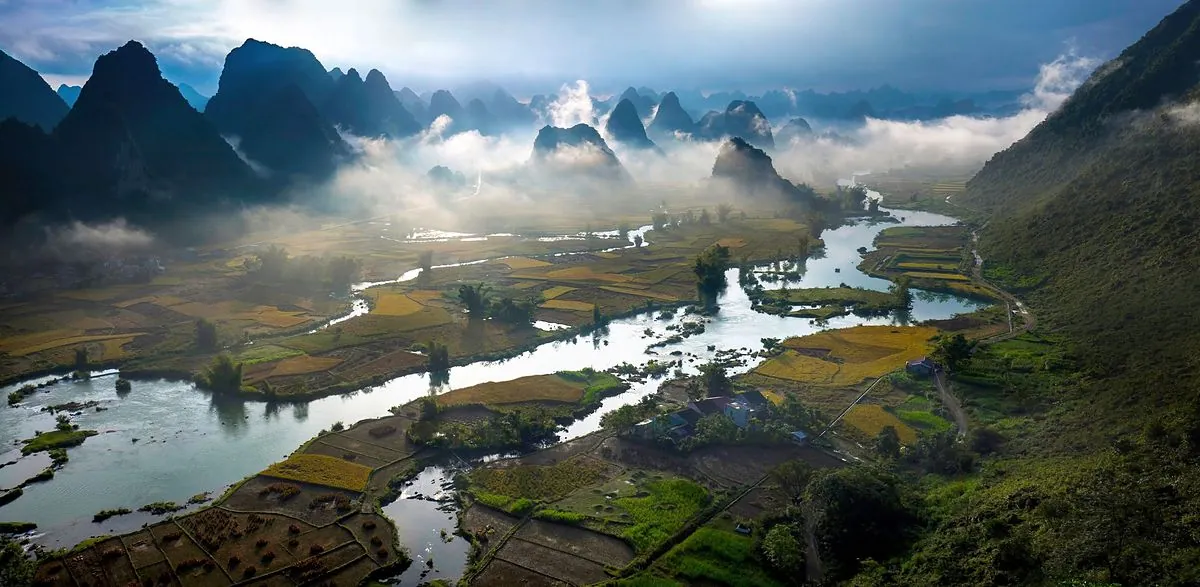
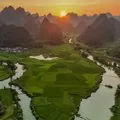
Flooded paddies, green peaks and young rice across Phong Nam Valley.
Jul · Aug · Sep
Ban Gioc at its most powerful; rice turns gold from late August.
Oct · Nov · Dec
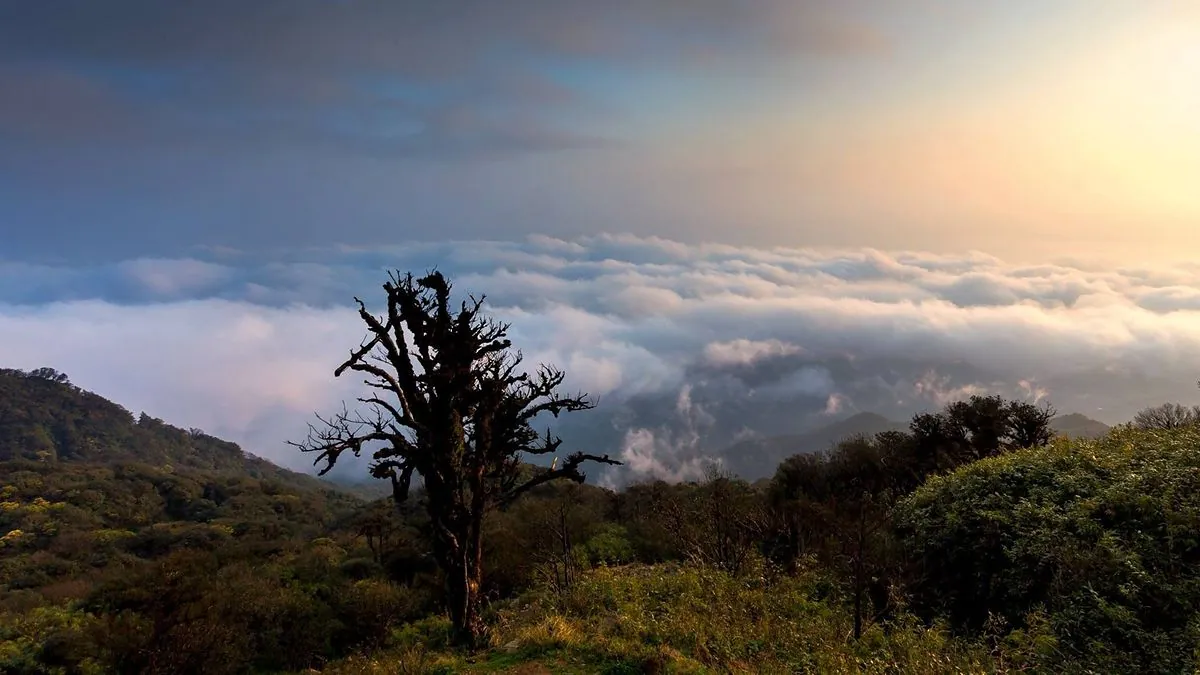
Clear skies, chestnut and incense season; clouds and frost on Phia Oac.
| Vietnamese | Meaning |
|---|---|
| Xin chào | Hello |
| Cảm ơn | Thank you |
| Bao nhiêu tiền? | How much is it? |
| Tôi chụp ảnh được không? | May I take a photo? |
| Ngon quá! | Delicious! |
| Nhà vệ sinh ở đâu? | Where is the toilet? |
| Không cay | Not spicy |
| Tạm biệt | Goodbye |
| Month | Weather | Highlights |
|---|---|---|
| Jan | Cold, dry | Cloud seas, possible frost on Phia Oac |
| Feb | Cold, crisp | Spring festivals |
| Mar | Warming | Pear and plum blossom |
| Apr | Warm, little rain | Walking and cycling among new rice |
| May | Rains begin | Green forests, waterfalls filling |
| Jun | Rainy, humid | Nam Tra lake below Mat Than fills up |
| Jul | Very rainy | Ban Gioc at full power; watch landslide warnings |
| Aug | Rain and sun | Peak waterfall season; rice ripening late in the month |
| Sep | Cool, fine | Golden rice in Phong Nam and Hoai Khao |
| Oct | Cool, clear | Ripe rice, full falls; Ban Gioc tourism festival |
| Nov | Crisp, clear | Buckwheat flowers, chestnut season |
| Dec | Cold | Frost on Phia Oac, incense drying in Phia Thap |
Since 1 July 2025 Cao Bang no longer has districts; the province has 56 communes and wards. Maps, signs and older articles still use former district names such as Trung Khanh, Ha Quang, Nguyen Binh and Quang Hoa, so check both old and new names.
| Sight | Now in |
|---|---|
| Ban Gioc Waterfall, Nguom Ngao Cave, Khuoi Ky stone village | Dam Thuy commune |
| Ngoc Con – Phong Nam valley | Dinh Phong commune |
| Pac Bo relic site | Truong Ha commune |
| Phia Den, Hoai Khao village | Thanh Cong commune |
| Tran Hung Dao Forest | Tam Kim commune |
| Phia Thap incense and Phuc Sen blacksmith villages | Quang Uyen commune |
| Provincial centre (former Cao Bang city) | Thuc Phan, Nung Tri Cao and Tan Giang wards |
August to October is ideal: Ban Gioc is full, rice fields turn gold and the air is cool. January – March suits festival lovers; November – February is best for cloud seas and frost in the mountains.
At least 2 days and 1 night for Ban Gioc, Nguom Ngao and Phong Nam Valley. With 3 – 4 days you can add Pac Bo, craft villages, Mat Than mountain and the western road loop.
Yes. International visitors can visit Ban Gioc normally; always carry your passport as it is a border area where documents may be checked.
It is a UNESCO Global Geopark, first recognised in 2018 and revalidated with a “green card” by UNESCO in 2026. It covers more than 3,683 km² with over 130 geological heritage sites.
Yes. Homestays cluster in villages near Ban Gioc (such as Khuoi Ky), the Ngoc Con – Phong Nam valley, around Pac Bo, Phia Den and Bao Lac. In the September – October peak and on holidays, contact your accommodation in advance.
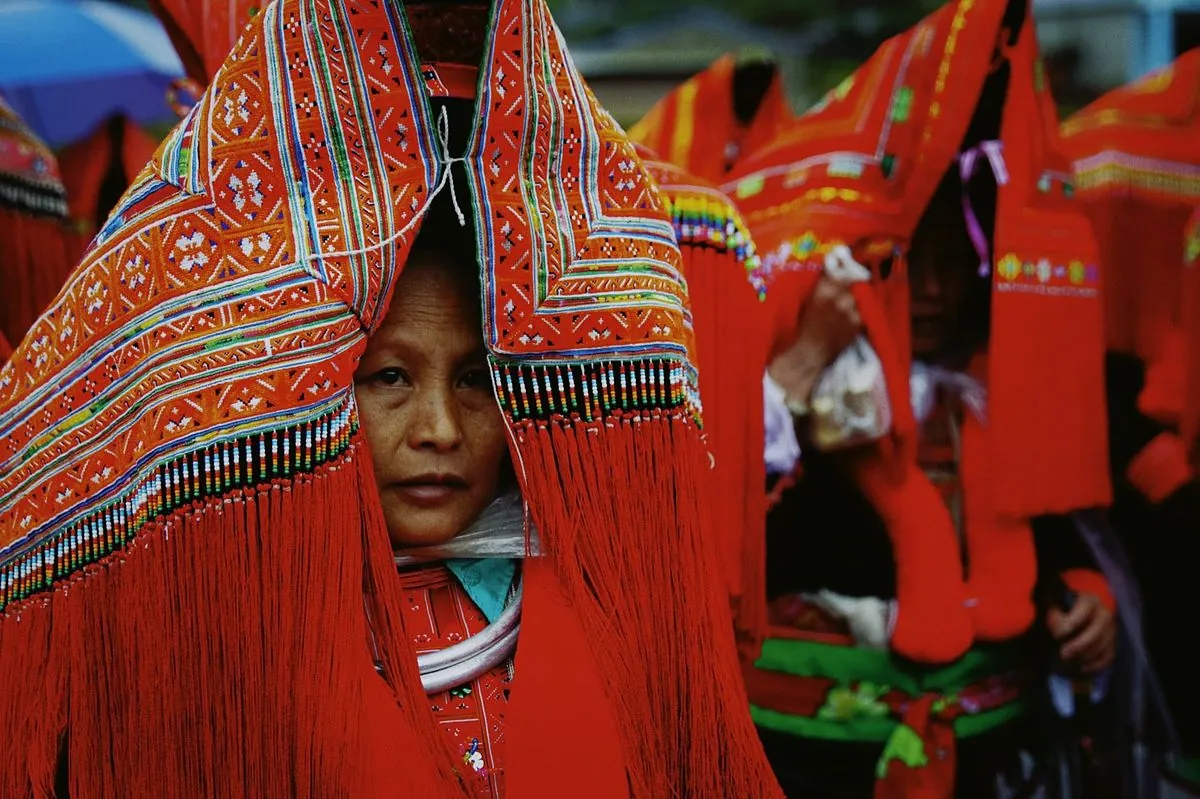
Markets follow the lunar calendar: each one meets about six times a month, from dawn until late morning. Easy ones to fit into a trip are Quang Uyen and Po Tau (lunar dates ending in 1 and 6), Trung Khanh (5 and 0), Thong Hue (2 and 7), Nuoc Hai (3 and 8) and Phia Den (1 and 6). Dates can change, so check with your host before you go.
Yes. Since December 2025 the Tra Linh international border gate in Cao Bang has been one of the gates where foreigners can enter and leave Vietnam on an e-visa (Government Resolution 389/NQ-CP). Check the latest rules before you travel.
Yes. In 2026 Cao Bang was named one of Vietnam’s 10 most welcoming destinations in Booking.com’s Traveller Review Awards, which are based on verified guest reviews.
Five places to stay
1 – 7 day trips, 7 travel styles
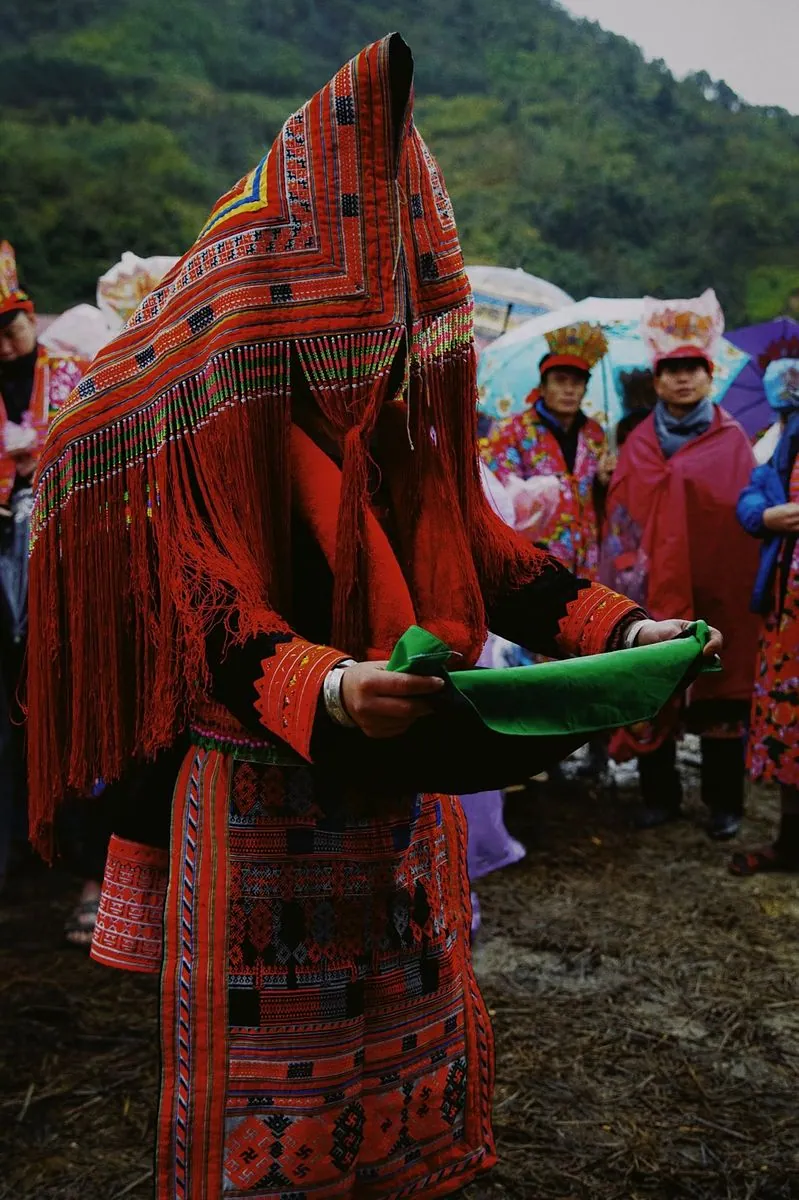
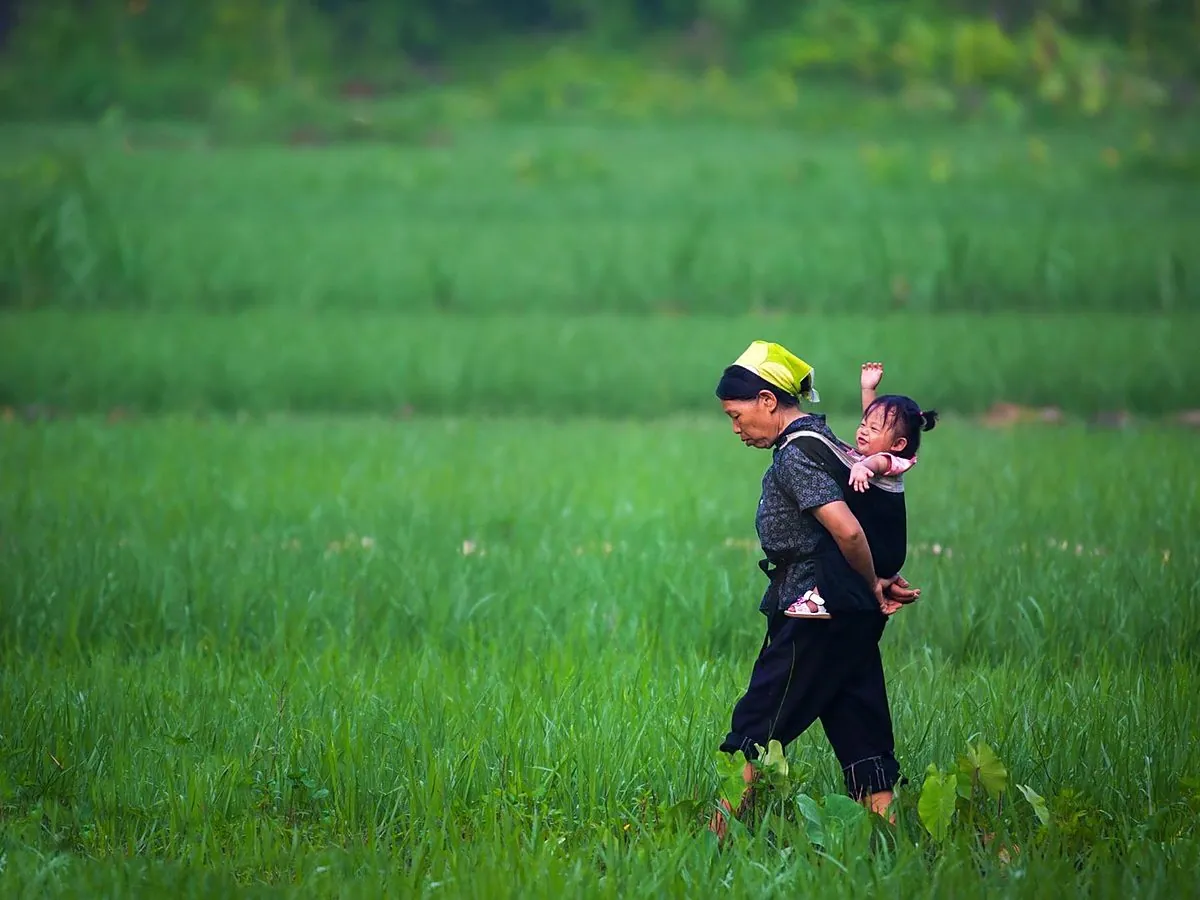
Festivals and seasons
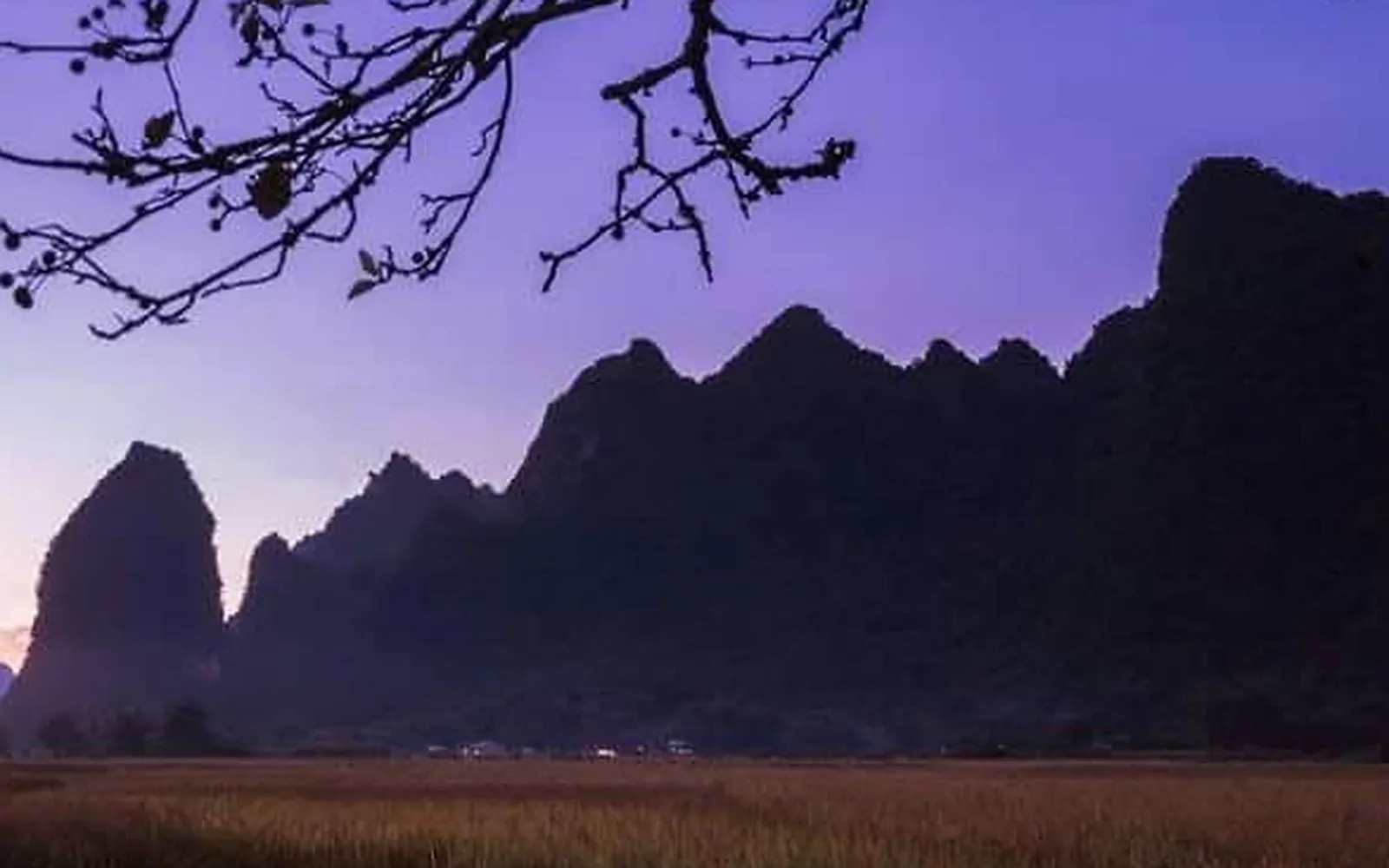
See every place on the map
Newsletter
Upcoming festivals, seasons and new trip ideas, straight to your inbox.
Open a topic, then tap a question to ask the assistant.
Answers may be incomplete; please check official information before you travel.