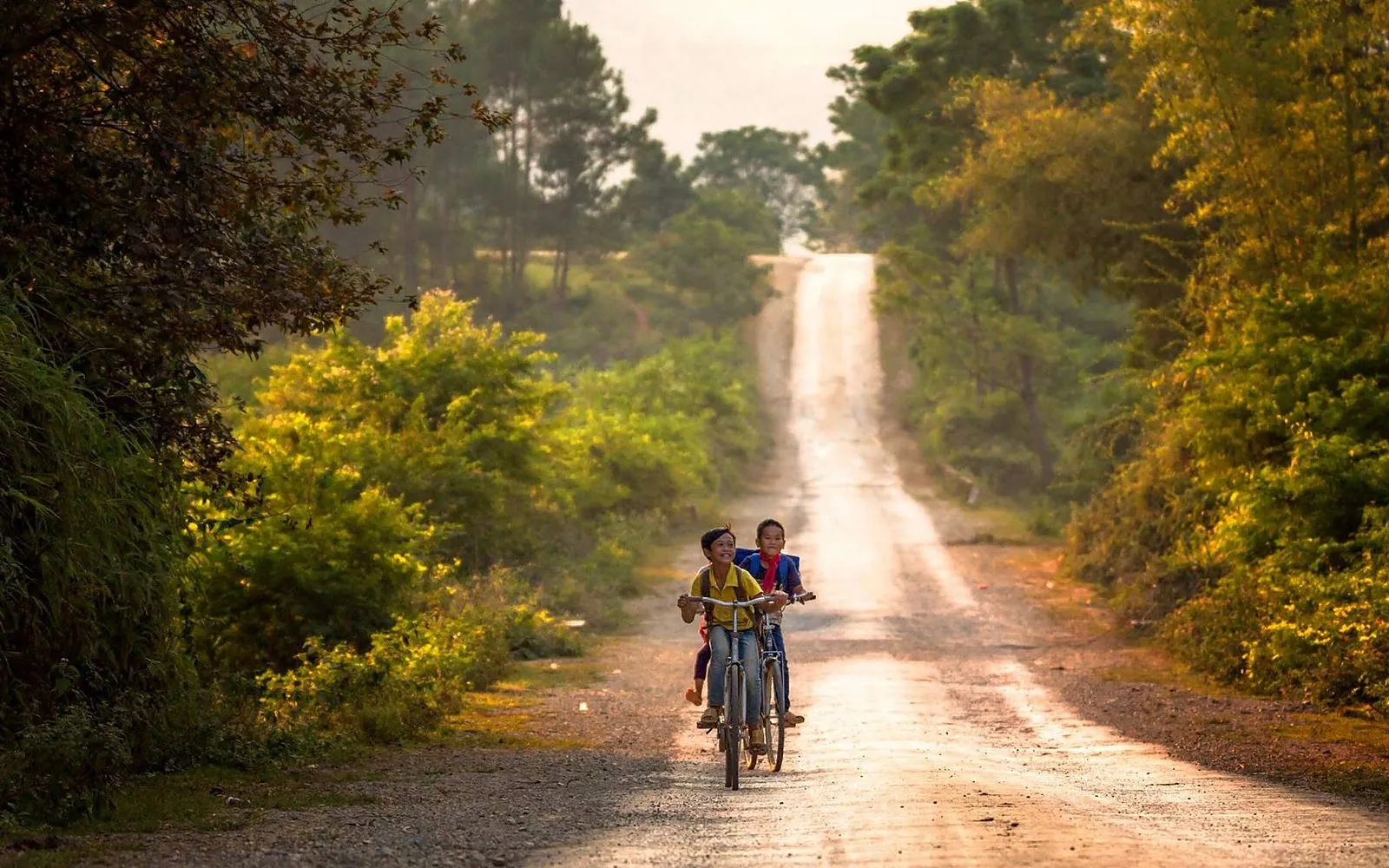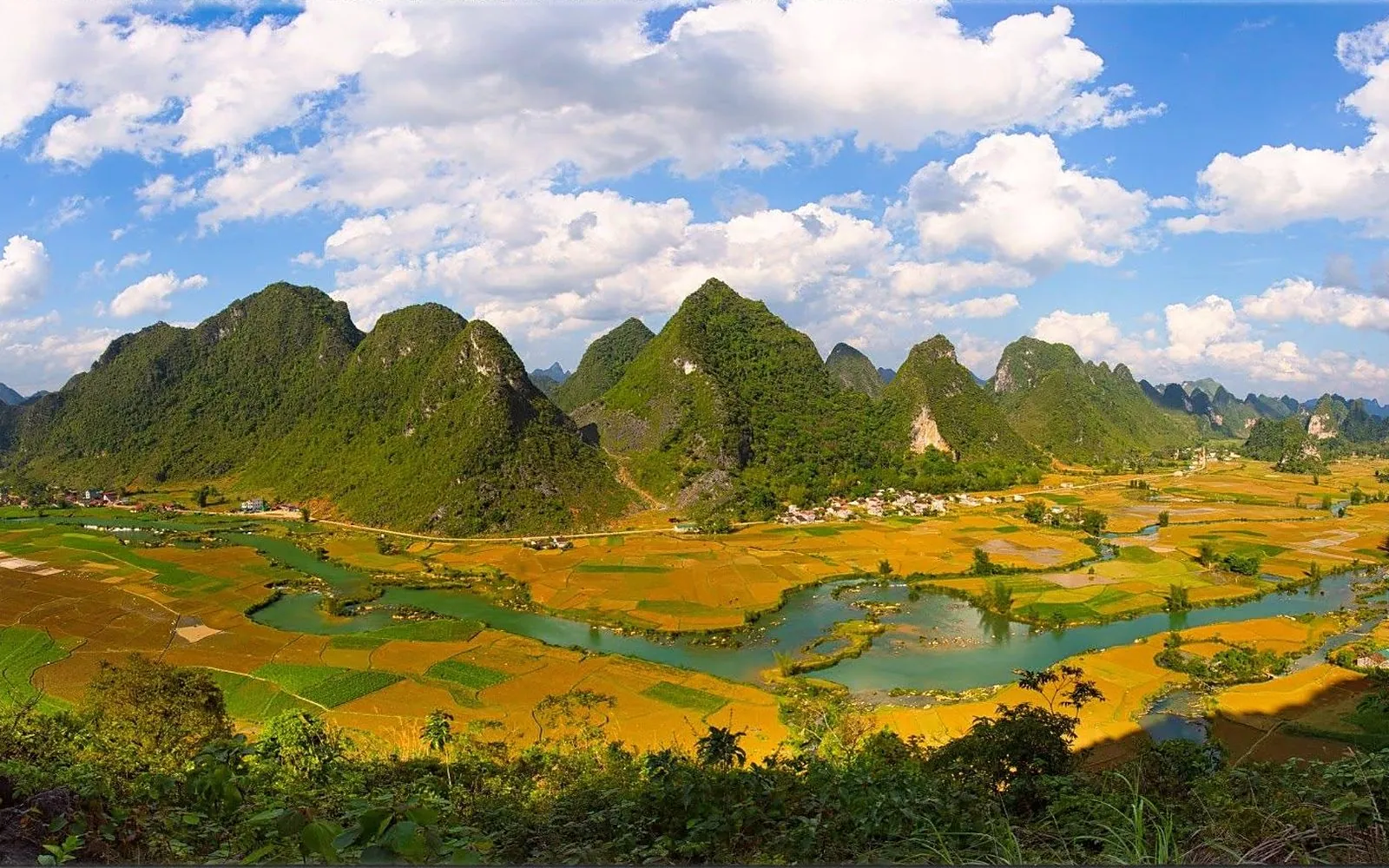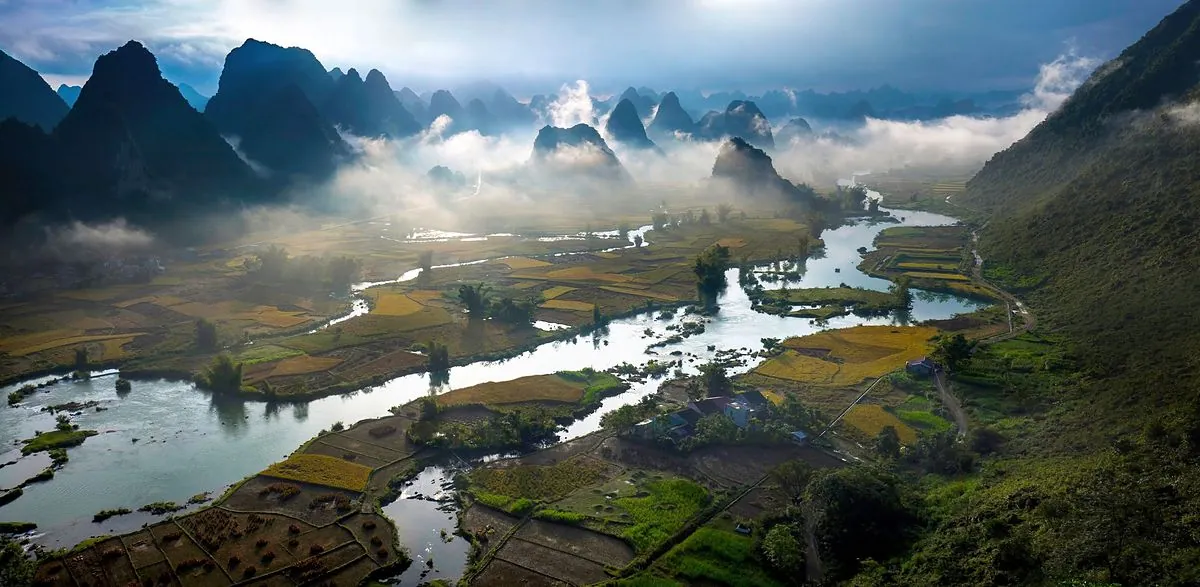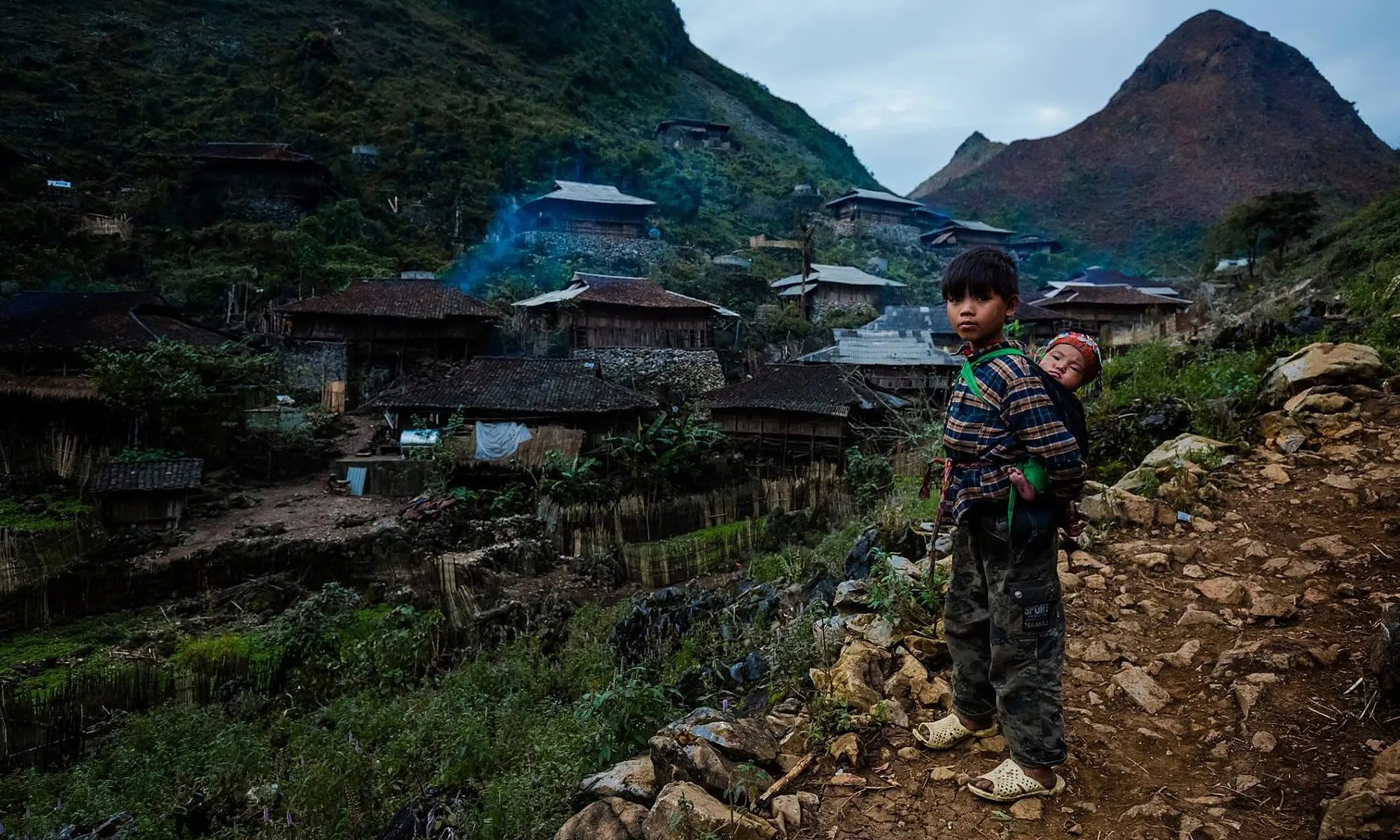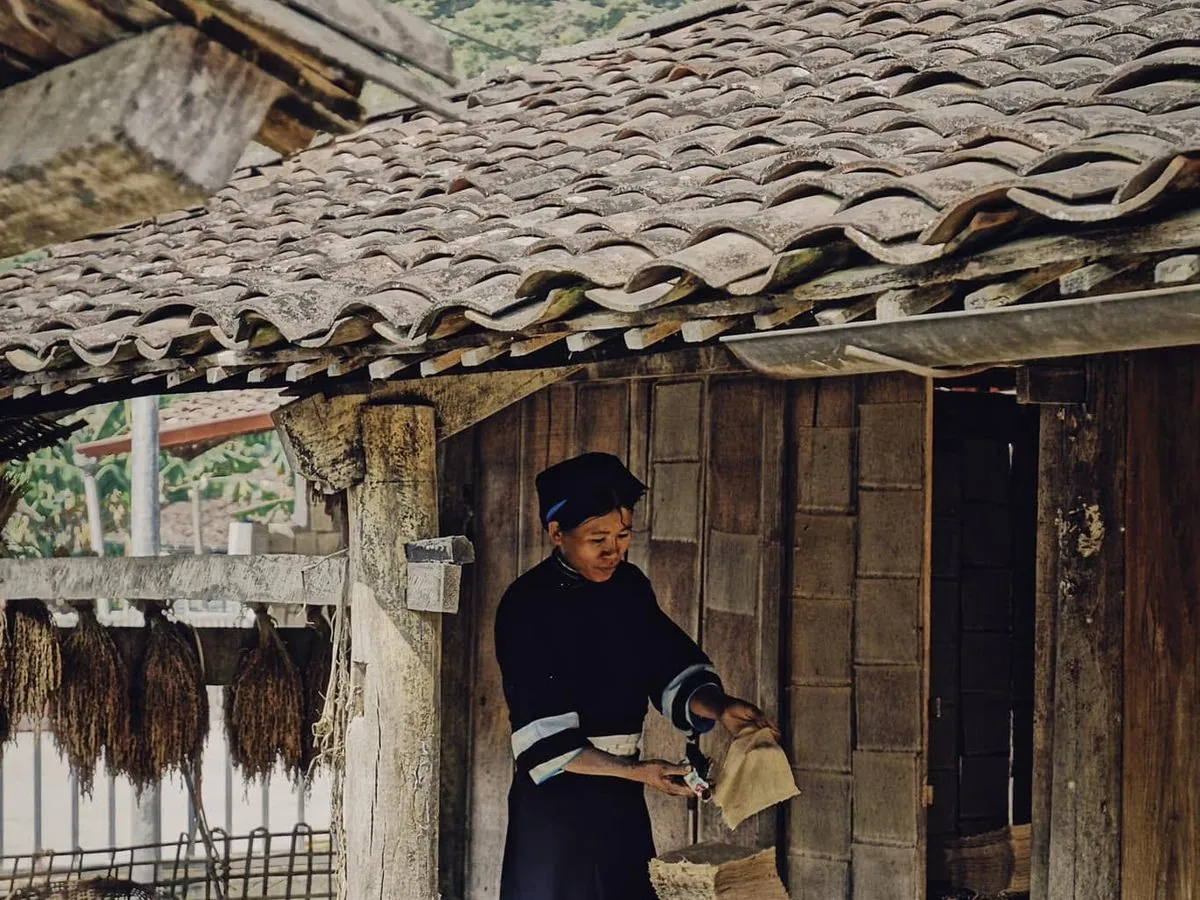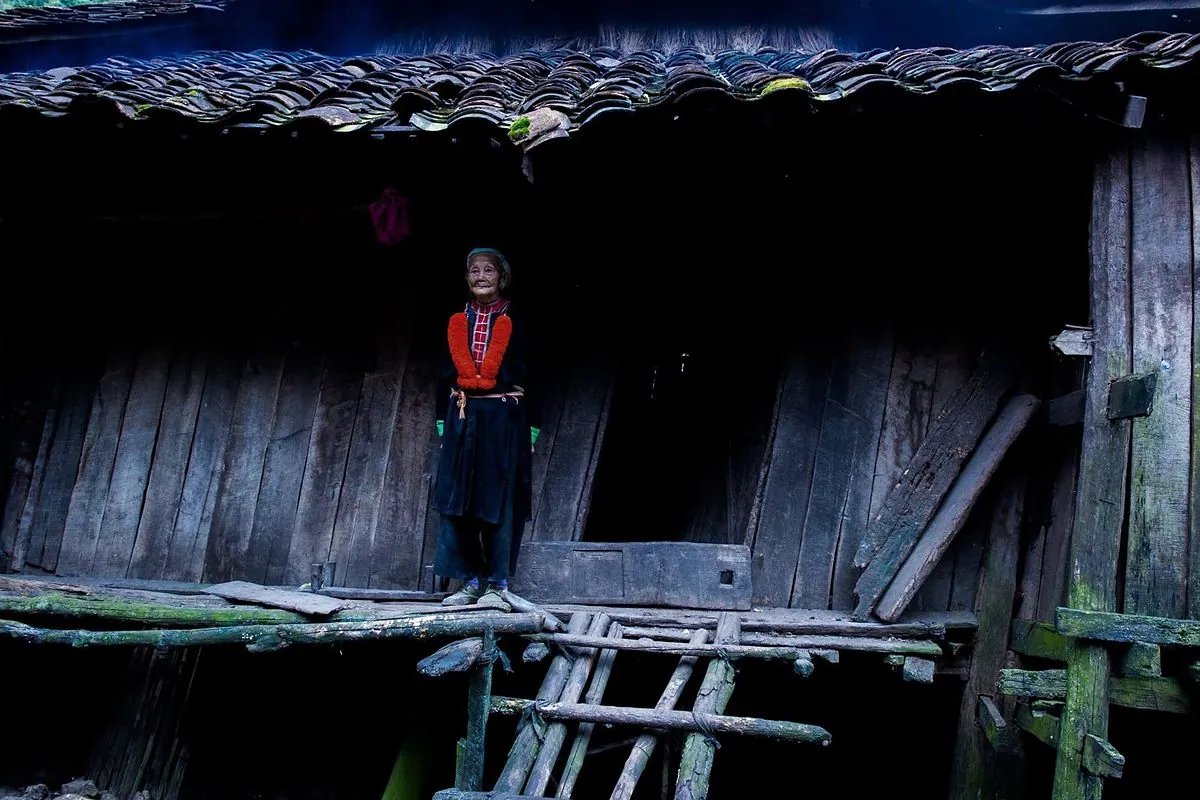
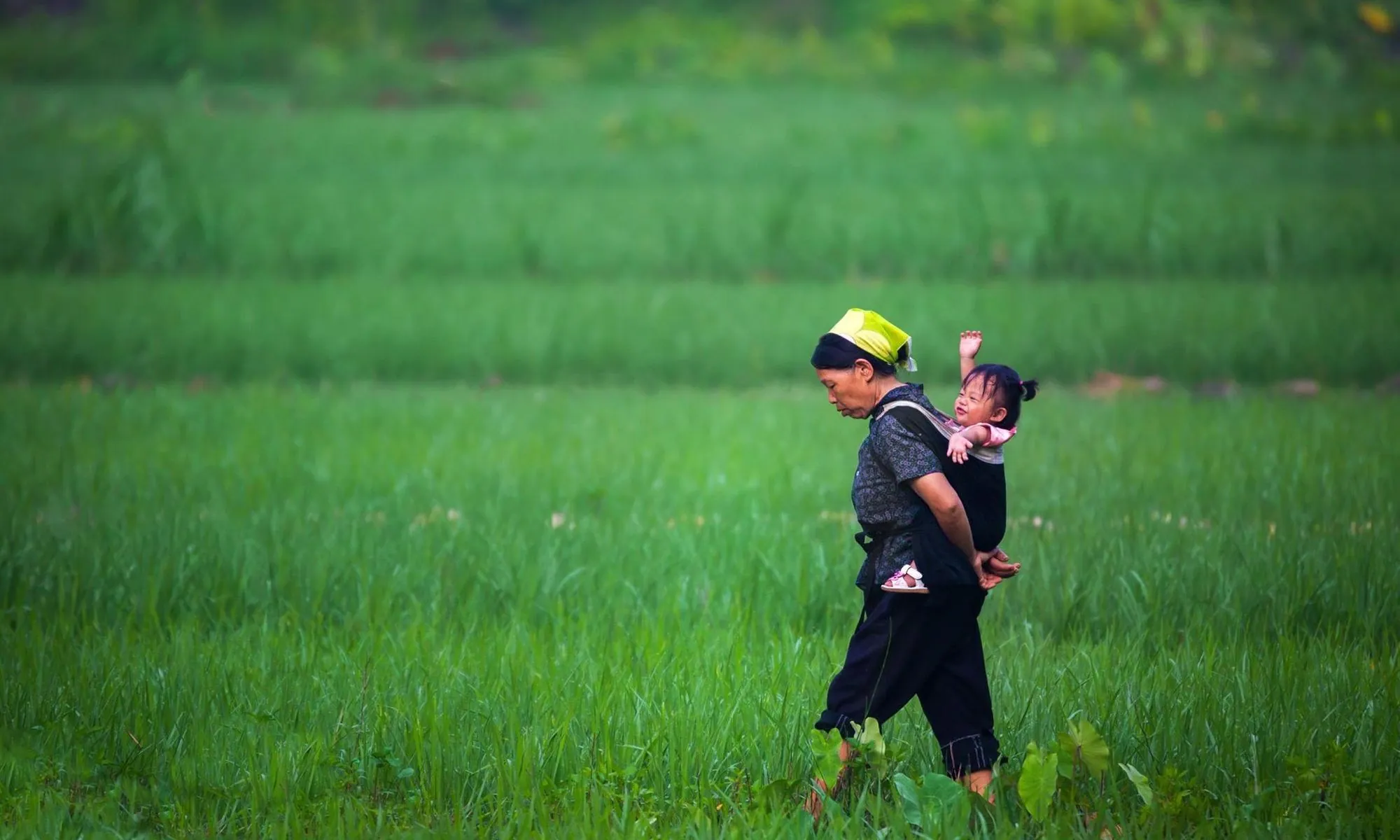
The dry season from October to April is the easiest time to travel. November to February is cold, so pack warm clothes. The rainy season from May to September is hotter and more humid, but the waterfalls are full and the rice turns from green to gold.
| Month | Weather | What to see and do |
|---|---|---|
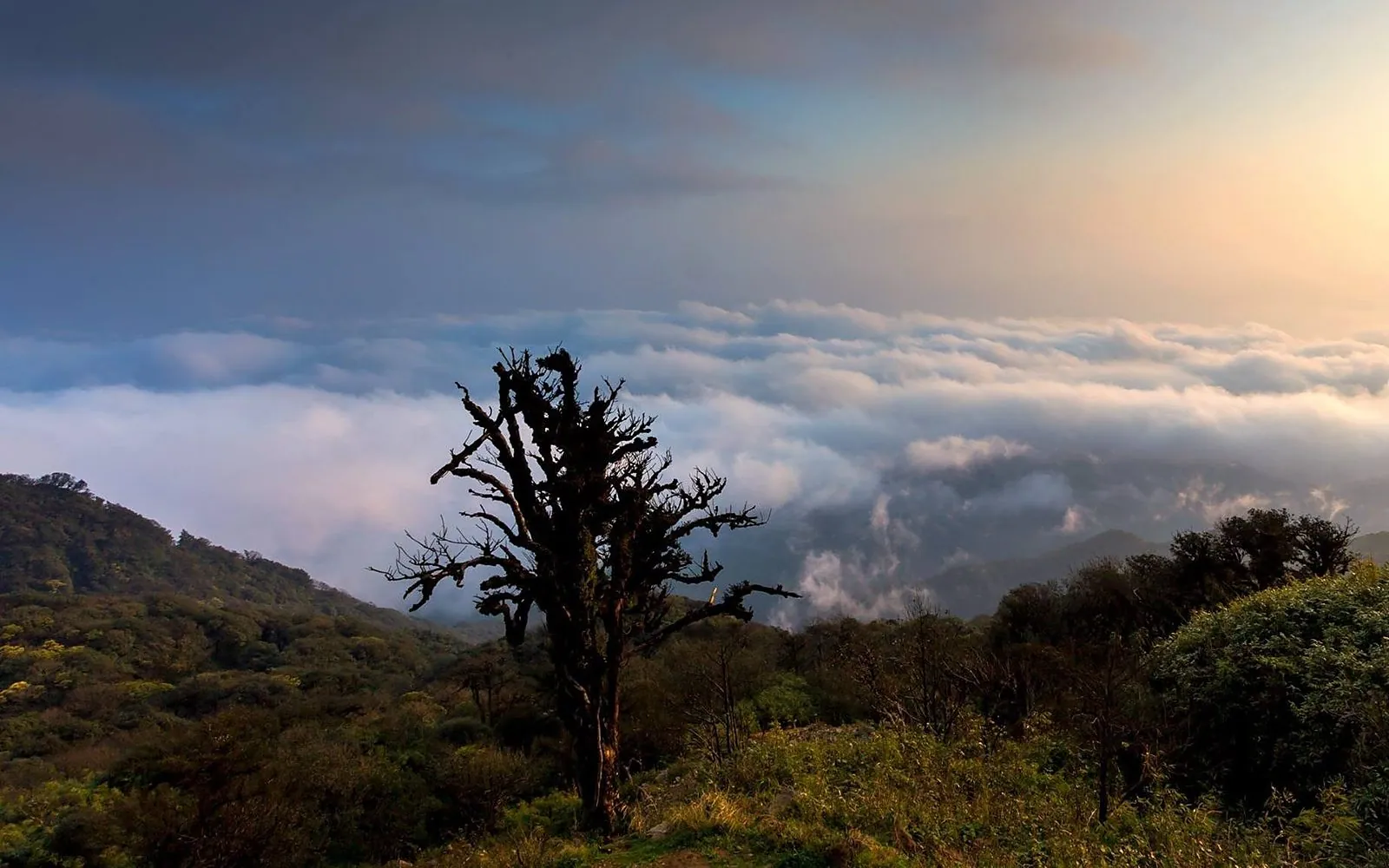
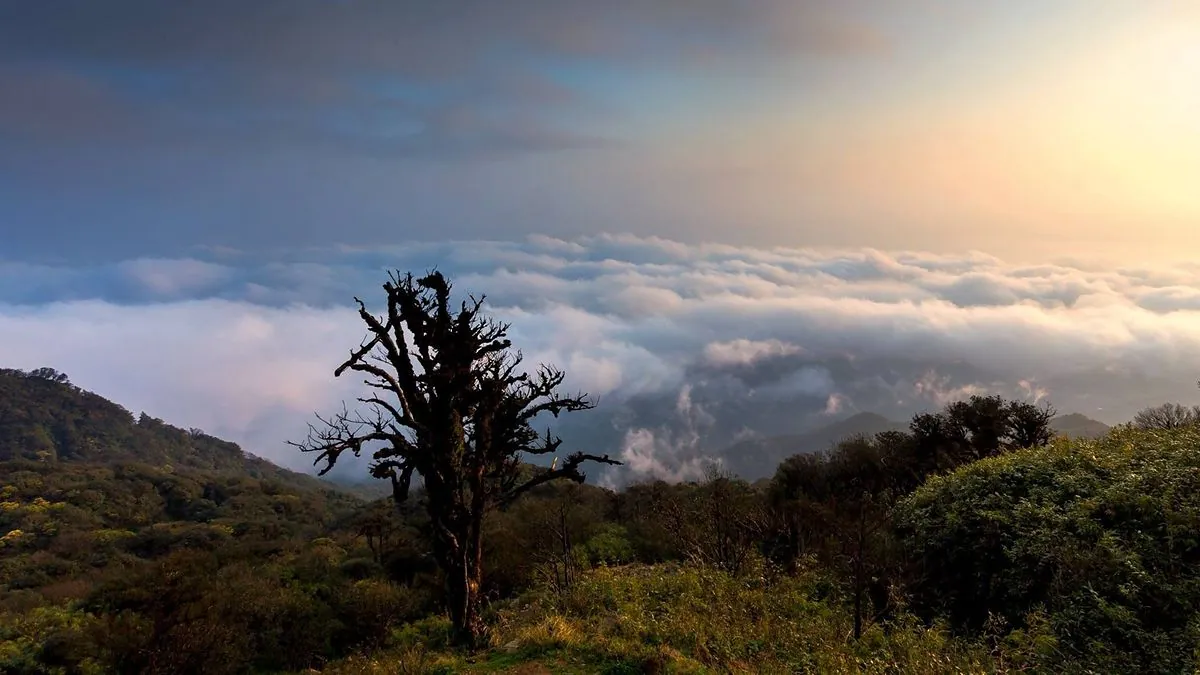
| 1 | Cold, dry | Cloud seas, possible frost on Phia Oac; Tay and Nung New Year atmosphere |
| 2 | Cold, crisp | Spring festivals: Long Tong, Ky Sam Temple, Quang Uyen firecracker-head festival |
| 3 | Warming | White pear and plum blossom on the hills; Tay and Nung Thanh Minh |
| 4 | Warm, little rain | Walking and cycling among new rice; late-spring festivals |
| 5 | Rains begin | Waterfalls start to fill; green forests |
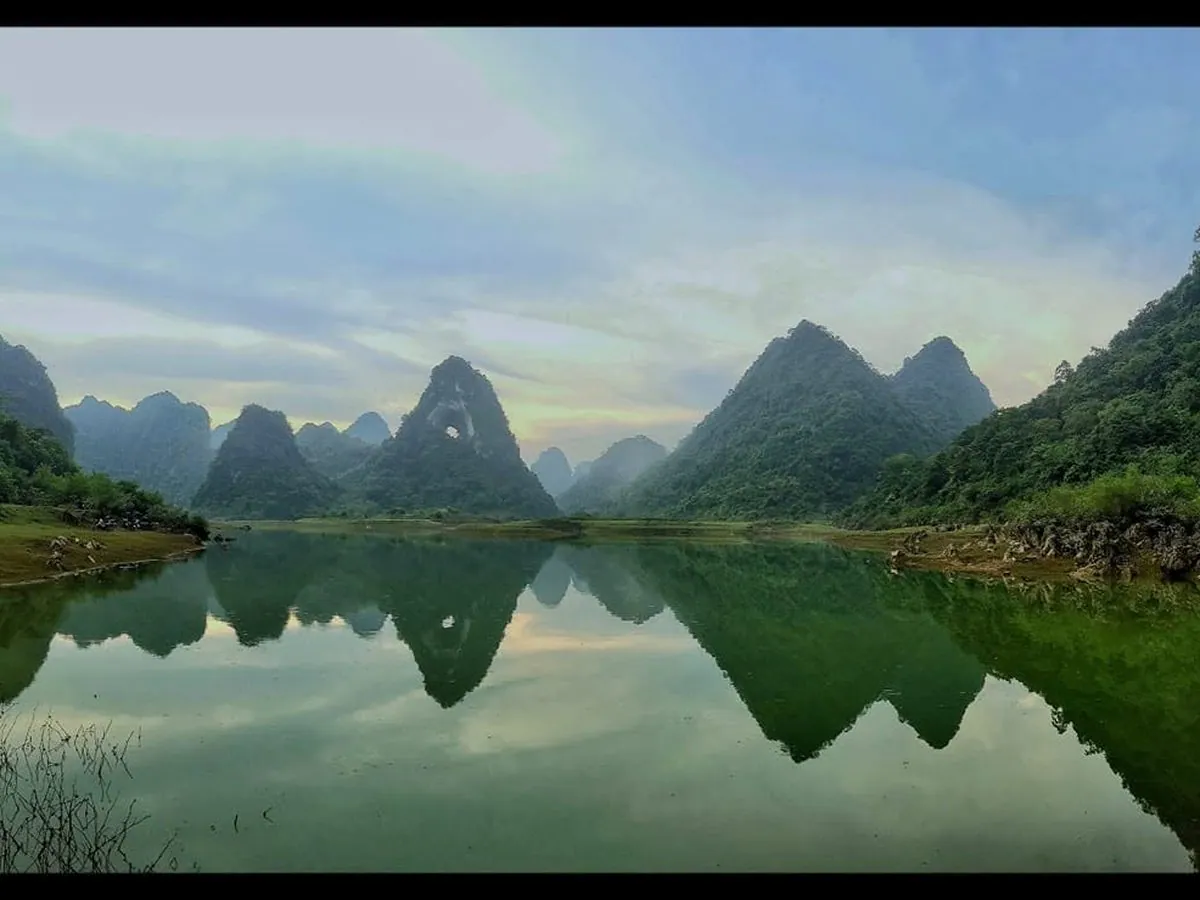
| 6 | Rainy, humid | Nam Tra lake below Mat Than mountain fills up |
| 7 | Very rainy | Ban Gioc at its most powerful; watch landslide warnings |
| 8 | Rain and sun | Peak waterfall season; rice starts to ripen late in the month |
| 9 | Cool, fine | Golden season in Phong Nam – Ngoc Con and the Hoai Khao terraces; chestnuts start to ripen |
| 10 | Cool, clear | Ripe rice and full falls; the Ban Gioc tourism festival is often held early in the month |
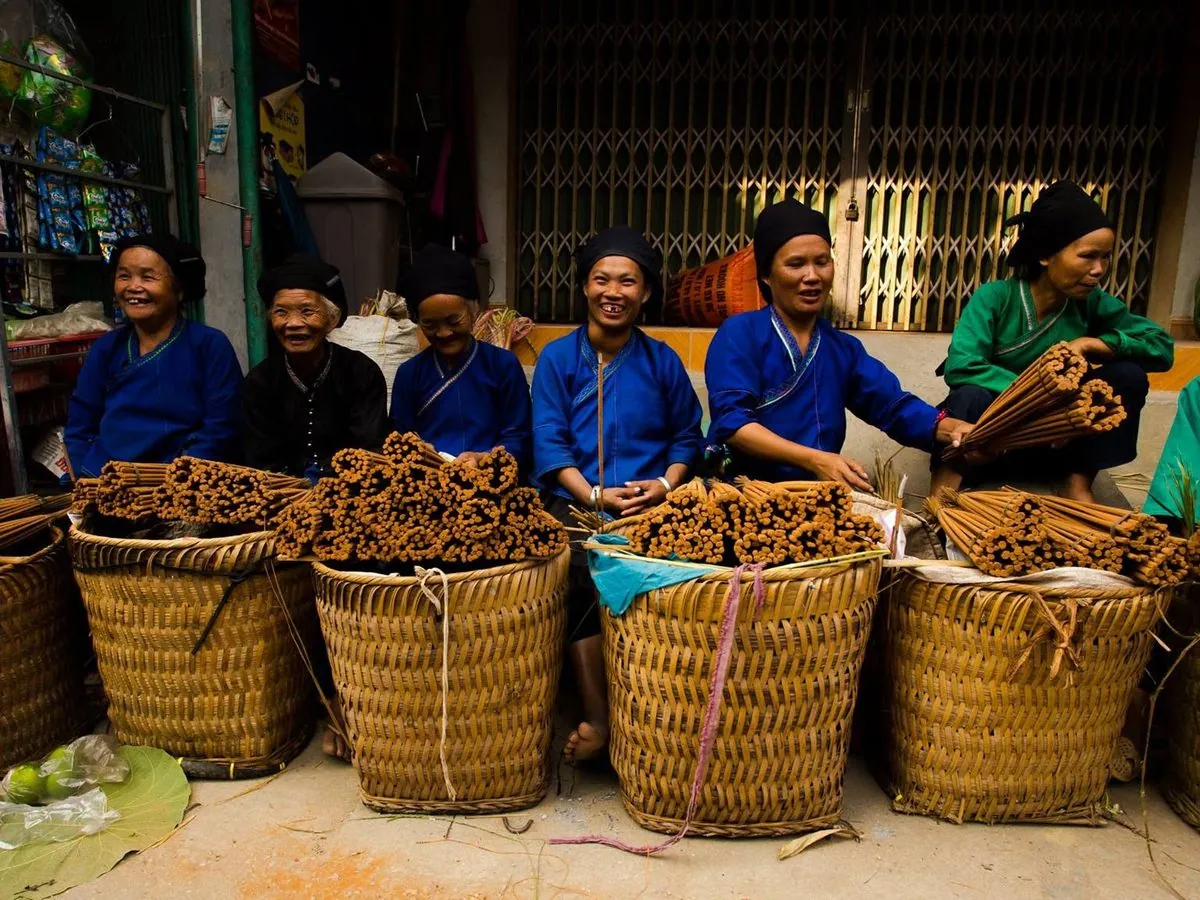
| 11 | Crisp, clear | Buckwheat flowers, Trung Khanh chestnut season, incense drying in Phia Thap |
| 12 | Cold | Cloud seas and frost on Phia Oac; red incense covering the yards of Phia Thap |
If you can only pick one season
- For waterfalls and golden rice: late August to mid-October.
- For clear skies and easy travel: November and March – April.
- For festivals and culture: the 1st to 3rd lunar months.
- For cloud seas and frost: December – January around Phia Oac.
Tip: The rice harvest shifts with the weather each year; ask your homestay host 1 – 2 weeks before you travel.
See the festival and seasons calendar
Compiled from the Non nuoc Cao Bang Geopark management, Vietnam’s official tourism portal and the press; updated October 2026. Schedules and rules can change, so check before you travel.