Do
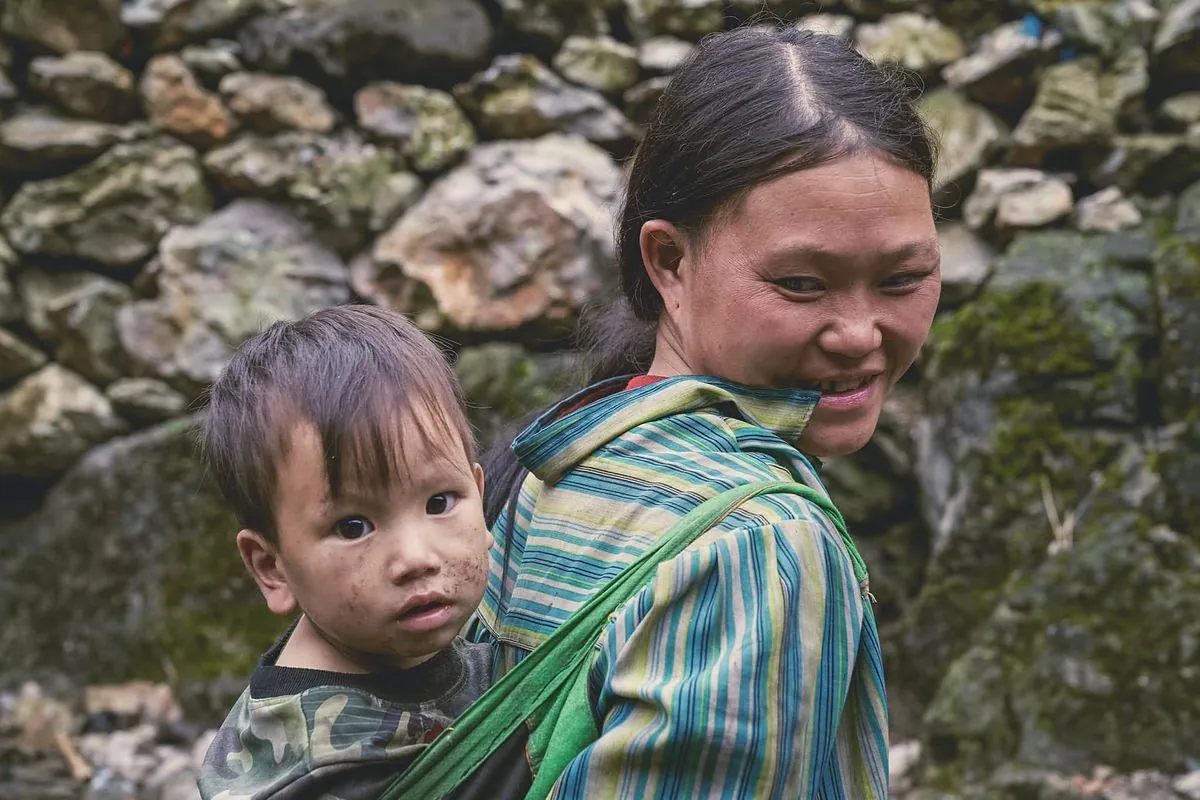
- Greet people and smile before starting a conversation or taking photos; ask with gestures if you don’t share a language.
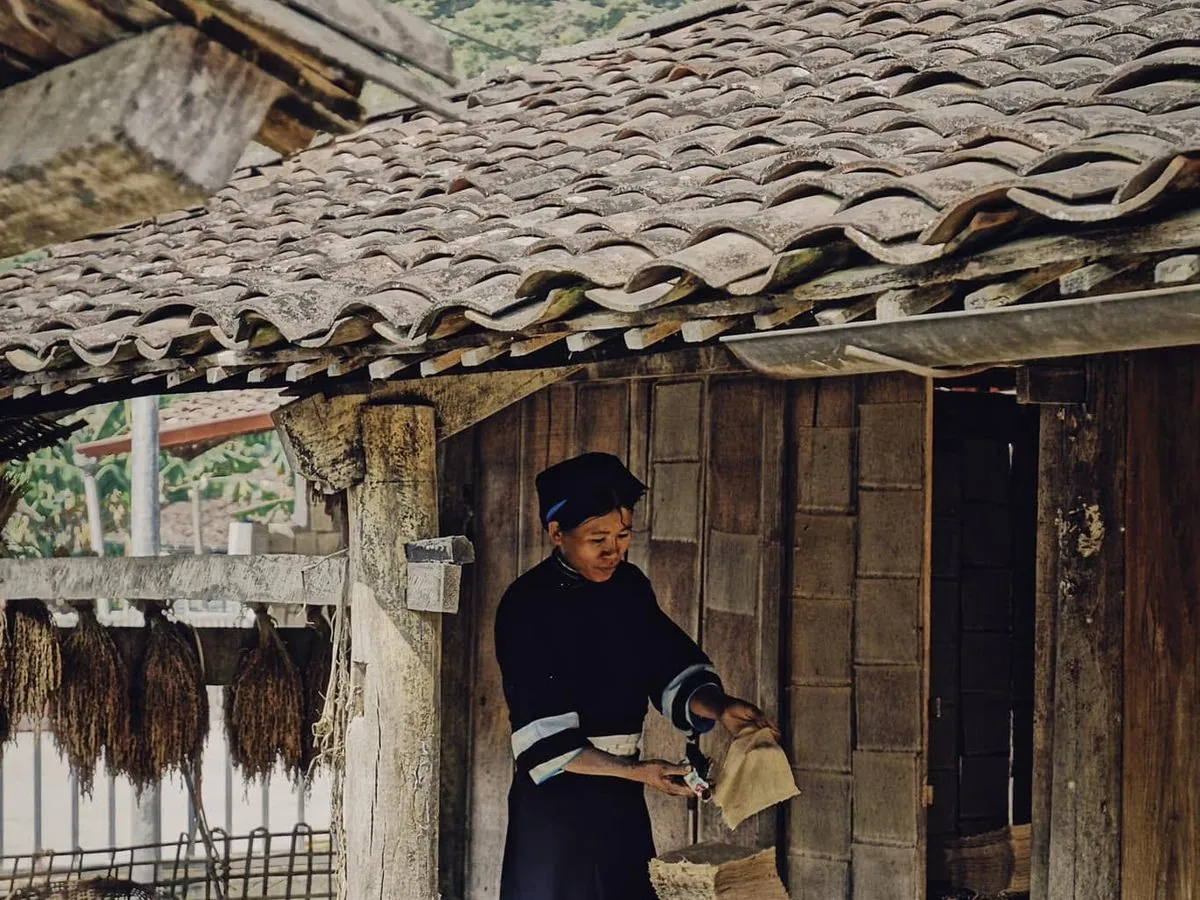
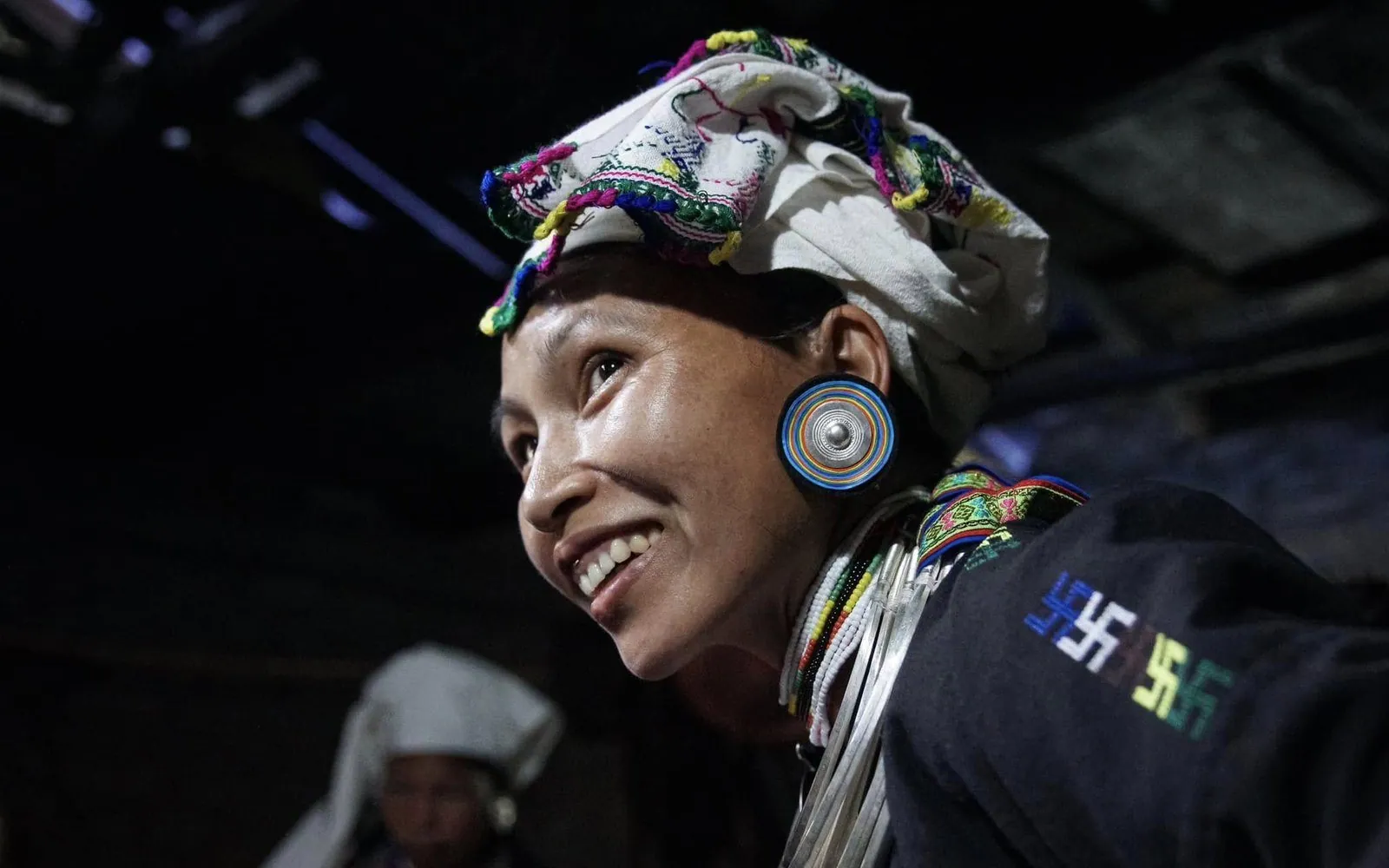
- Ask before photographing people, altars, kitchens, costumes and silverwork.
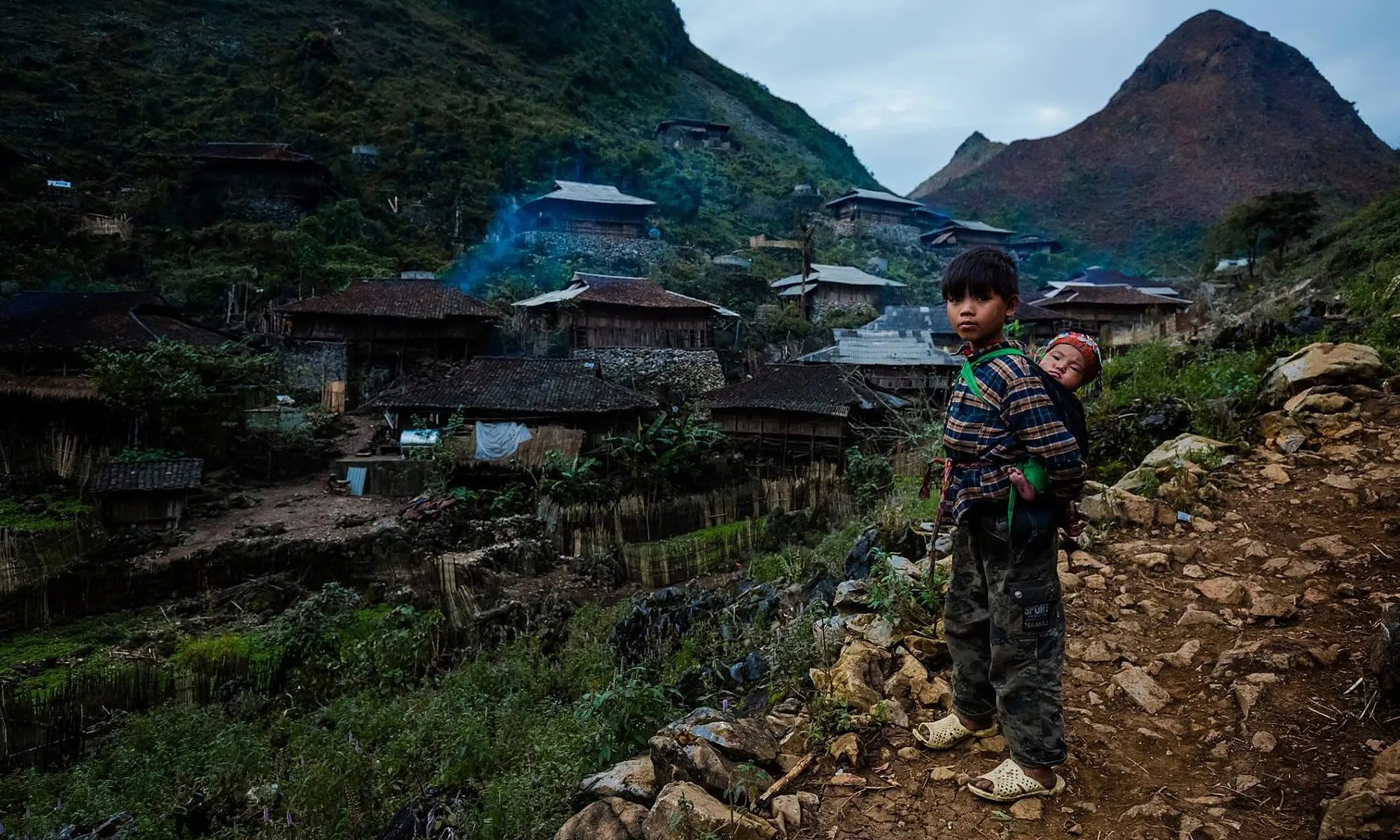
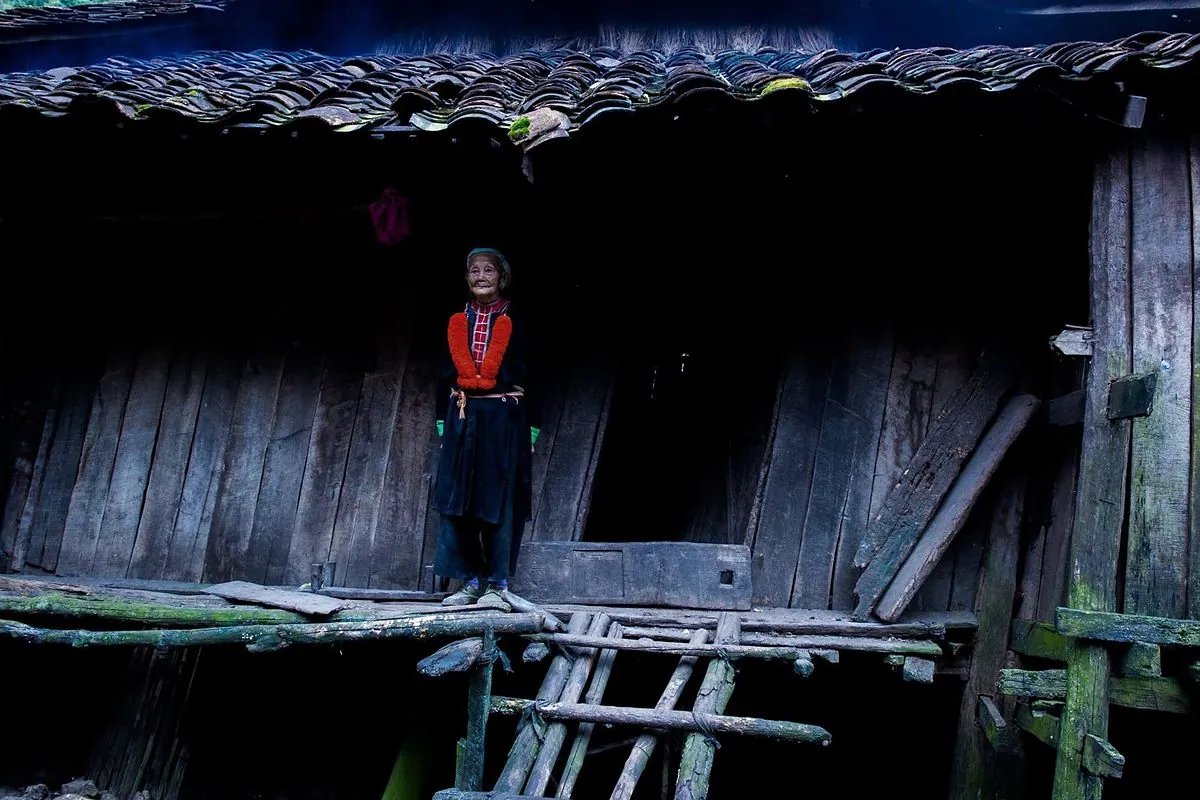
- Take off your shoes before climbing into a stilt house; many Nung An homes even have a stone trough under the eaves for washing hands and feet first.
- Buy crafts, eat meals and hire guides from the villagers themselves.
- Dress modestly in homes, temples and pagodas; keep quiet in the evening at homestays.
Don’t
- Don’t walk into houses uninvited or sit blocking the altar or the hearth.
- Don’t give children sweets or money; if you want to help, support the school or buy village products.
- Don’t fly drones over villages or border areas without permission.
- Don’t leave rubbish: carry it out of villages, caves, lakes and waterfalls.
At Lunar New Year
The Tay and Nung avoid visiting other homes on the morning of the first day of Tet and care a great deal about who first enters the house. A fresh green branch at the door means the family is not receiving guests – quietly walk on. The Nung avoid sweeping, washing clothes and giving away fire or water on the first day.
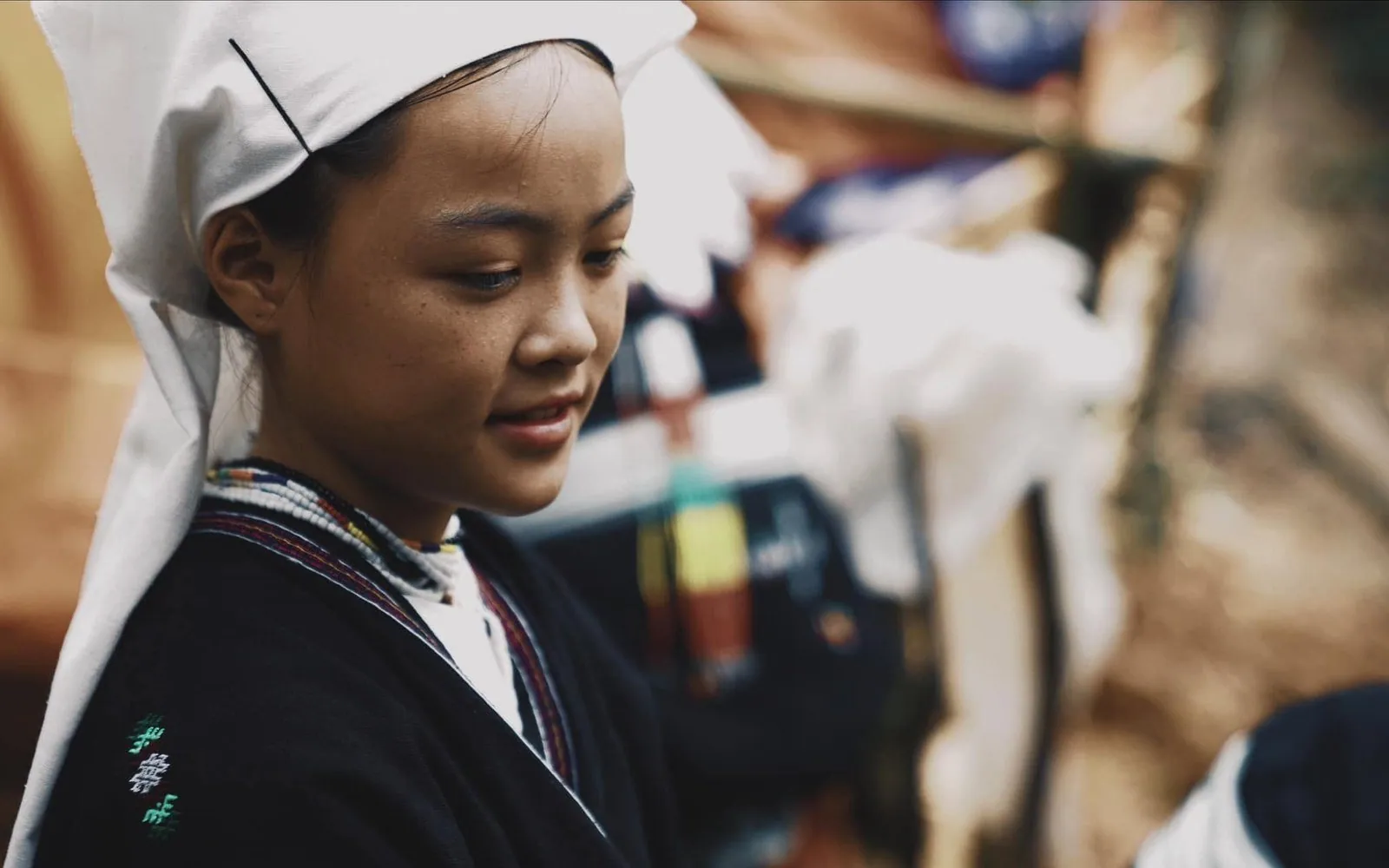 Photo: Bùi Tuấn Hùng
Staying in a homestay
Village homestays are usually stilt houses with firm mattresses and no air conditioning, sometimes sharing one large room. Bring insect repellent, warm layers and a small torch. Dinner with the family is often the highlight: try local dishes and chat with your hosts.
More on customs and traditional dress
Compiled from the Non nuoc Cao Bang Geopark management, Vietnam’s official tourism portal and the press; updated October 2026. Schedules and rules can change, so check before you travel.