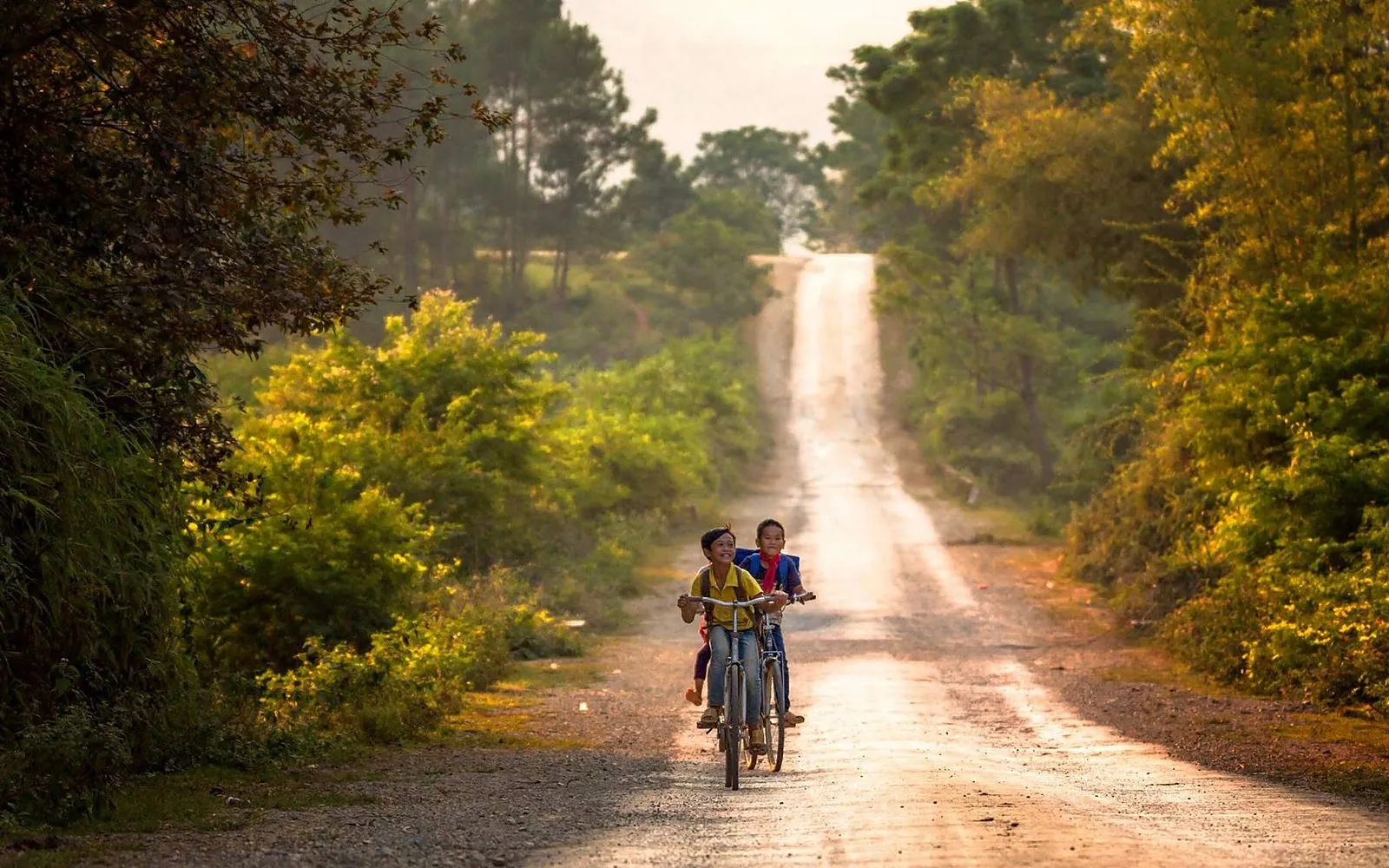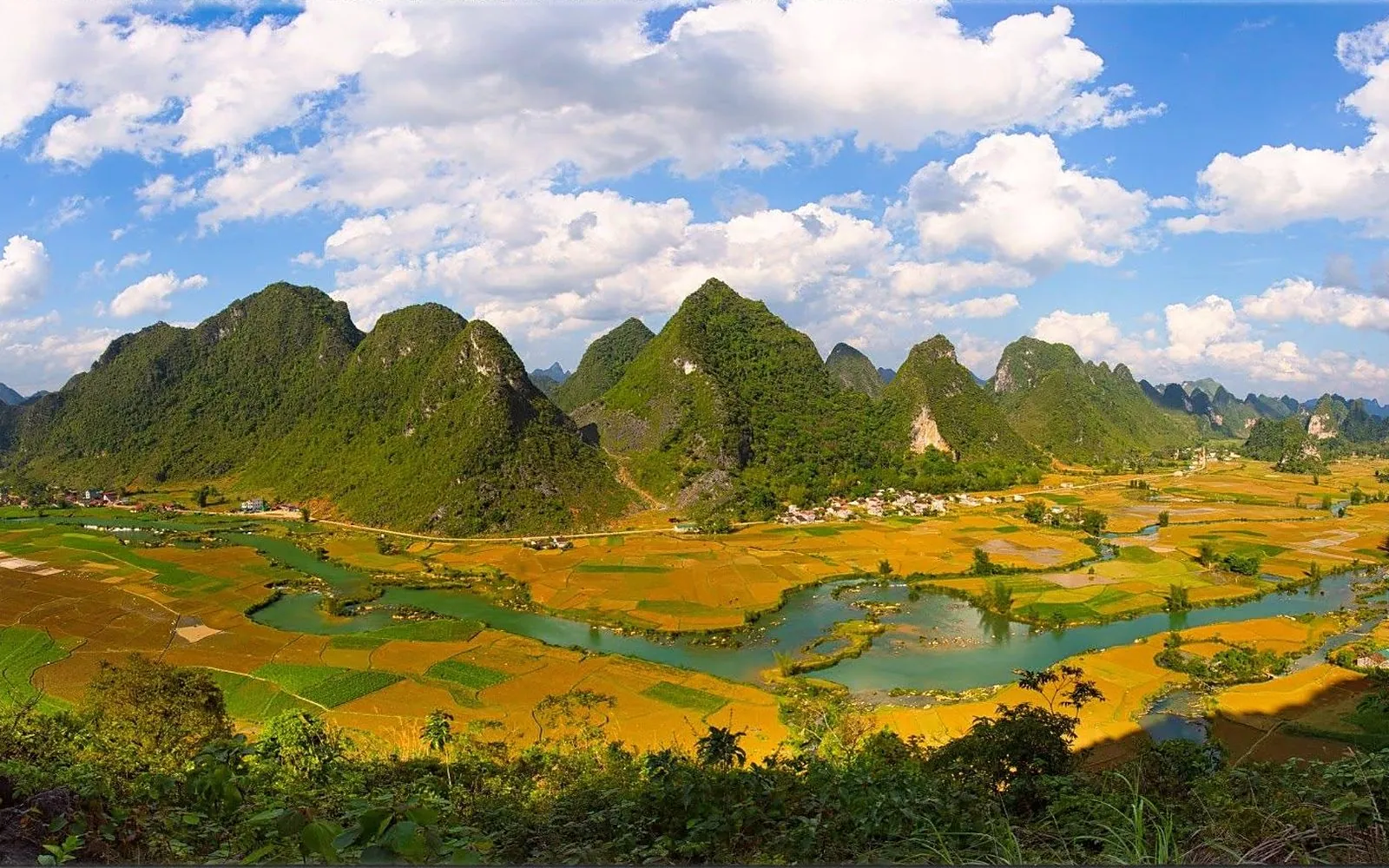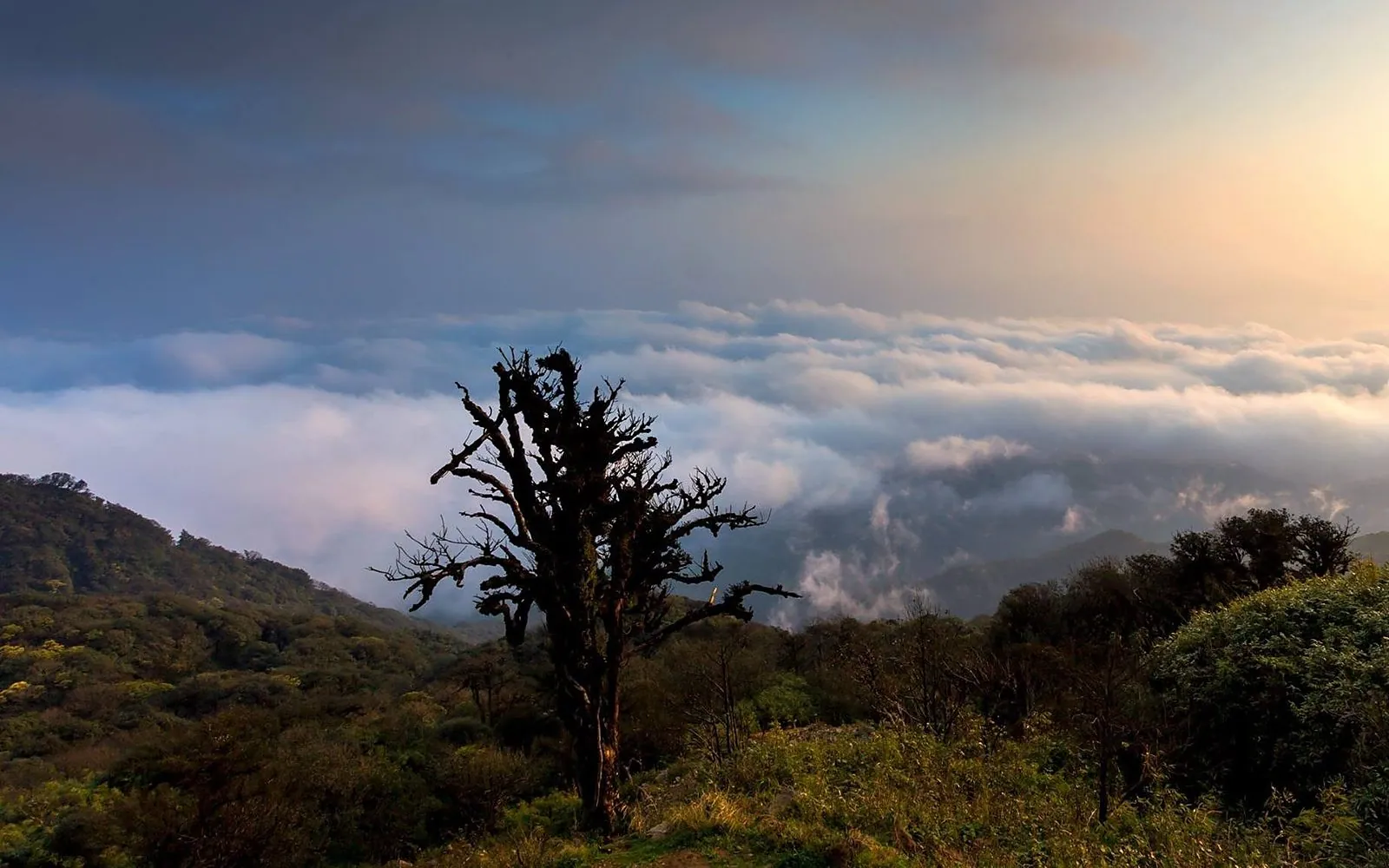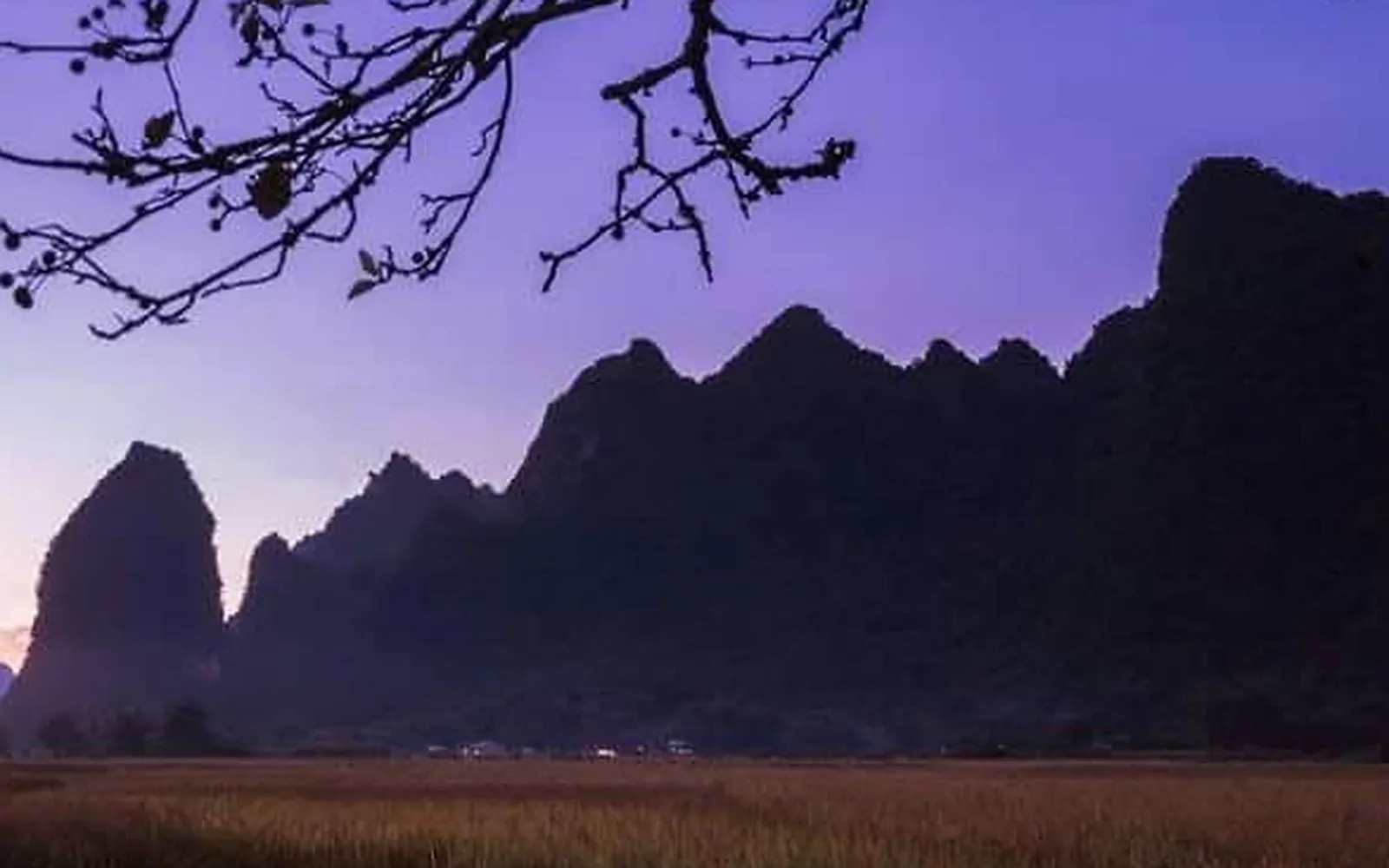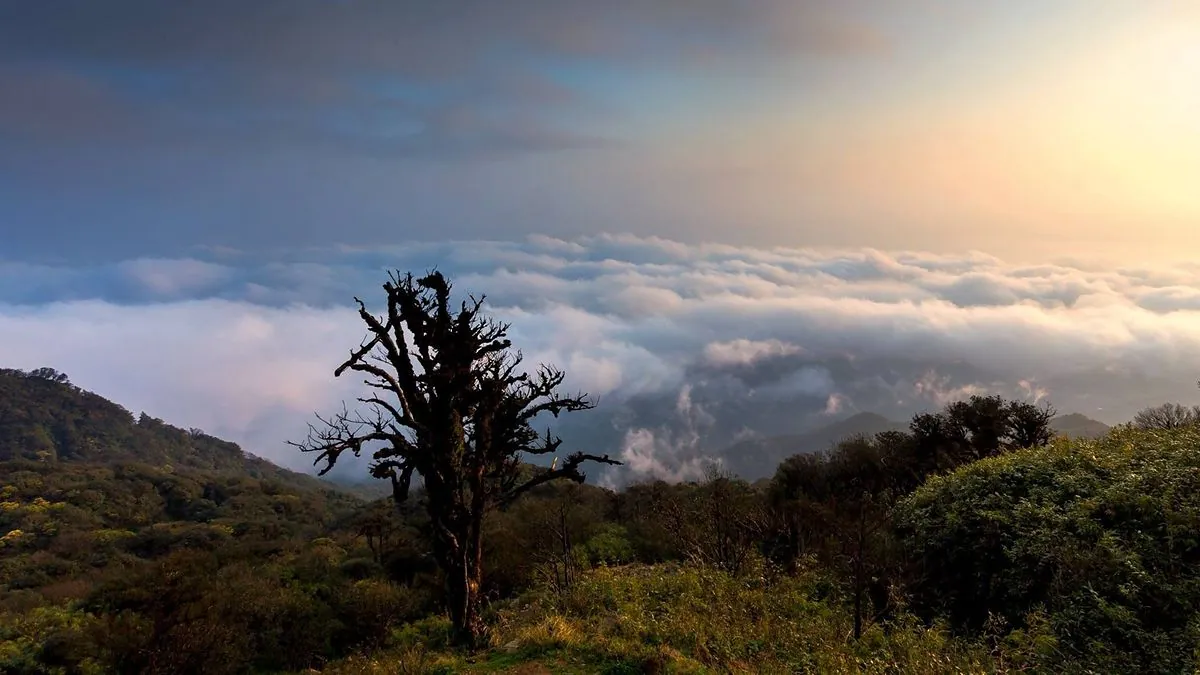

Mountain passes through limestone peaks are part of Cao Bang’s appeal. Before you take the handlebars, prepare three things: a valid licence, the right skills and a safety-first mindset.
Driving licence: a must
- Vietnamese riders: motorbikes up to 125 cc need an A1 licence; above 125 cc need class A (Law on Road Traffic Order and Safety 2024).
- Foreign visitors: carry an international driving permit (IDP) issued by a 1968 Vienna Convention country together with your valid home licence. Vietnam joined the Convention in 2014.
- IDPs issued under the 1949 Geneva Convention (for example by the USA or Canada) are not valid in Vietnam, nor are “international licences” sold online.
- Your licence must cover the vehicle you drive: to ride a motorbike it must include the motorcycle category. Always carry your passport.
Tip: Riding without a valid licence can mean fines and having the bike impounded, and many travel insurance policies will refuse to pay out after an accident. Check your policy before you go.
Three rules with no exceptions
- No alcohol: Vietnamese law bans driving with any alcohol in your blood or breath – not even one drink.
- Wear a properly fastened helmet, rider and passenger alike.
- Keep right, follow speed limits and signs, and never carry more passengers than allowed.
Skills for mountain passes
- Get used to your bike on flat roads in the provincial centre first; if you have never ridden a manual bike on slopes, don’t learn in Cao Bang.
- On long descents, shift down and brake gently and evenly on both wheels rather than braking constantly.
- On blind bends, slow down, keep right and sound your horn; watch for trucks and coaches swinging wide.
- Look out for gravel, mud, livestock and children on village roads.
- Stop for photos only where there is a wide shoulder and good visibility, never in the middle of a pass; Ma Phuc Pass has no designated viewpoint lay-by yet.
- Ride only 2–3 hours a day, rest every 1–2 hours and never ride after dark.
Weather and preparation
- The rainy season runs from June to September: roads get slippery and landslides can follow heavy rain. Check the forecast and postpone pass sections in heavy rain or thick fog.
- Early mornings and evenings can drop to 15–16°C; Phia Oac is misty from December to March, sometimes with frost. Pack warm layers, rain gear and gloves.
- Fill your tank before setting off, as petrol stations are few along the way.
- When renting: check brakes, tyres, lights and horn, photograph the bike’s condition and get a certified helmet.
- Share your route with your host or family and save the emergency numbers: 113 (police), 114 (fire and rescue), 115 (ambulance).
No licence, or new to mountain roads?
You can still enjoy Cao Bang to the full: ride pillion with an experienced local driver (easy rider), hire a car with a driver, take provincial buses or join a tour with a licensed travel company. Safer – and you gain a guide who knows the villages.
Find travel and transport companies on our Partners page
See our independent travel guide
Sources: Law on Road Traffic Order and Safety 2024 (in force from 1 January 2025); Dai bieu Nhan dan newspaper (17 Feb 2024) on the 1968 Vienna Convention; Vietcetera (28 June 2026); VnExpress Cao Bang travel guide (updated 5 Jan 2026); Sai Gon Giai Phong newspaper (3 Feb 2024).
Compiled from the Non nuoc Cao Bang Geopark management, Vietnam’s official tourism portal and the press; updated October 2026. Schedules and rules can change, so check before you travel.