VisitCao Bằng
Culture & Food

What to do

Culture & Food

The tinh lute, field festivals, handcrafts and dishes found only in the Cao Bang highlands.

Keepers of tradition

Cao Bang is home to many ethnic groups: Tay, Nung, Hmong, Dao, San Chay, Lo Lo, Kinh and more. The Tay and Nung are the majority, shaping the region’s stilt houses, Then songs, markets and cuisine.

Then singing & the tinh lute

Then singing & the tinh lute

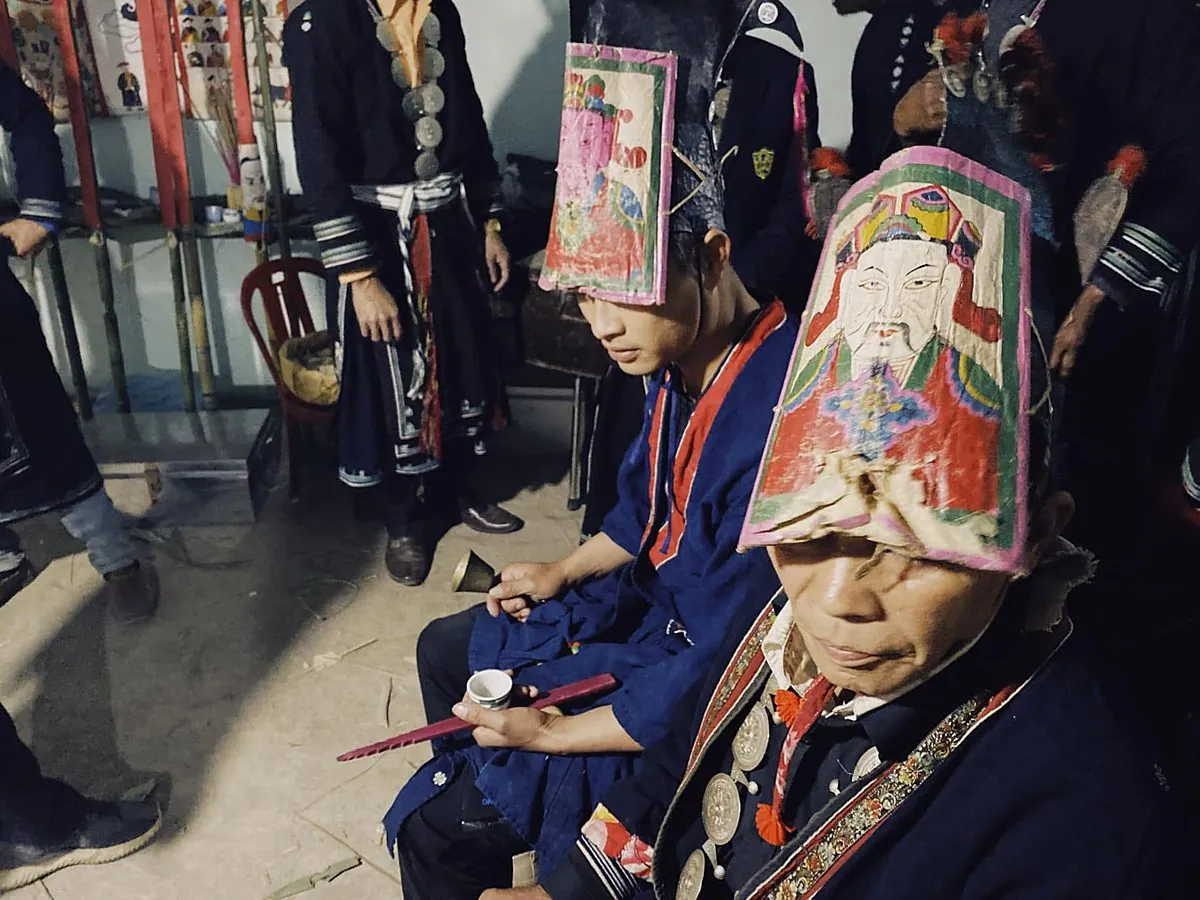
Then is a ritual and folk art of the Tay, Nung and Thai peoples. In 2019, “Practices of Then by Tay, Nung and Thai ethnic groups in Viet Nam” was inscribed by UNESCO on the Representative List of the Intangible Cultural Heritage of Humanity. The gourd-bodied tinh lute is the sound of every Cao Bang village.
Long Tong festival

Long Tong festival

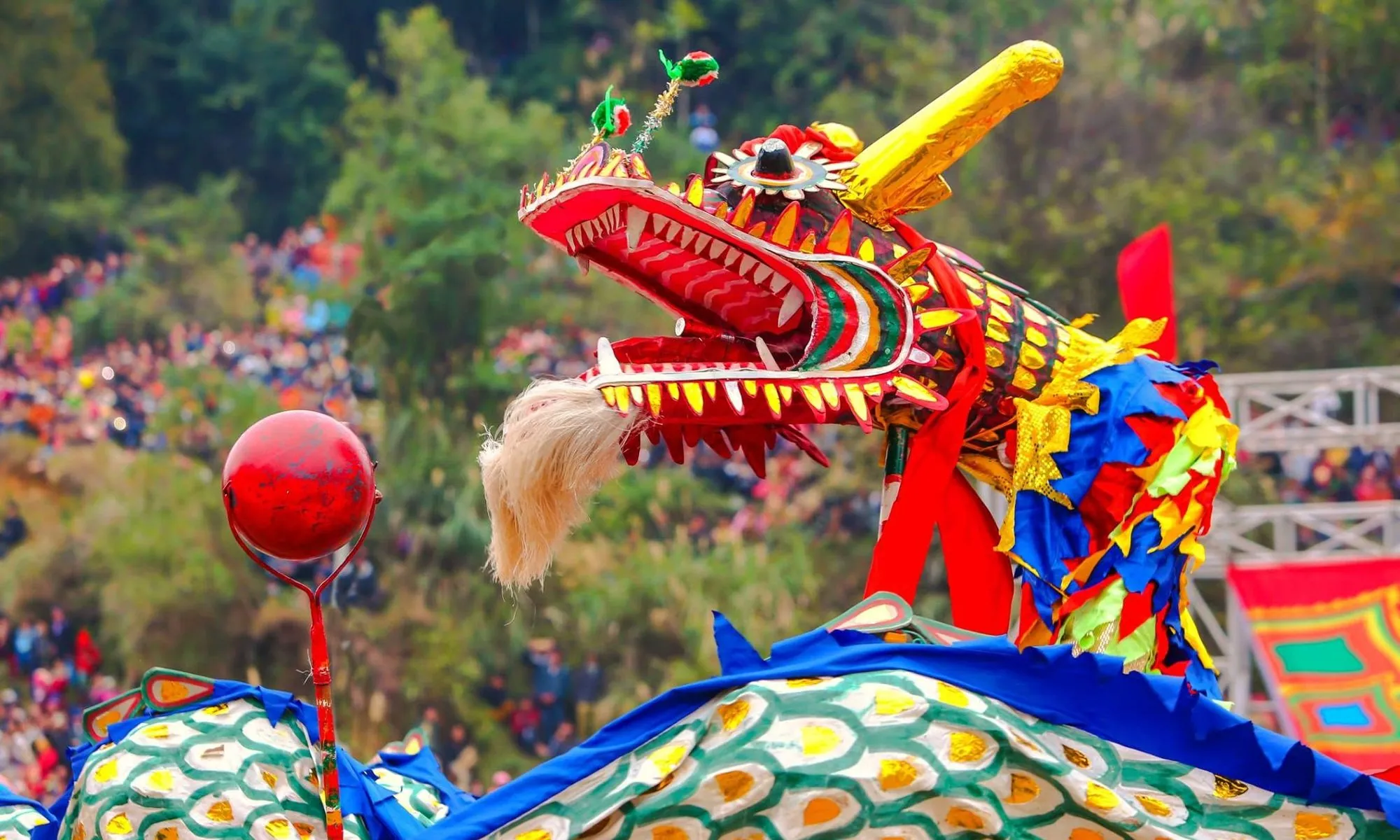
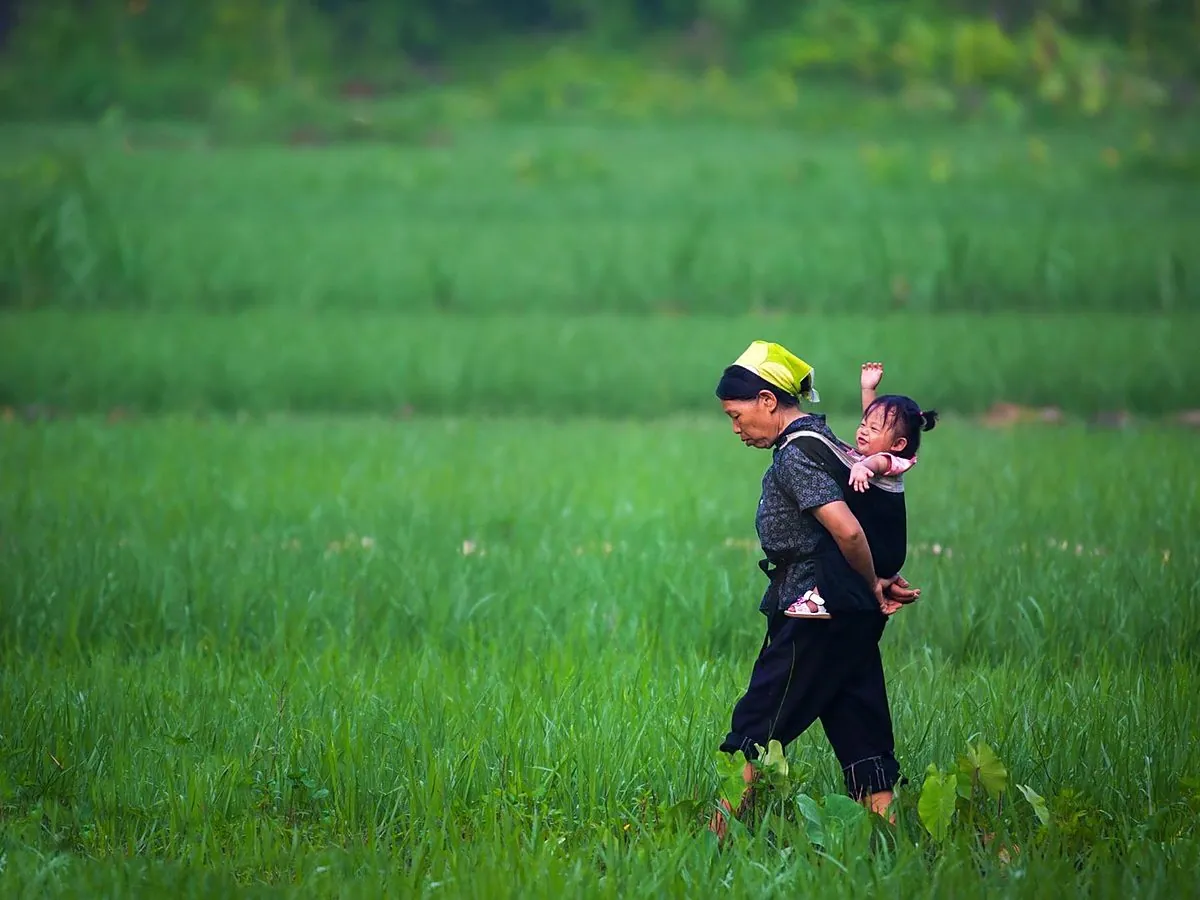
The Tay and Nung “going to the fields” festival in the first lunar month: prayers for a good harvest, with con-ball throwing, tug of war, lion dances and Then, Sli and Luon songs.

Traditional craftsTraditional craftsTraditional craftsTraditional craftsTraditional crafts

Traditional crafts

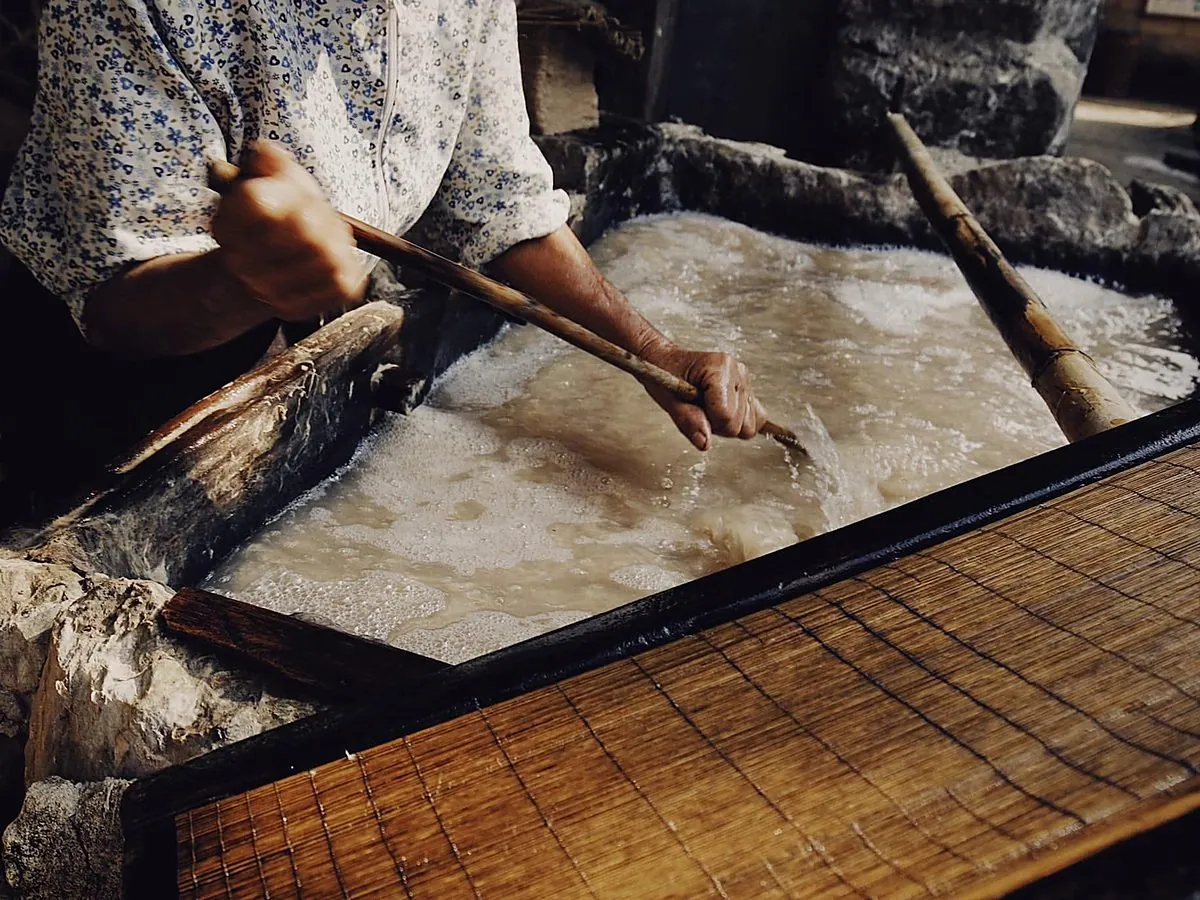
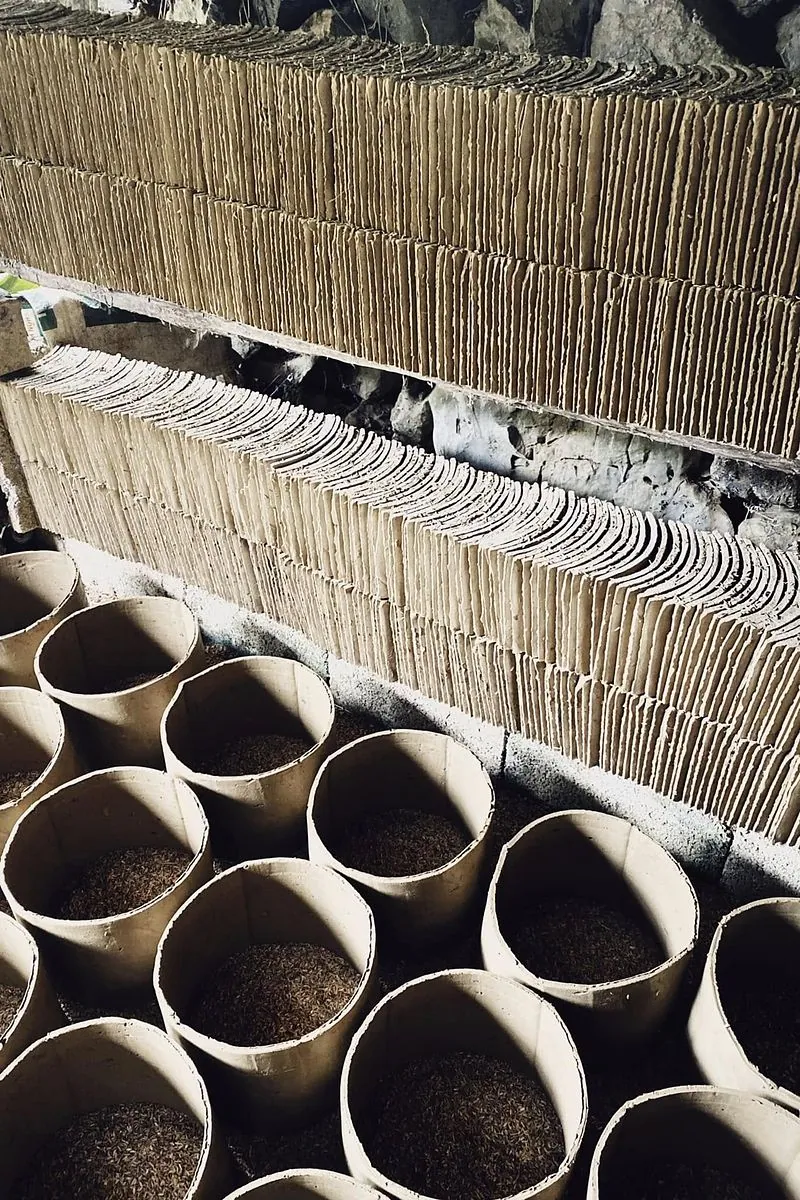
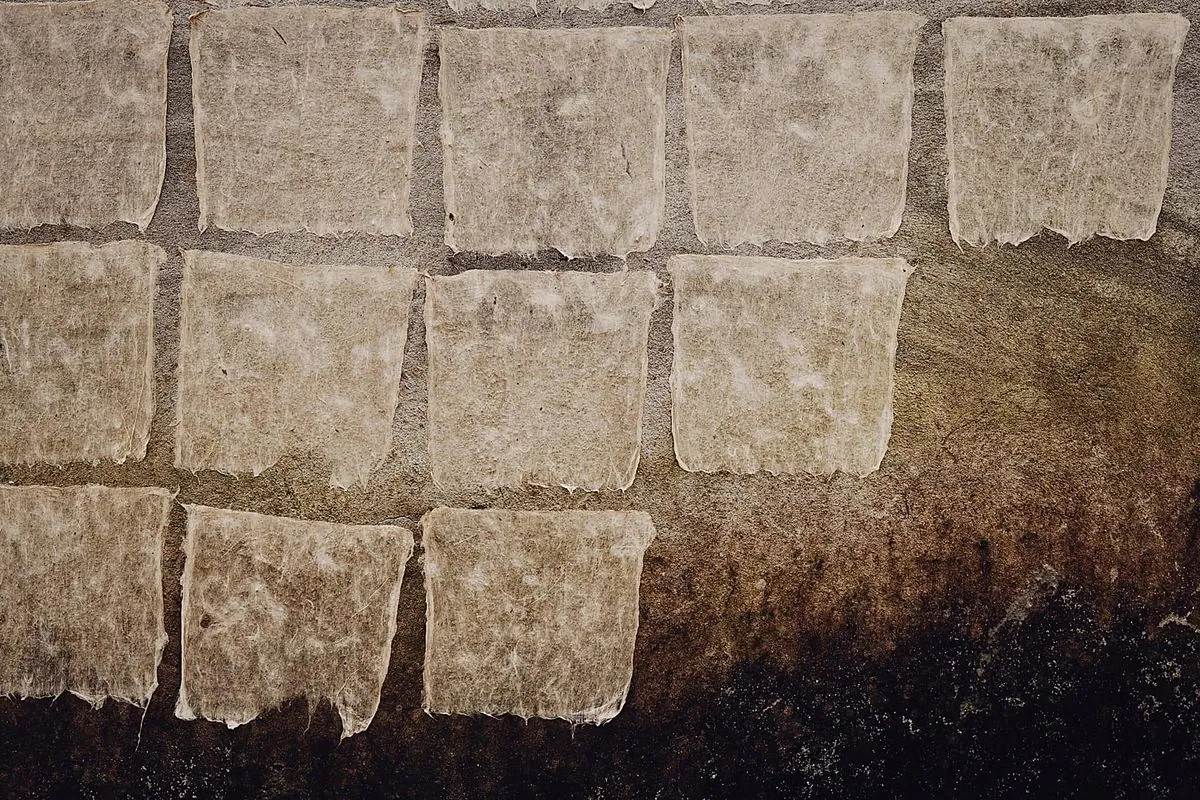
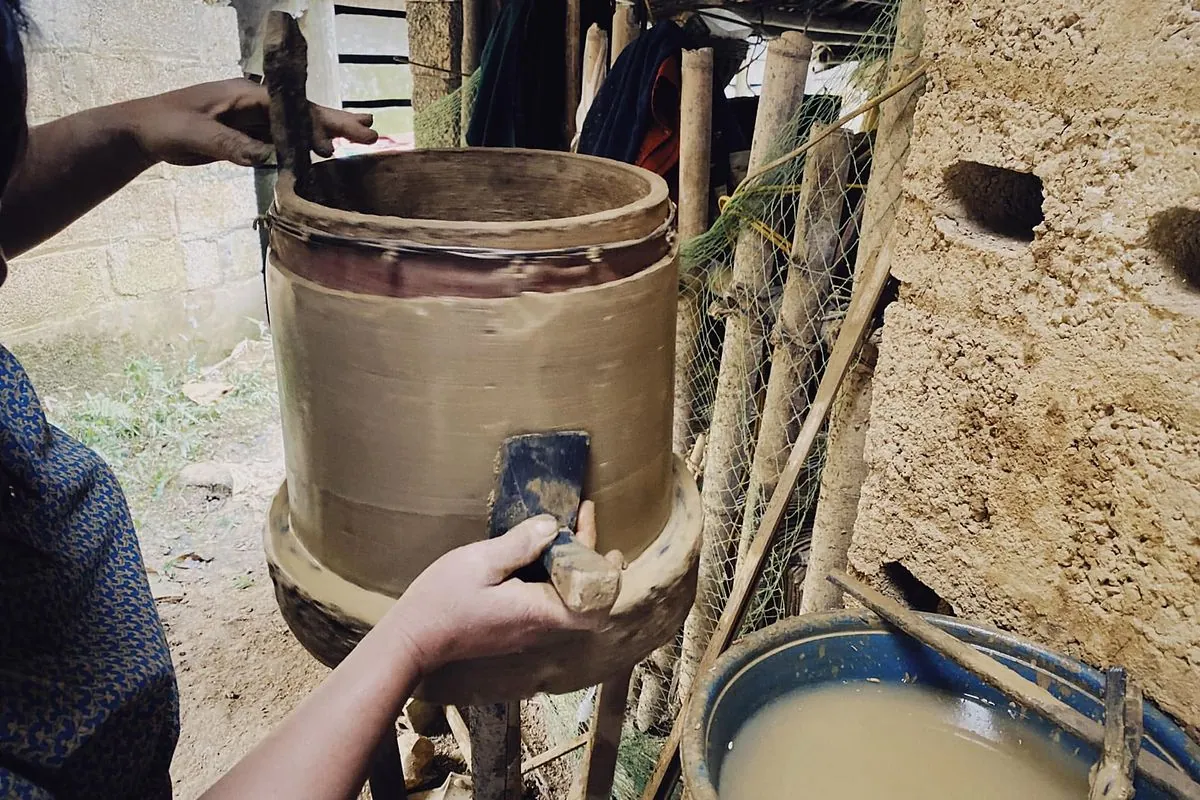
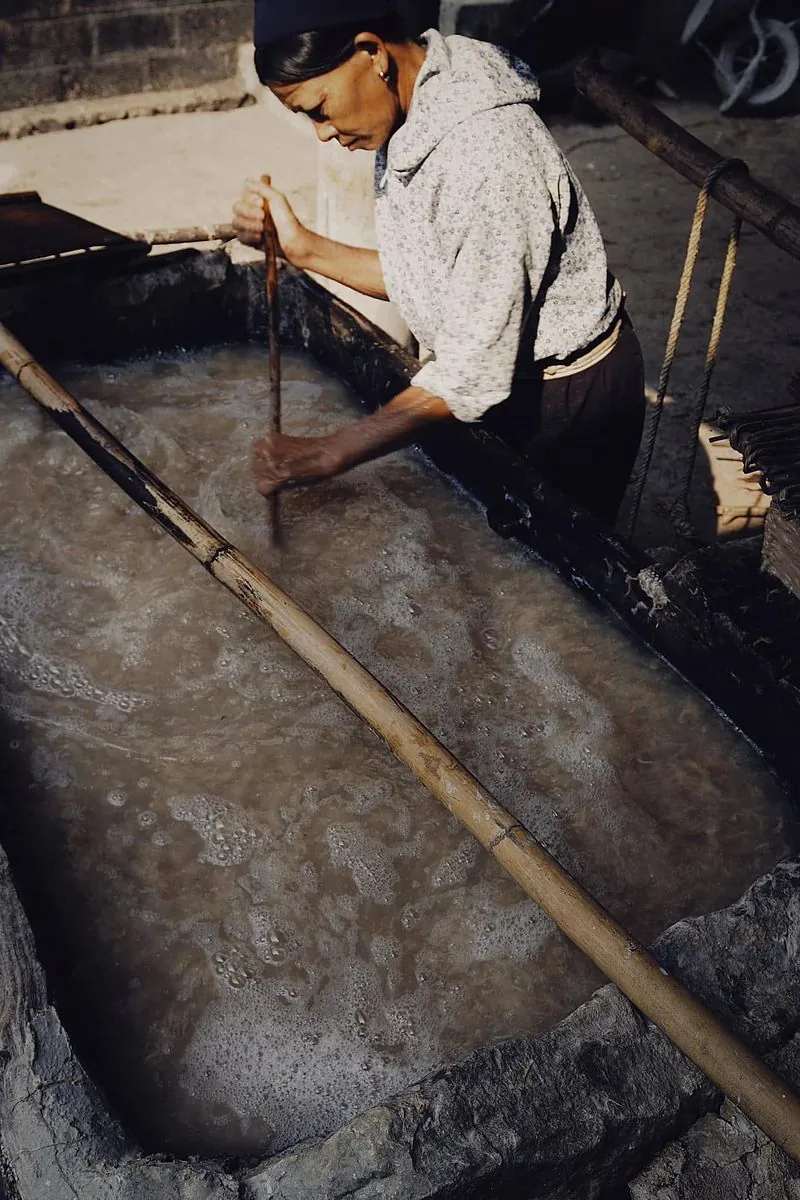
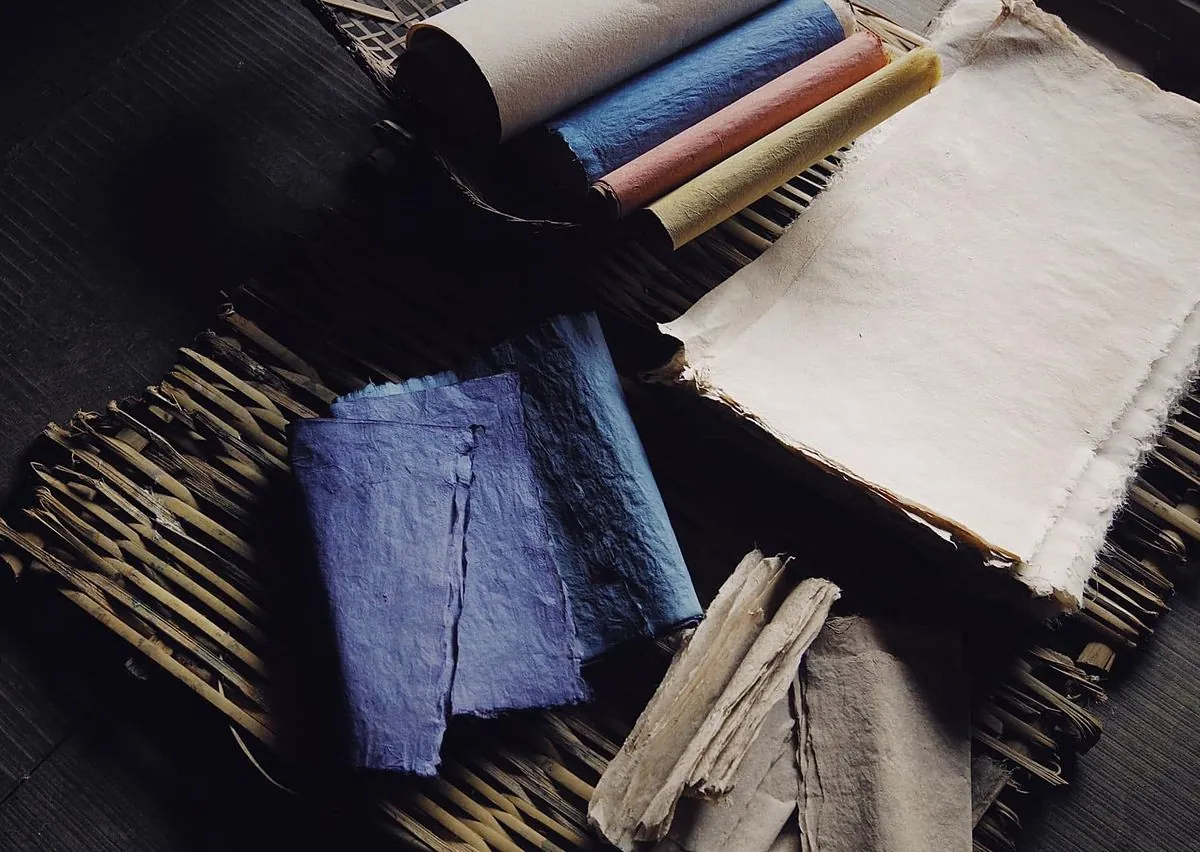
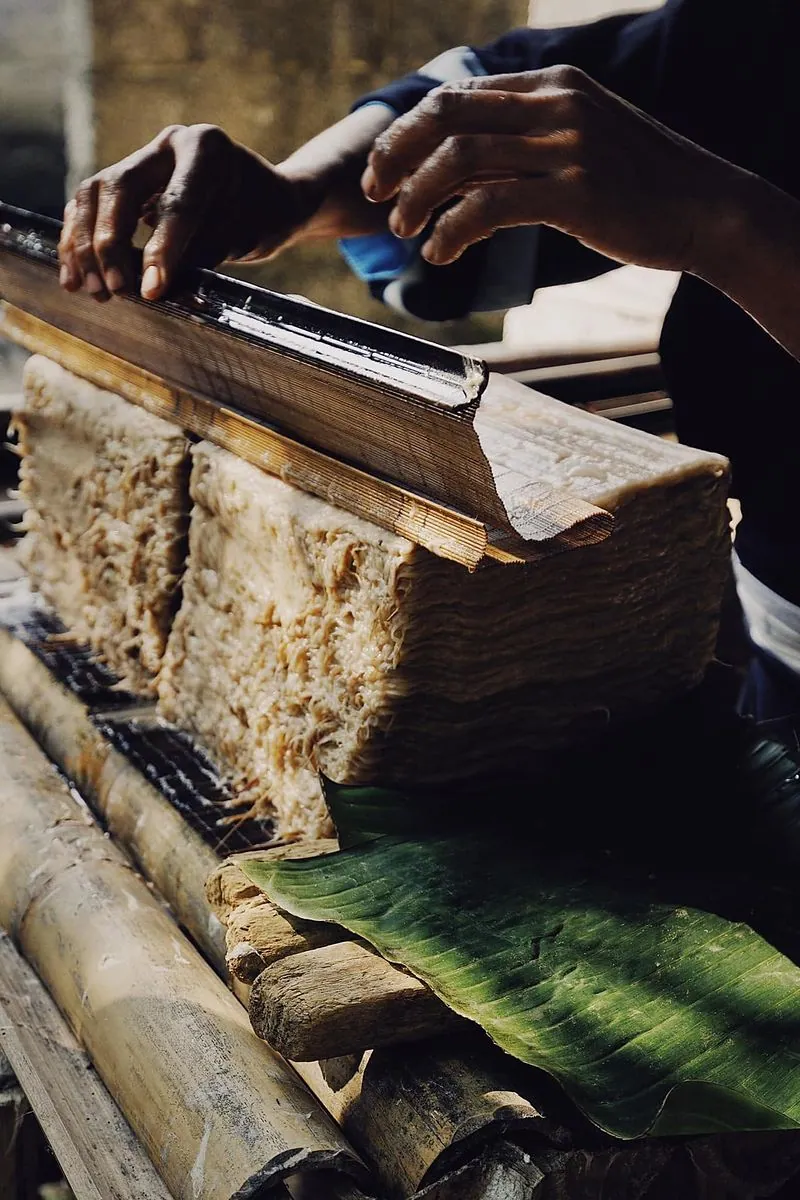
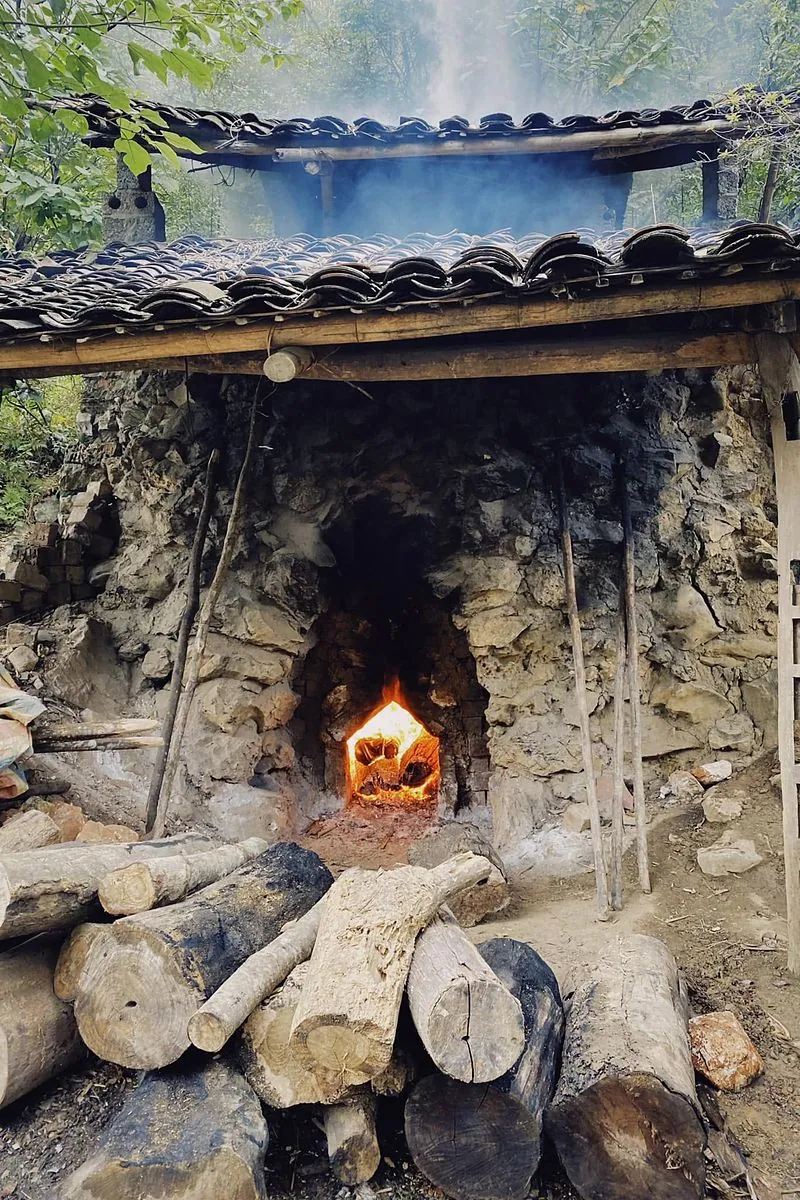
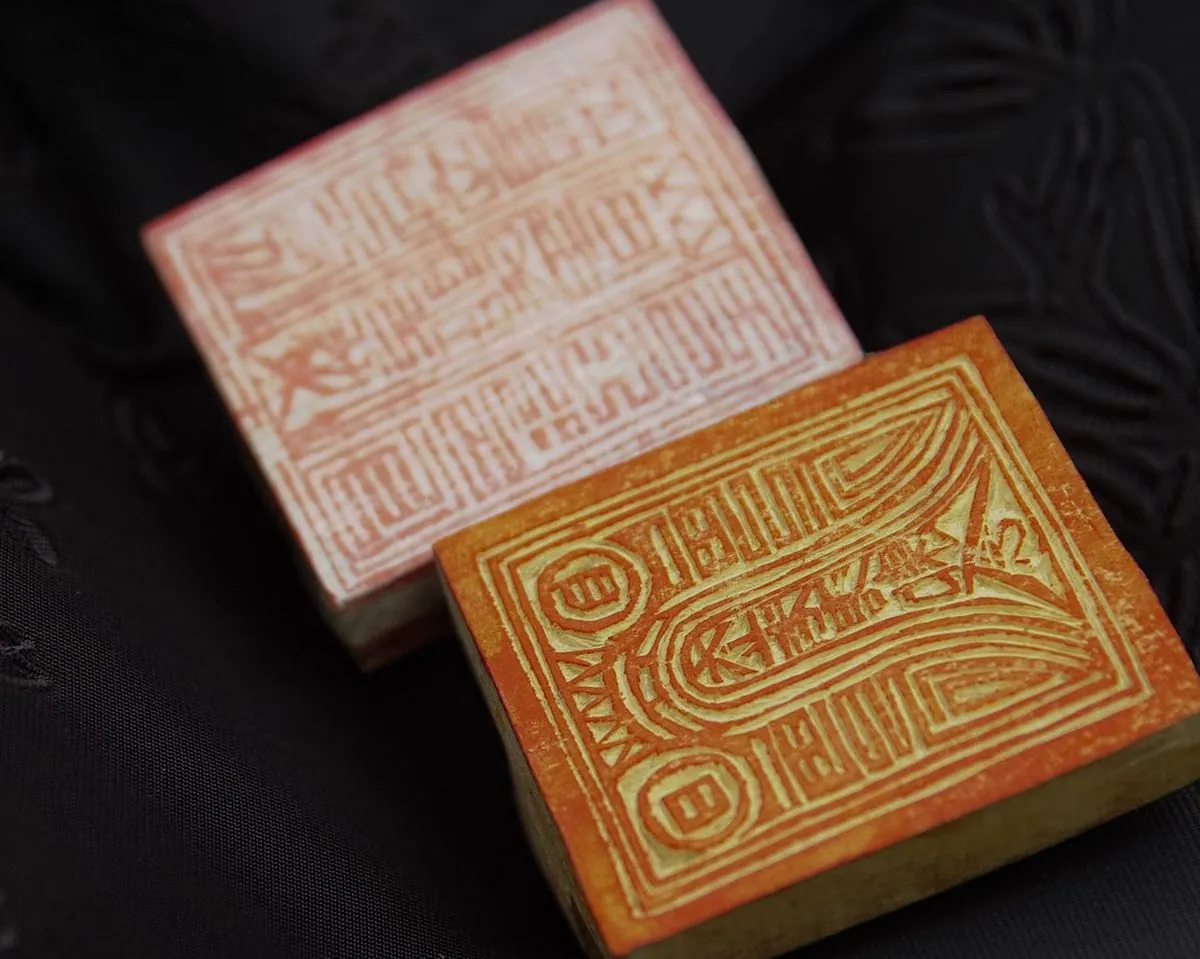
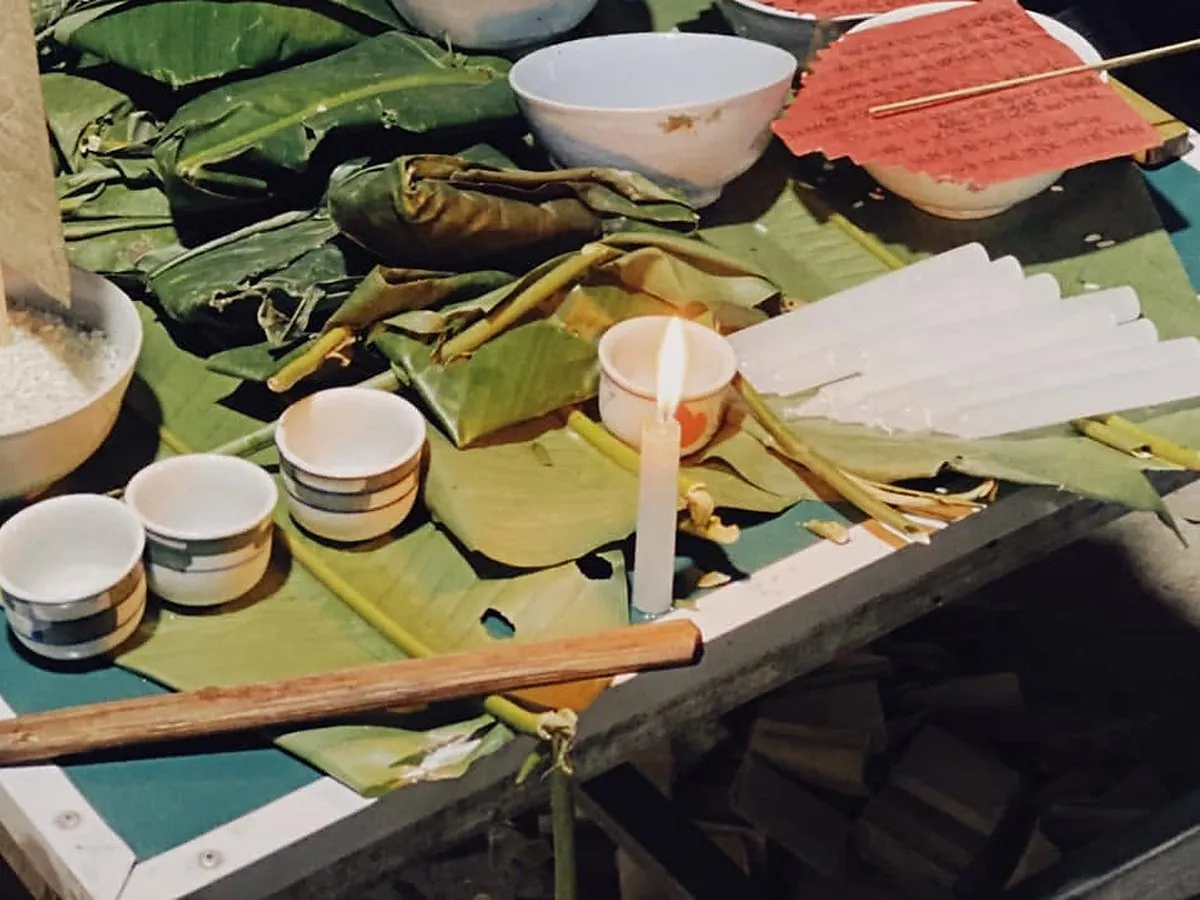
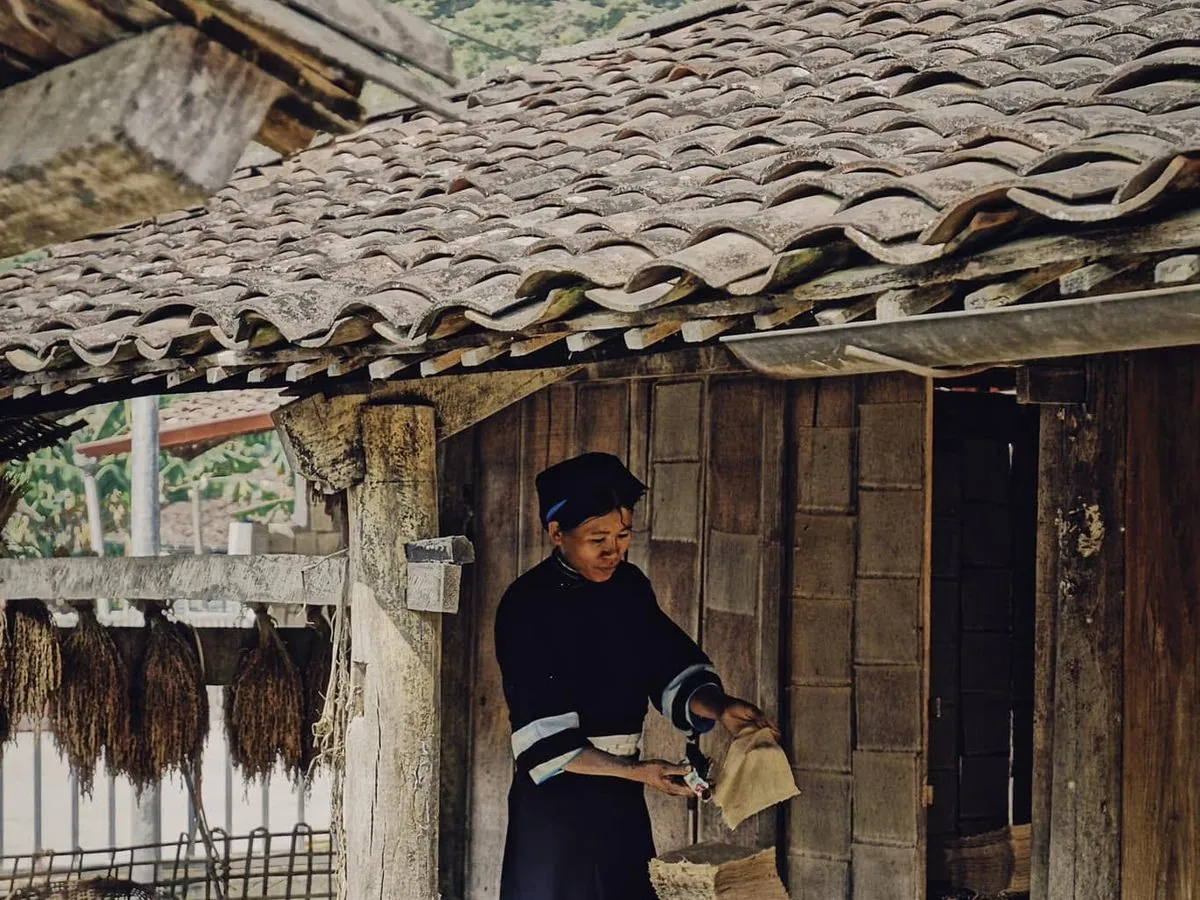
Handmade incense in Phia Thap, forged tools in Phuc Sen, Dao Tien paper, brocade weaving and indigo dyeing, kept alive over generations.

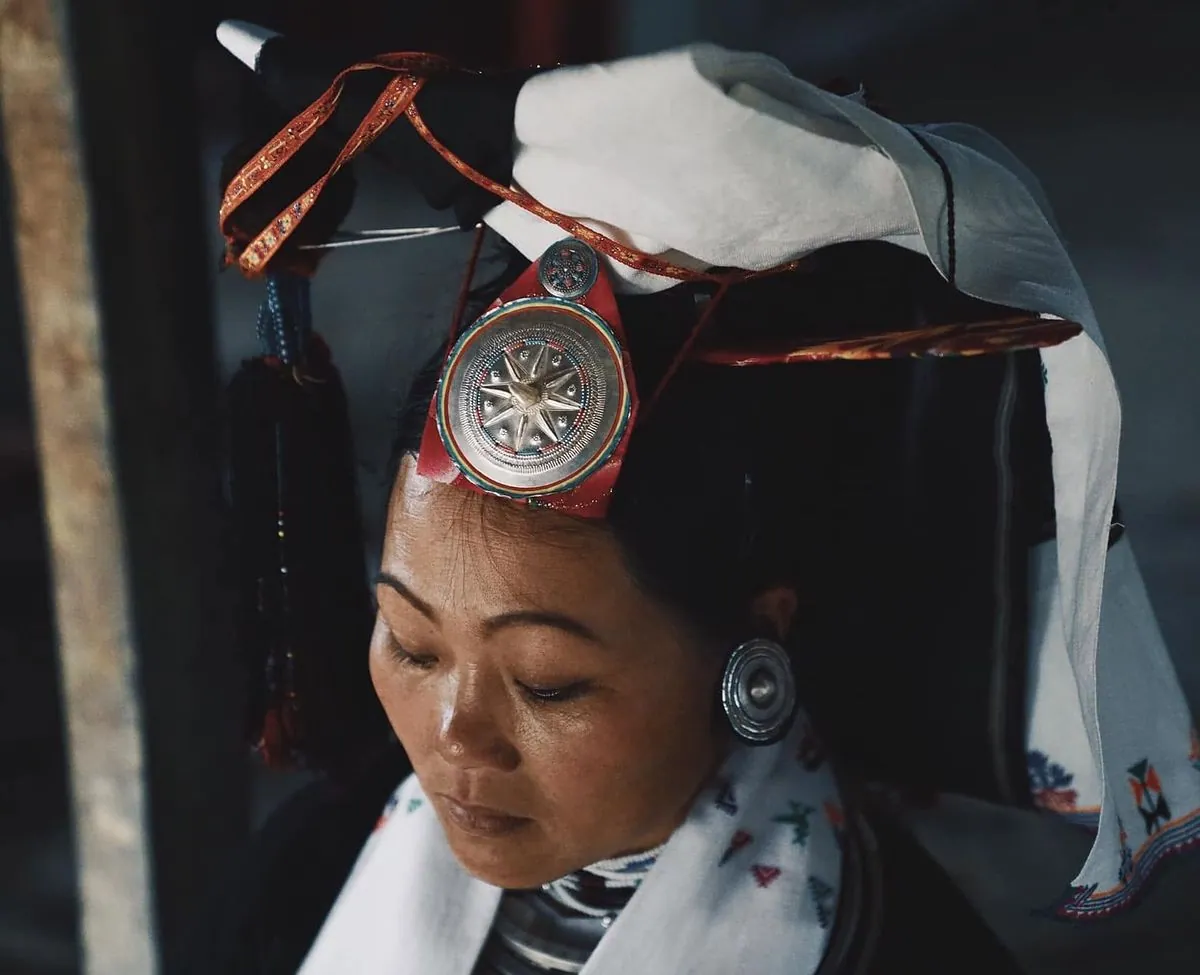
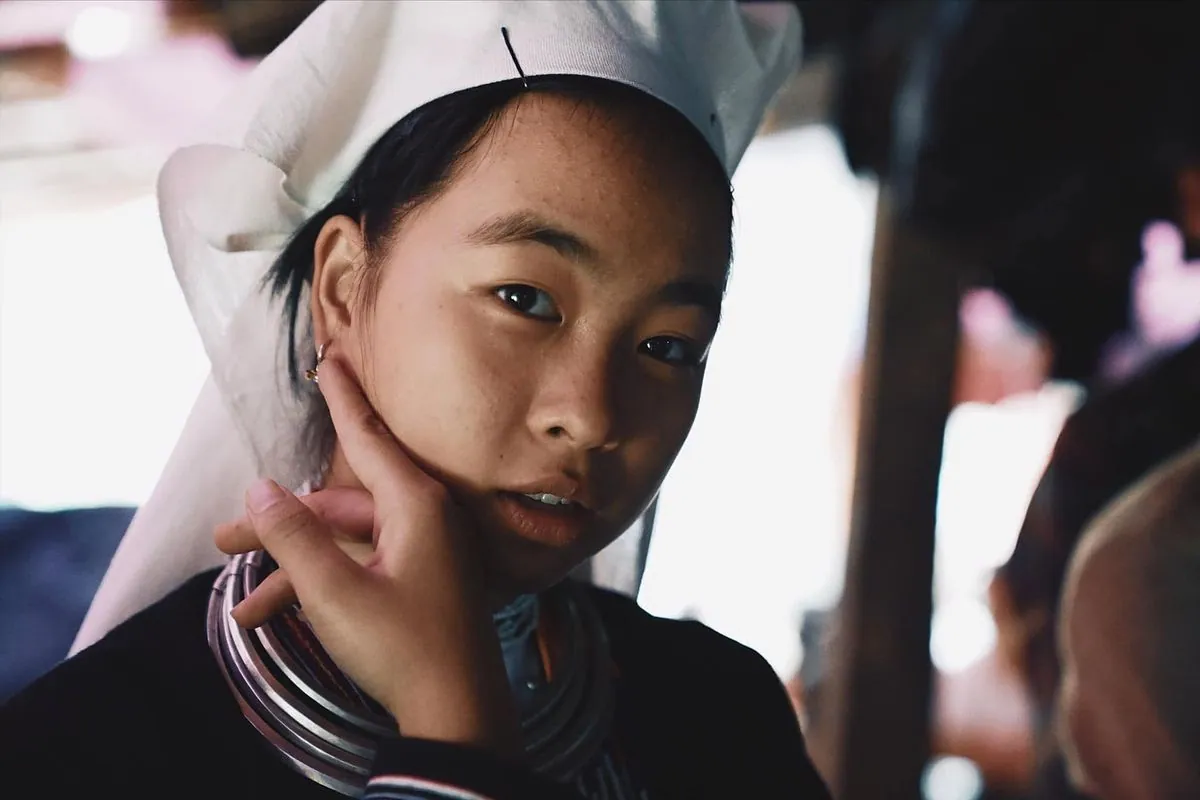
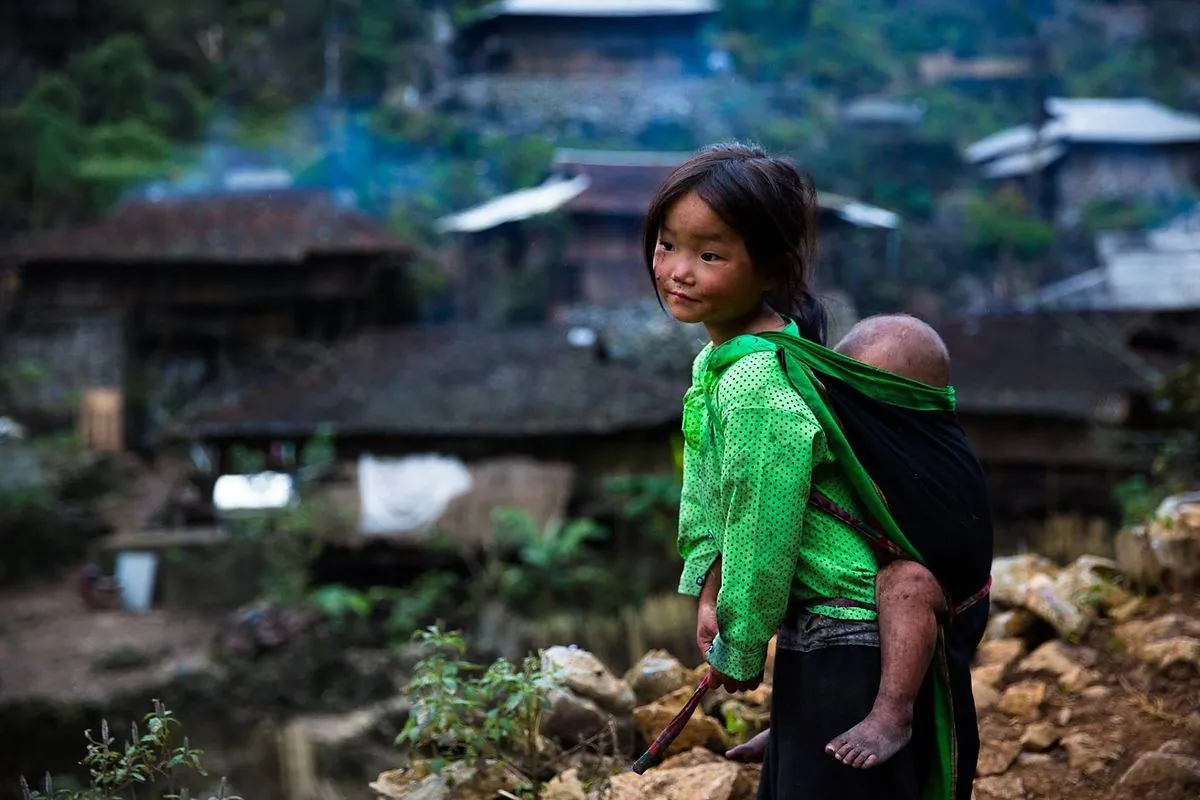
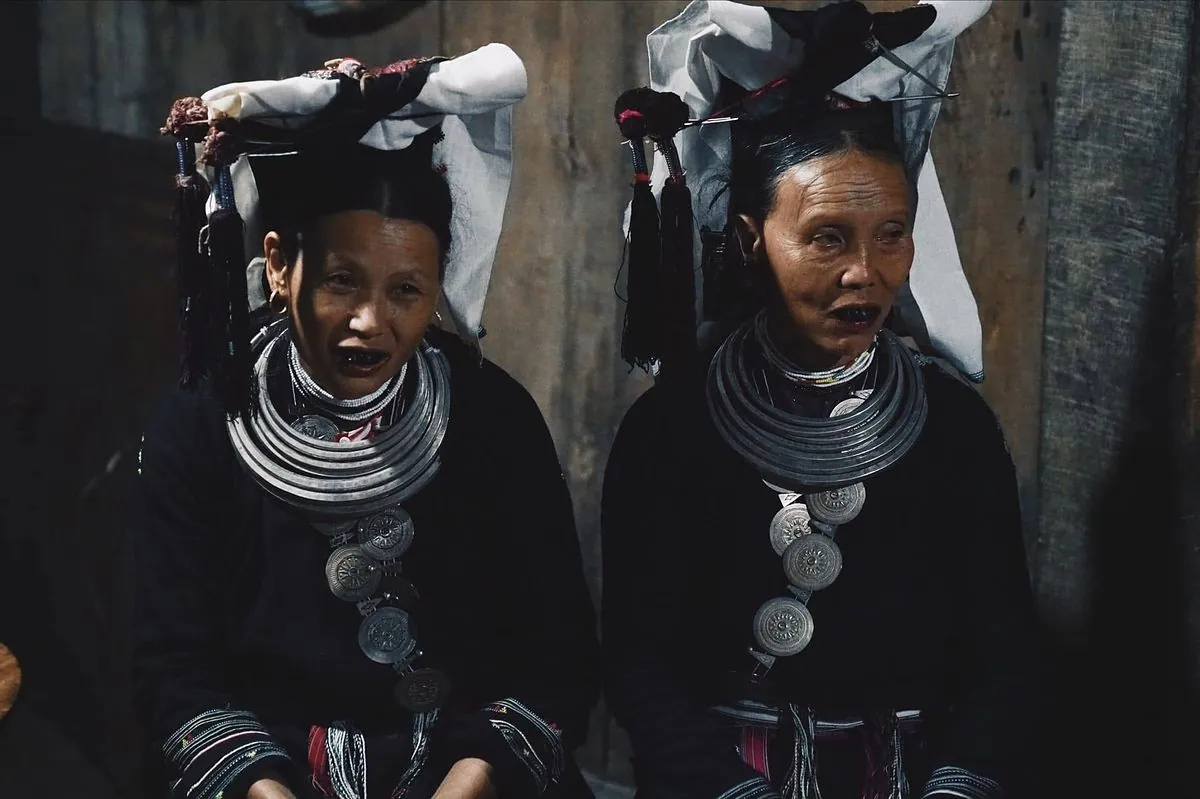
Cao Bang through the lens

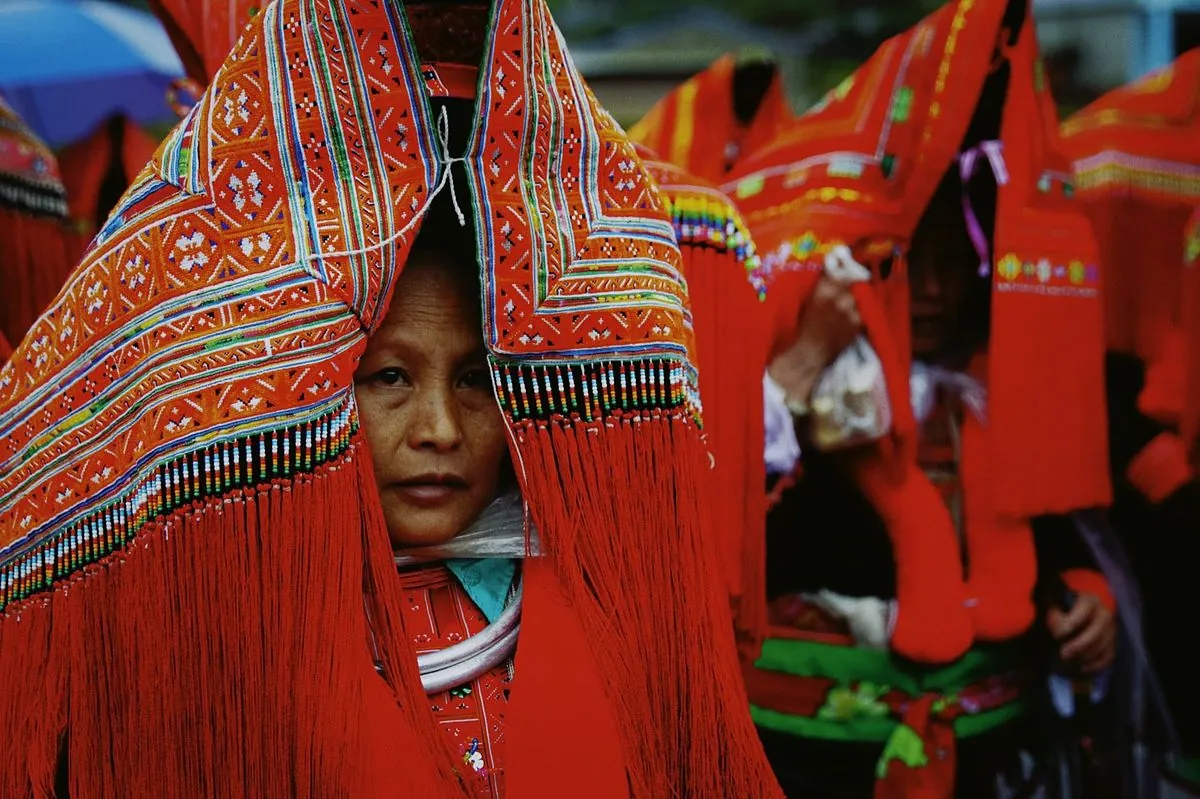
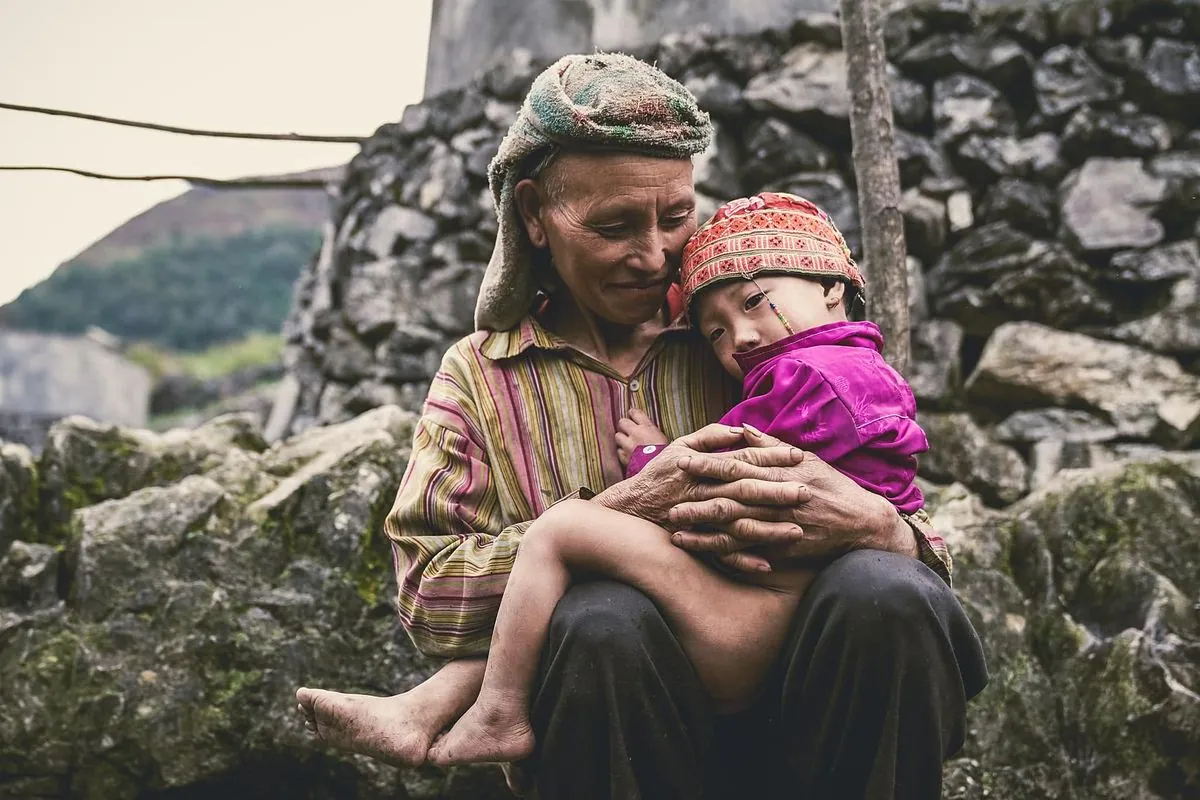
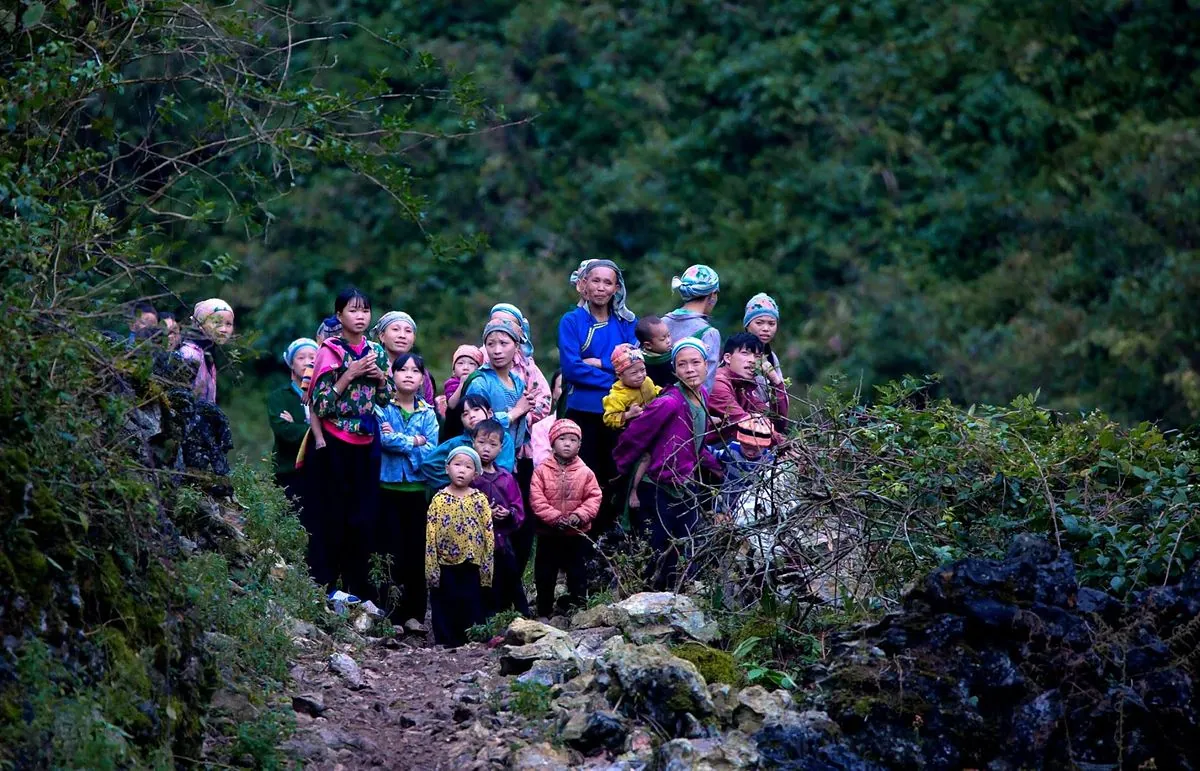
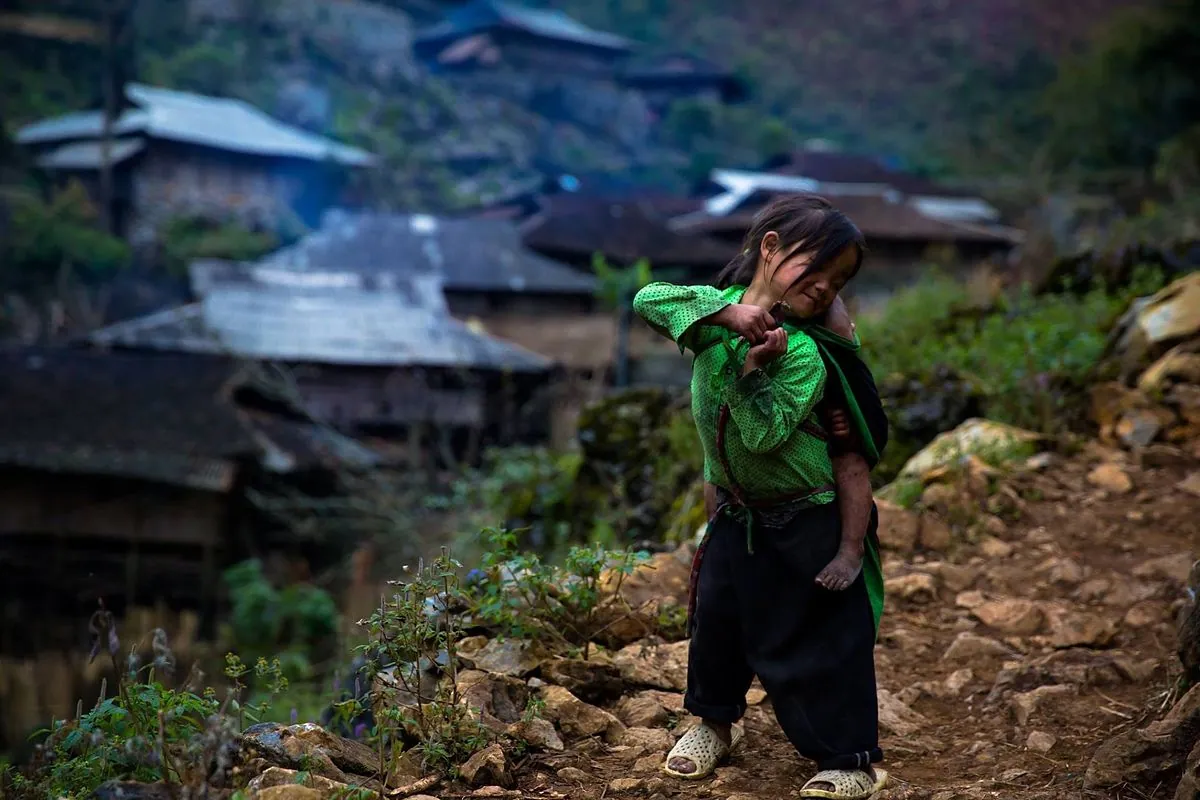
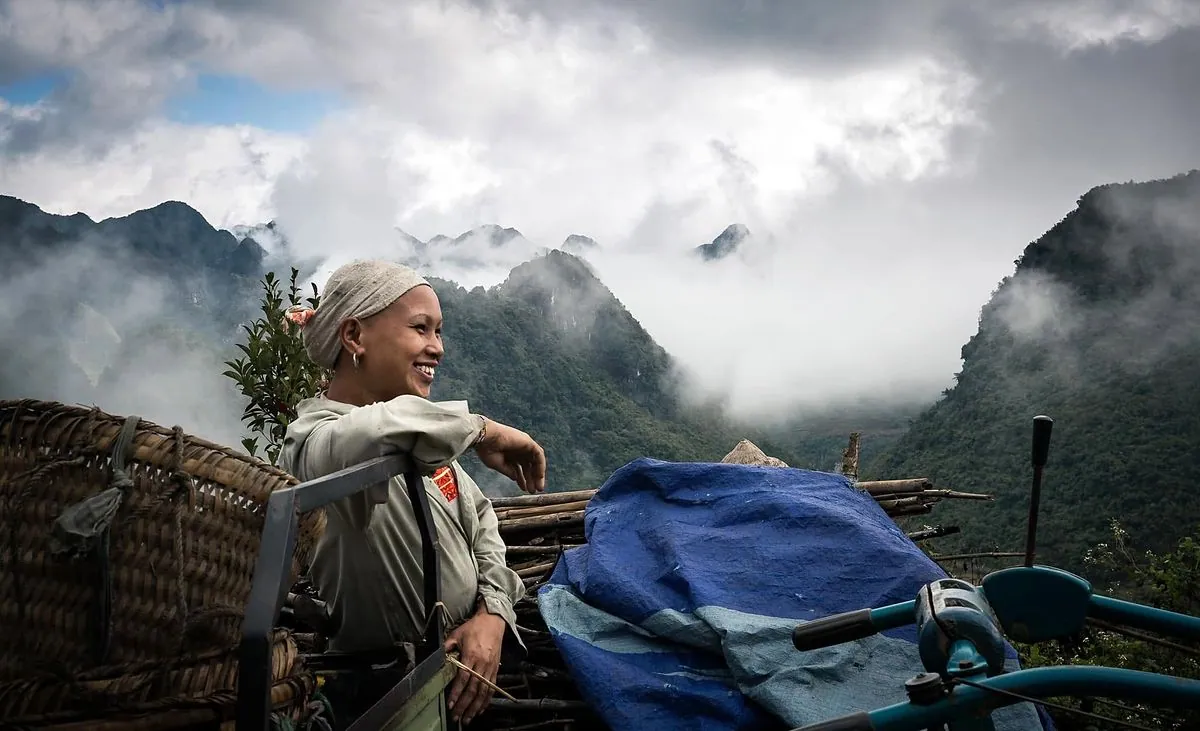
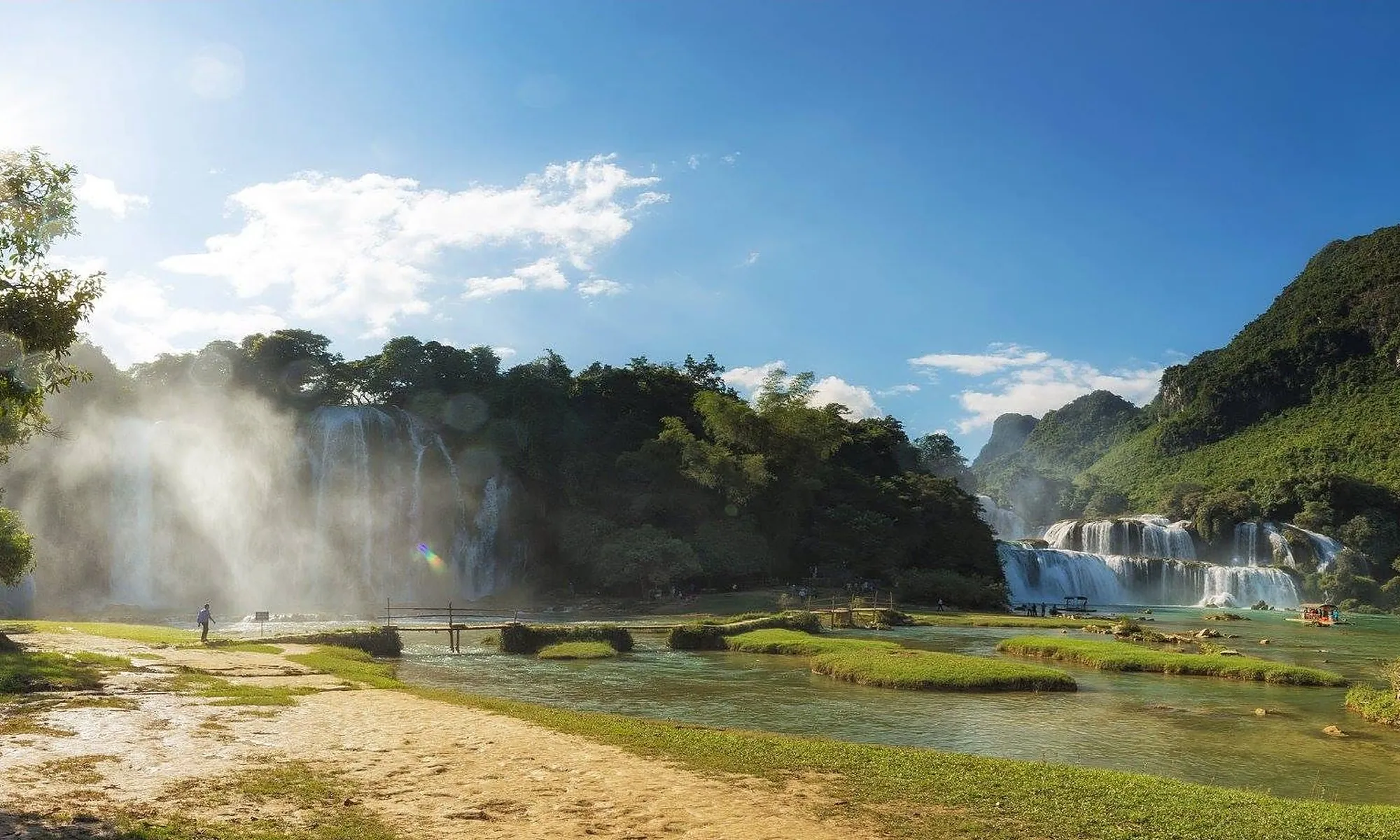
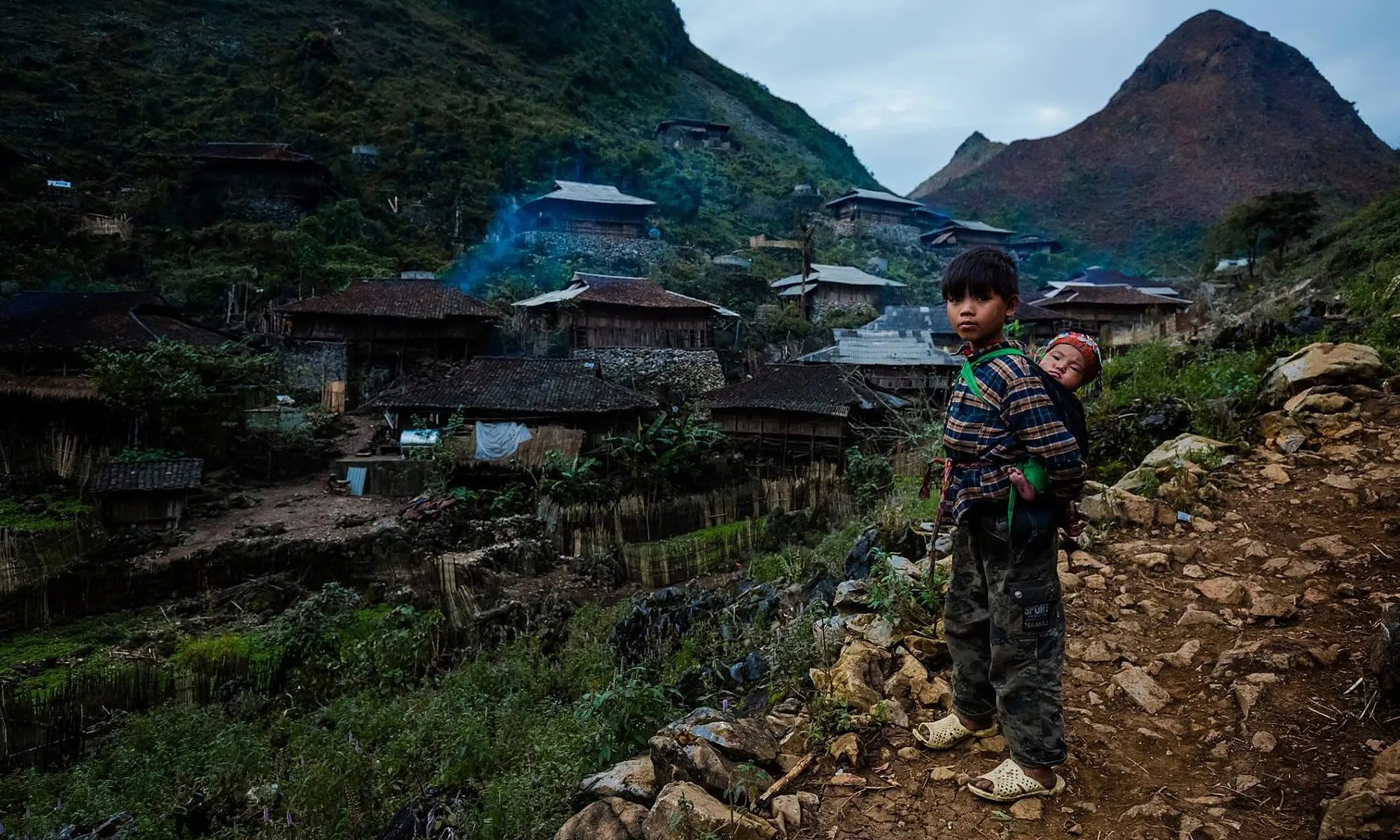
People, crafts and landscapes of Cao Bang.

People & dress

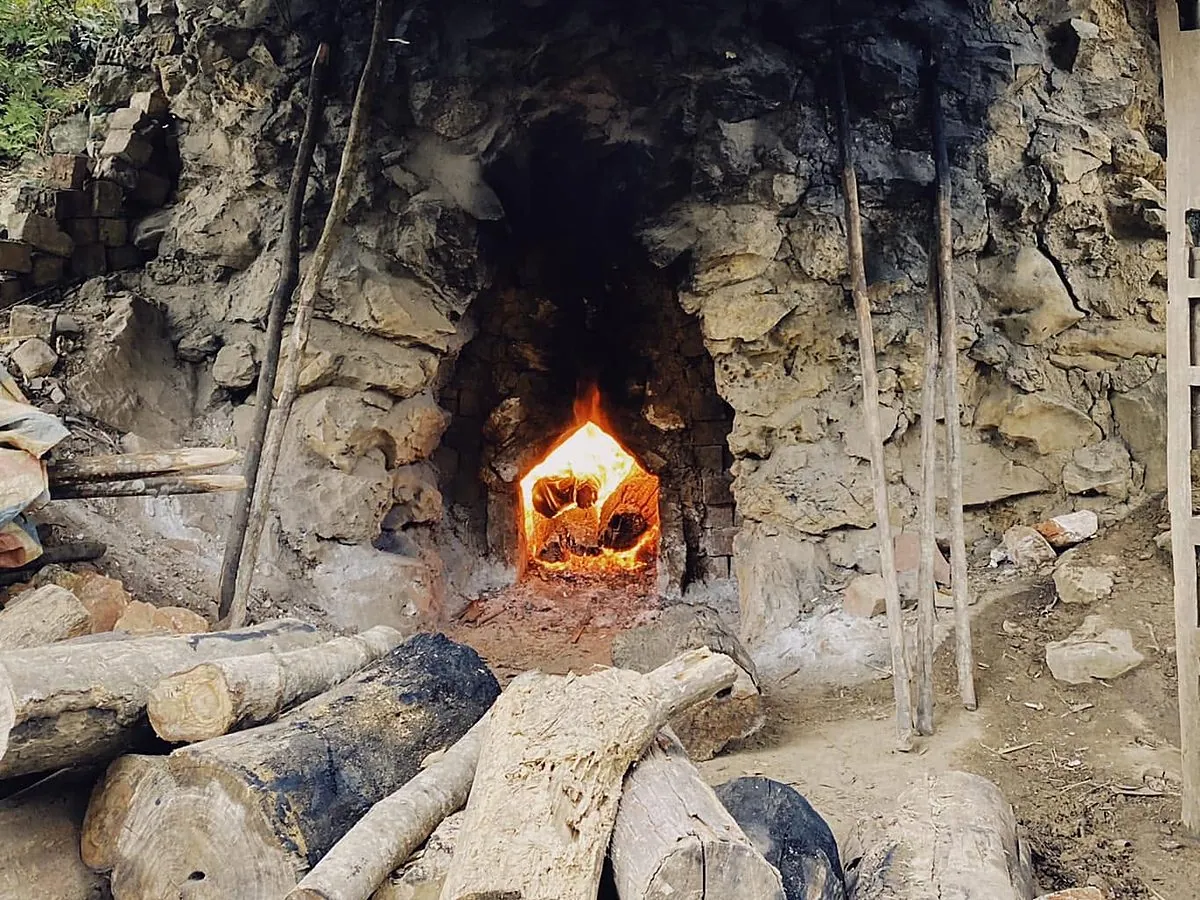
Craft traditions

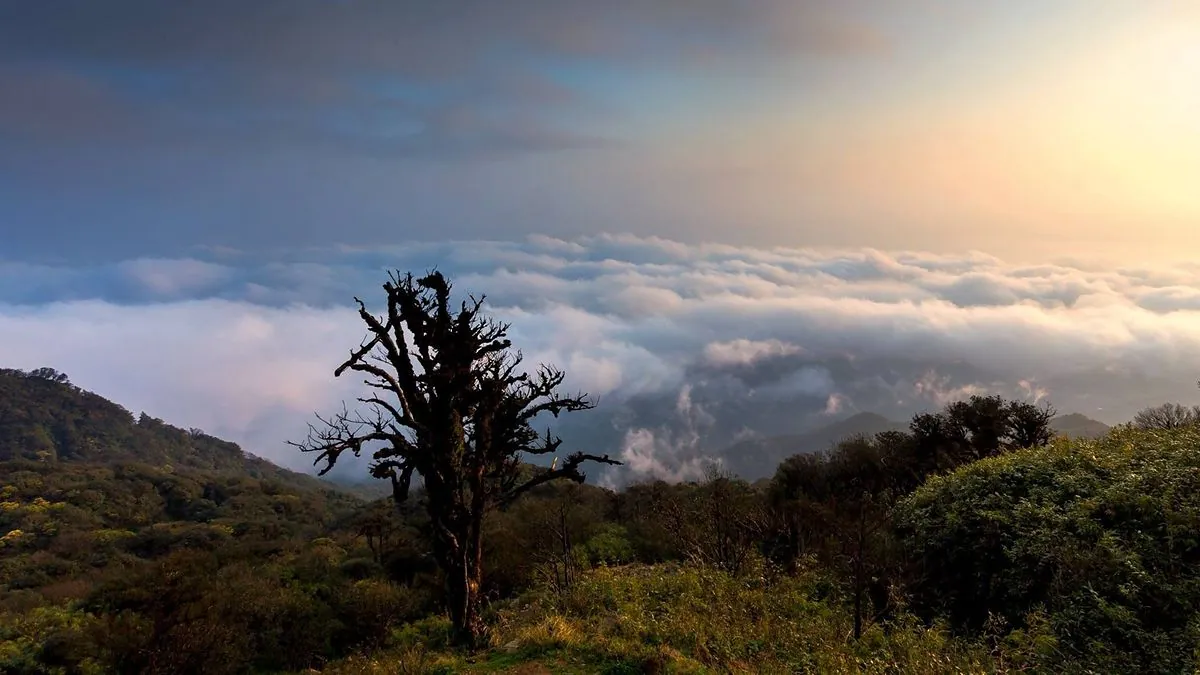
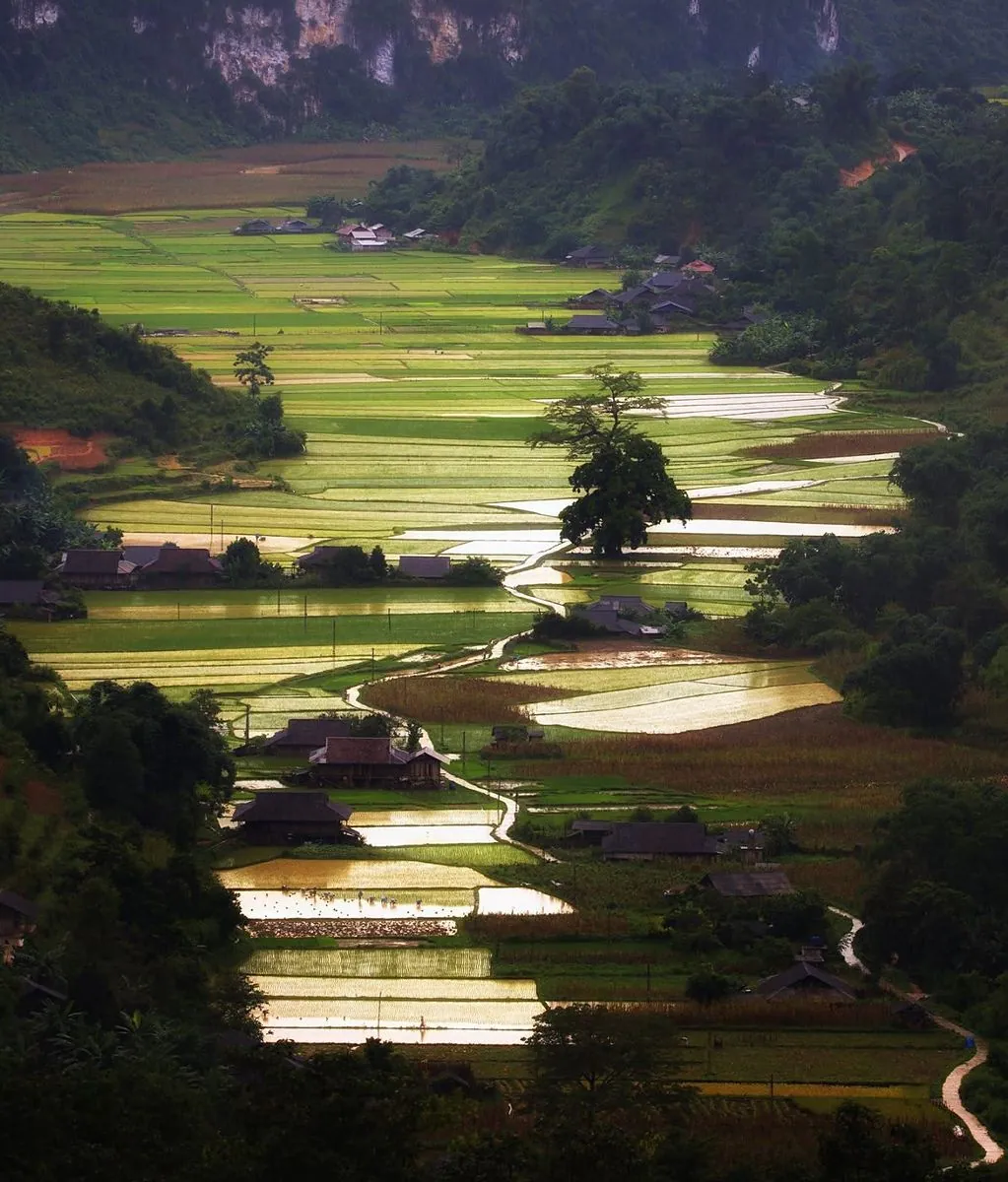
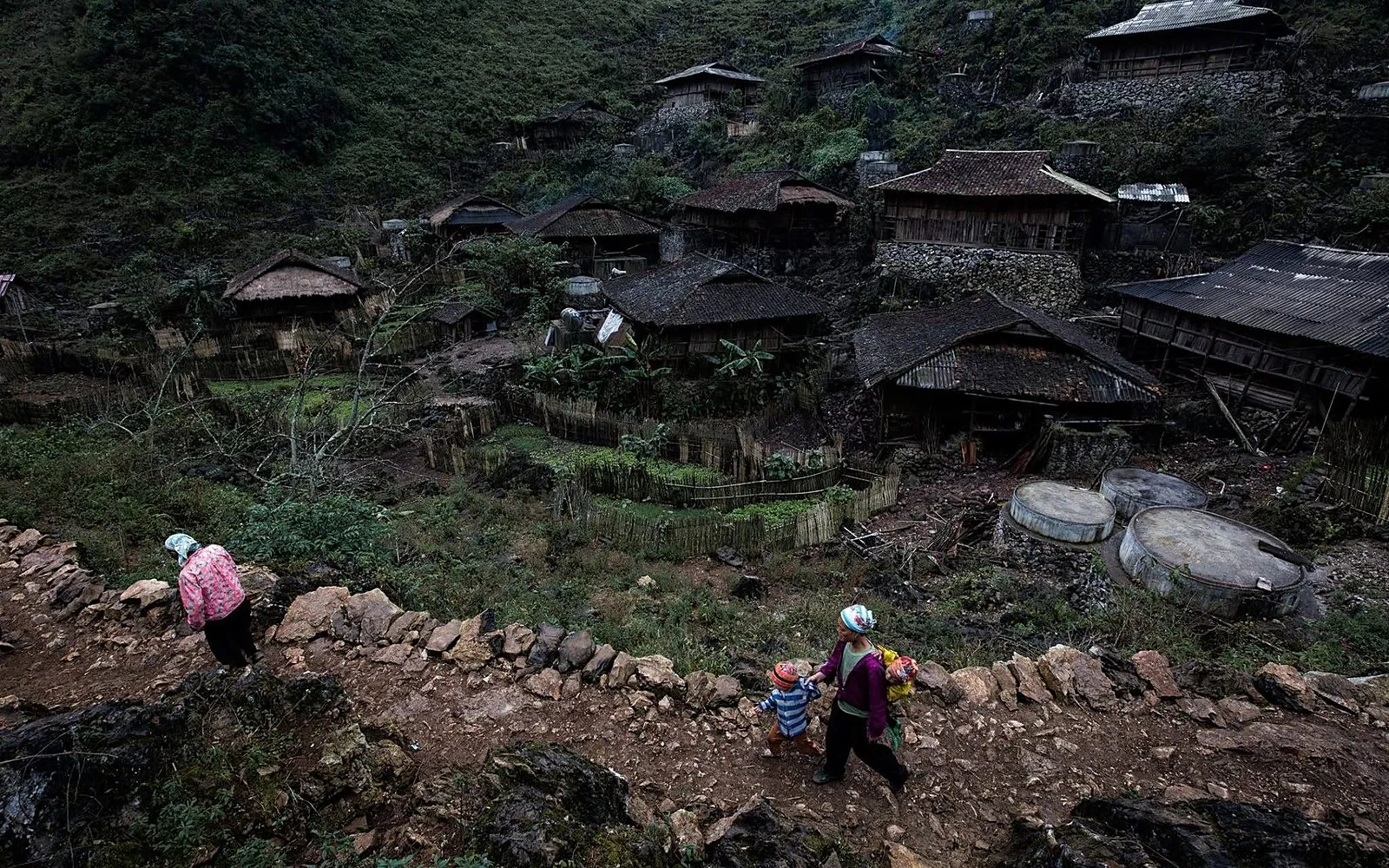
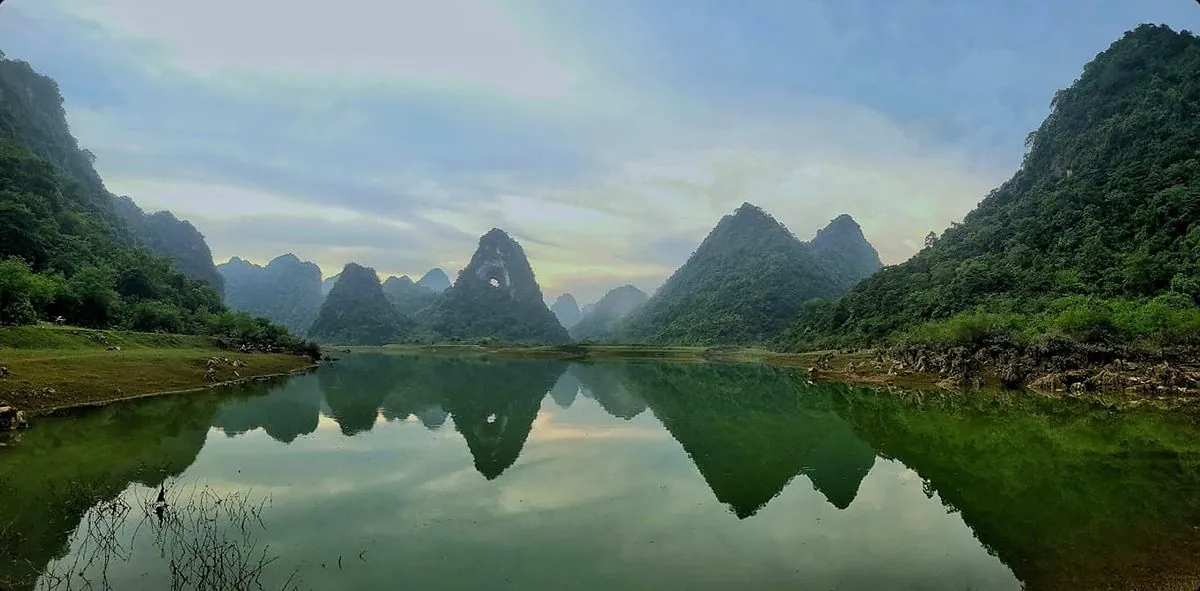
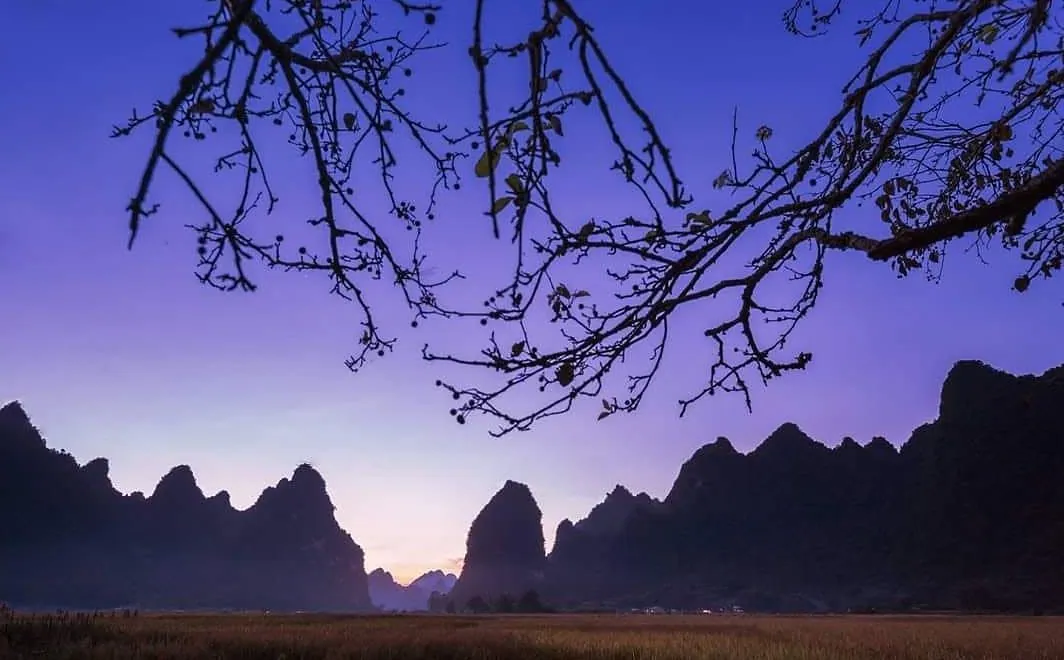
Landscapes

Photos: courtesy of the project author. Please do not reuse without permission.

Traditional dress

The Tay and Nung make up about 70% of the province’s population; each people has its own colours.

Tay

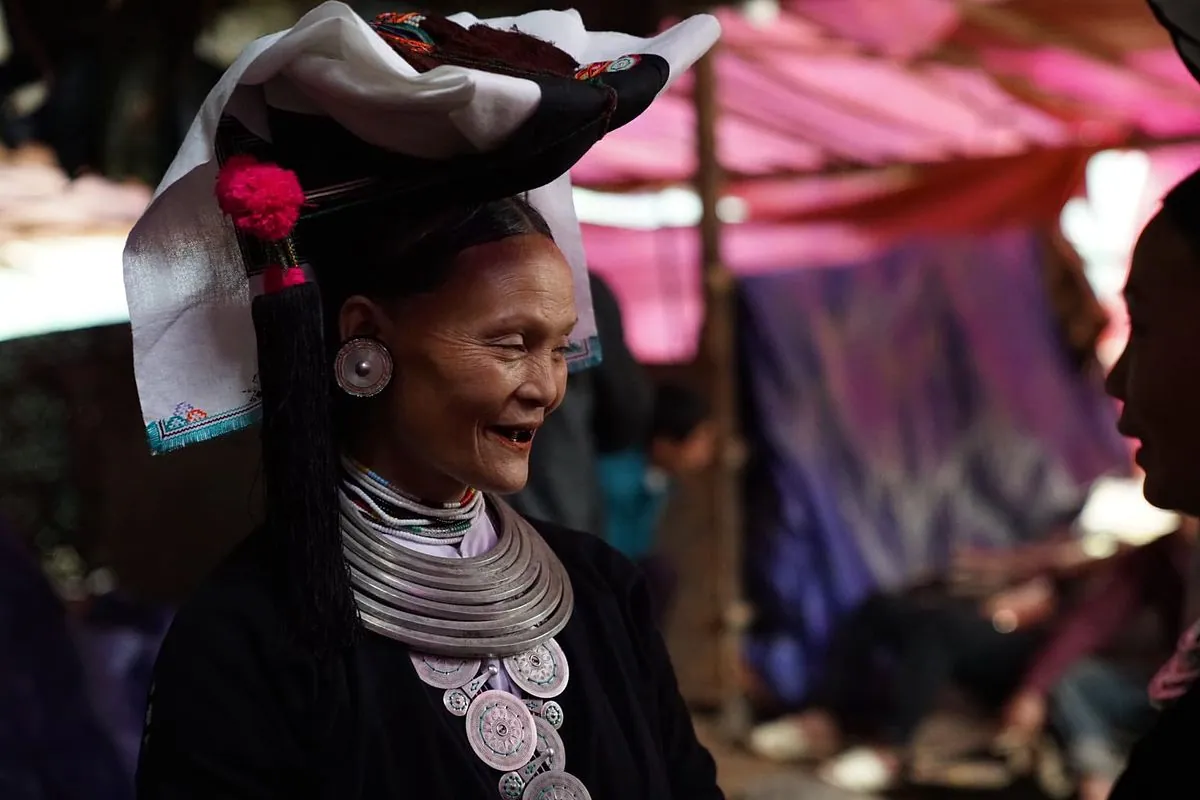
Women wear long indigo tunics slit to the calf, head wraps, “crow’s beak” scarves and silver jewellery – simple and elegant.

Nung

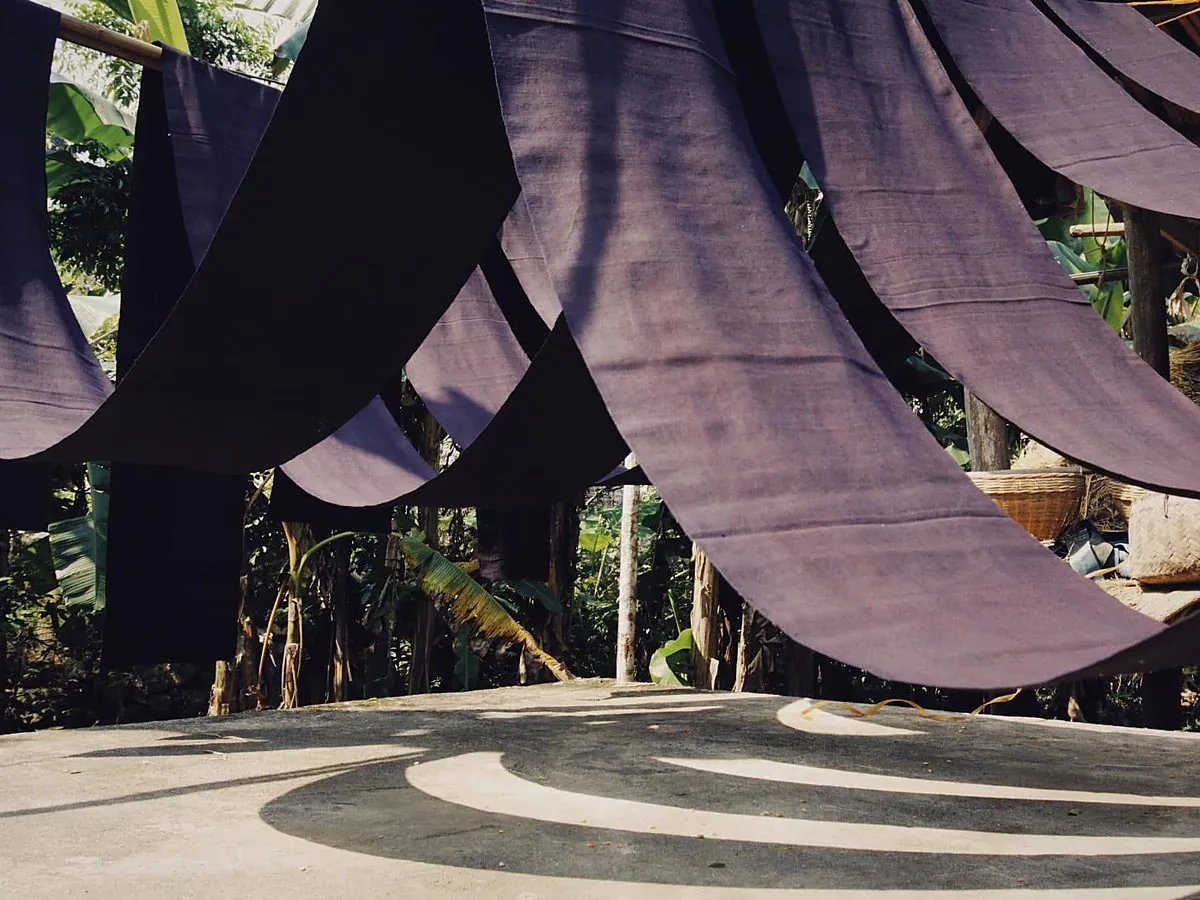
Dark indigo with few patterns; Nung An women’s tunics have five panels and men wear a “vi cun” shoulder pad for carrying loads. Home-dyed indigo is seen as the colour of peace.
Dao Tien

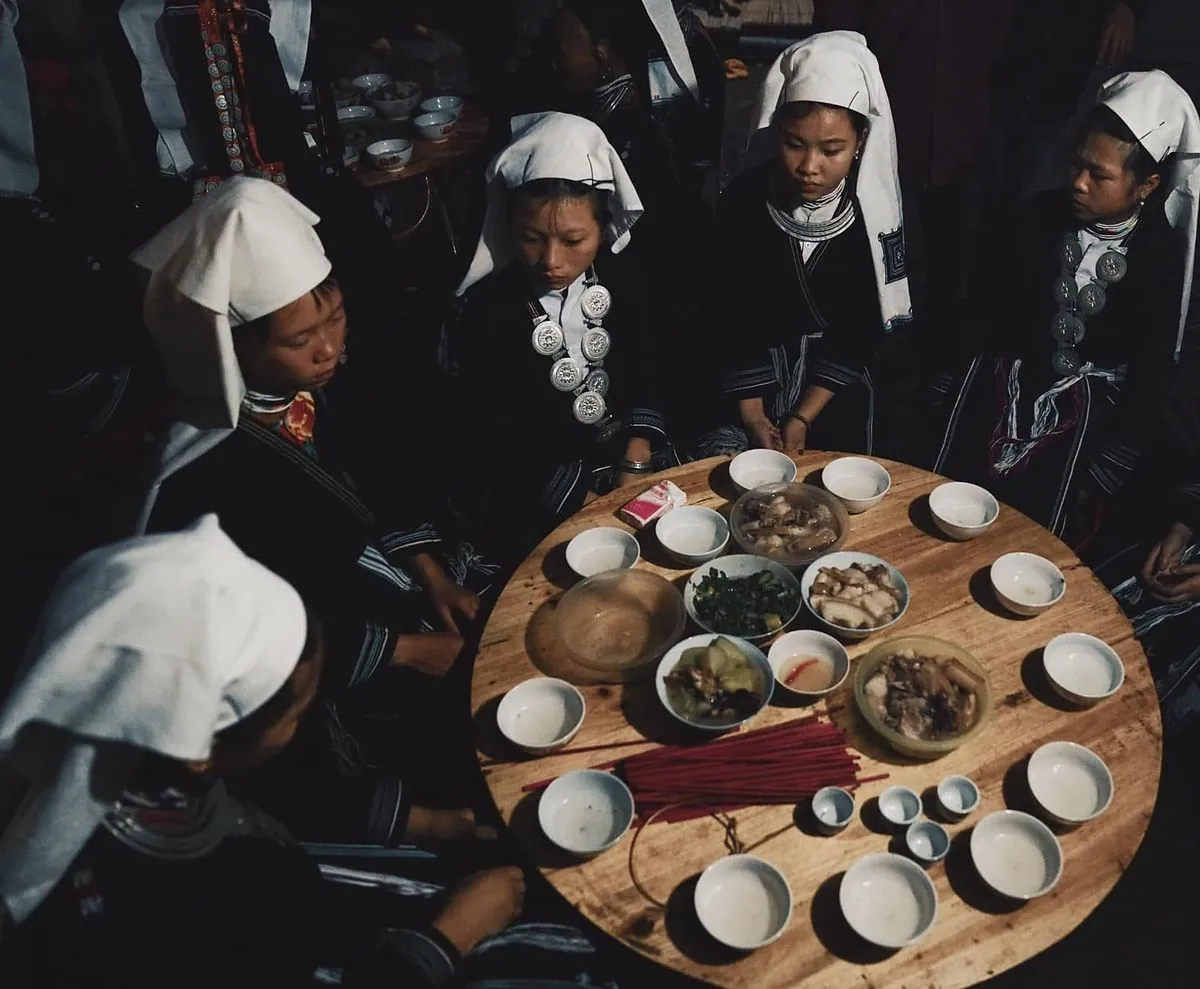
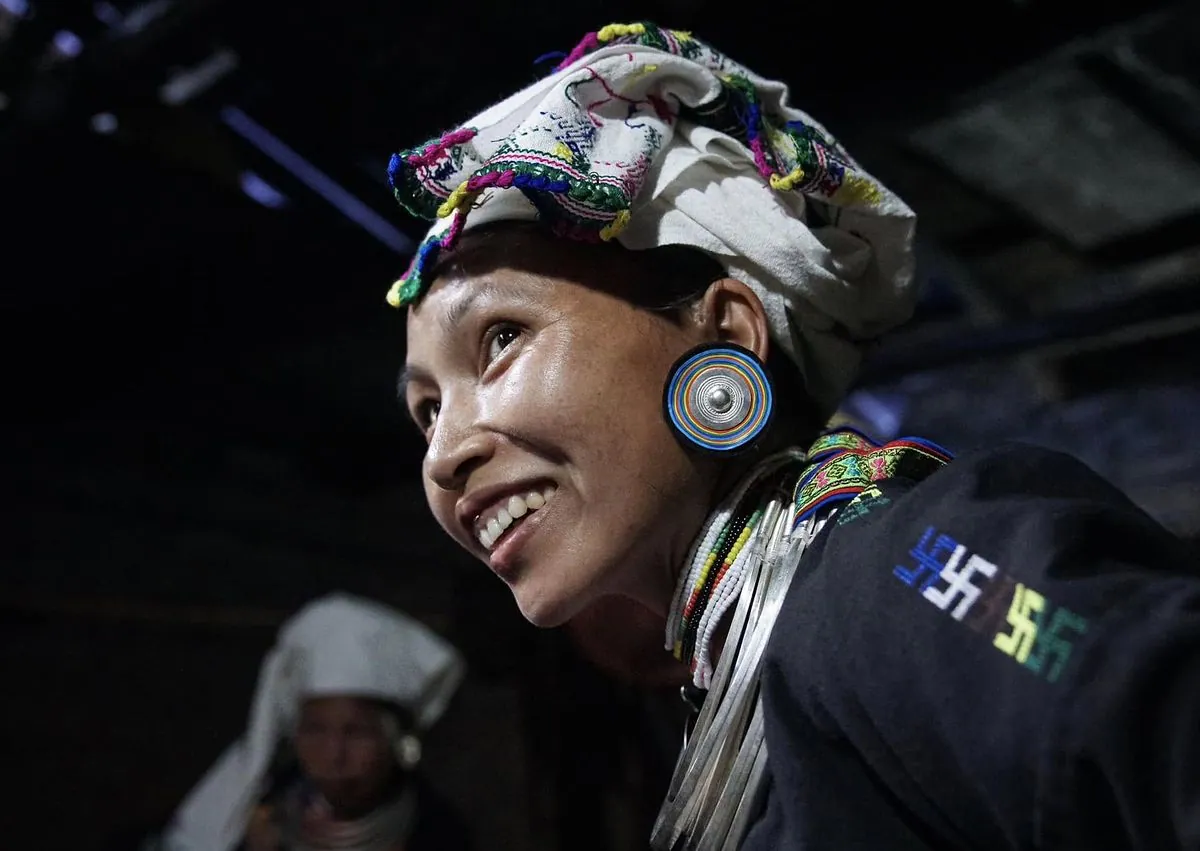
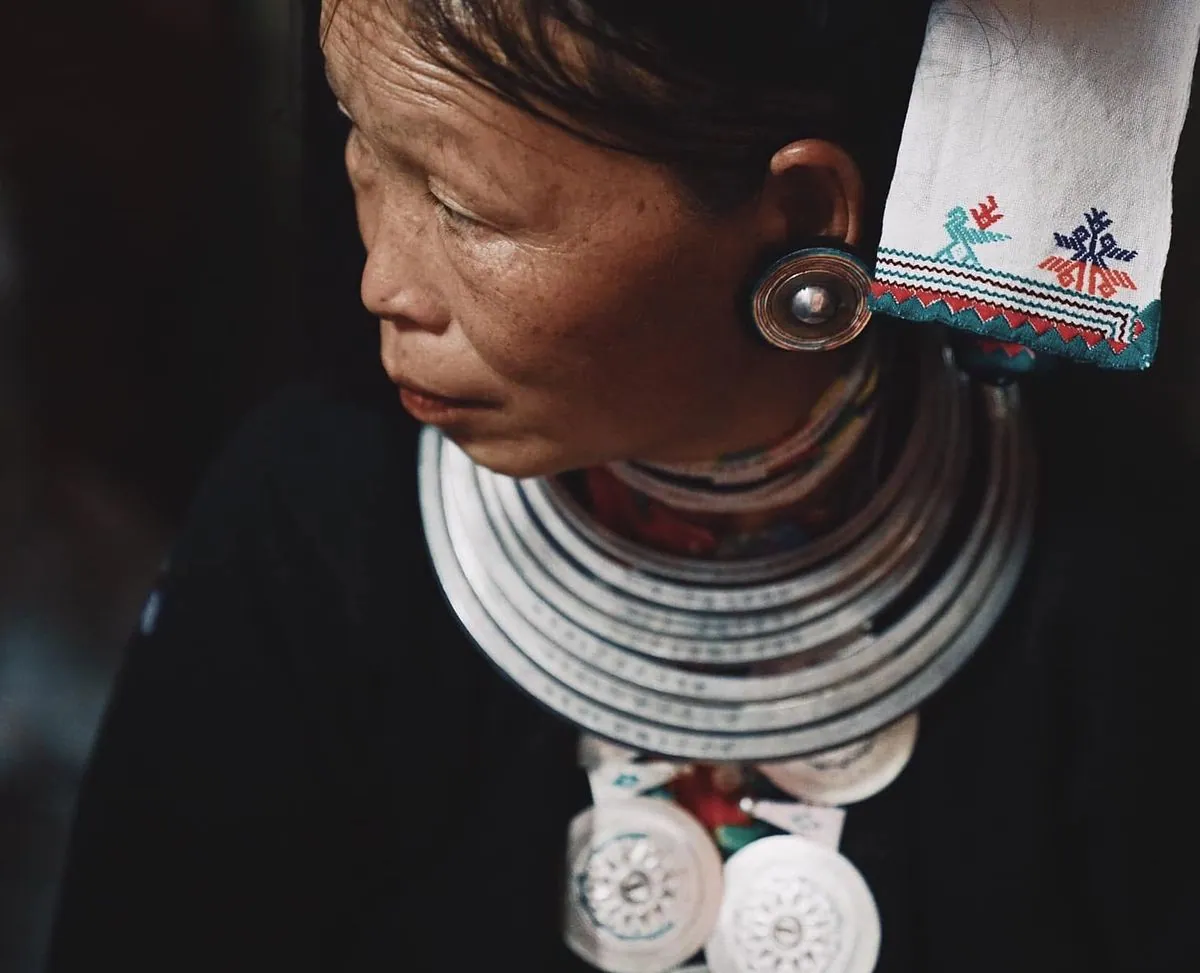
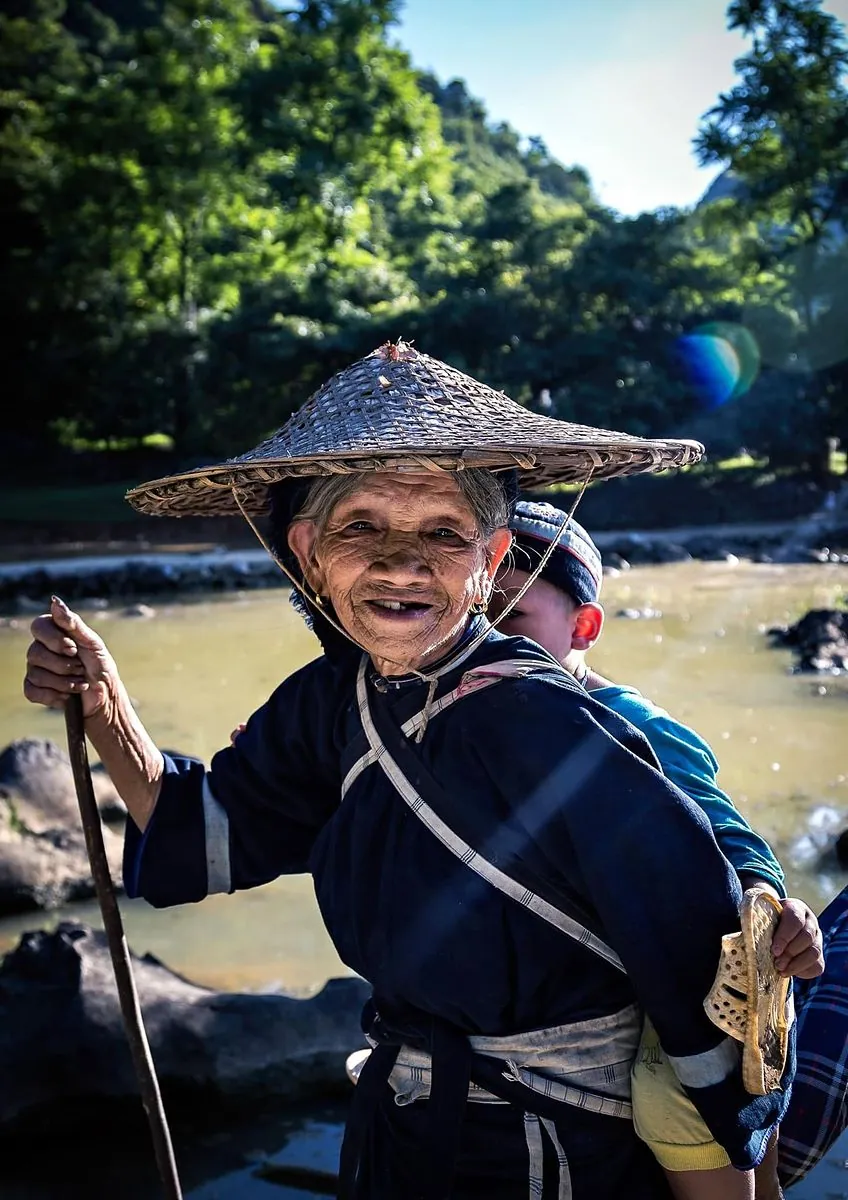
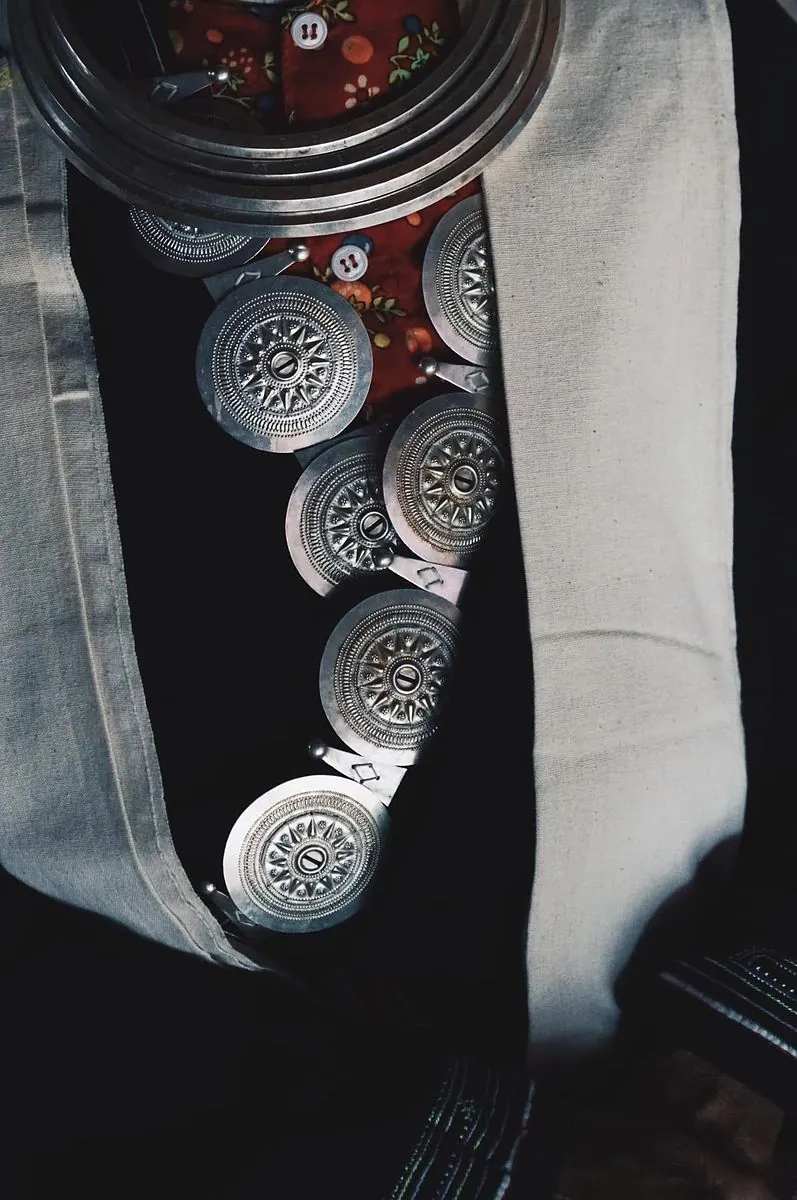
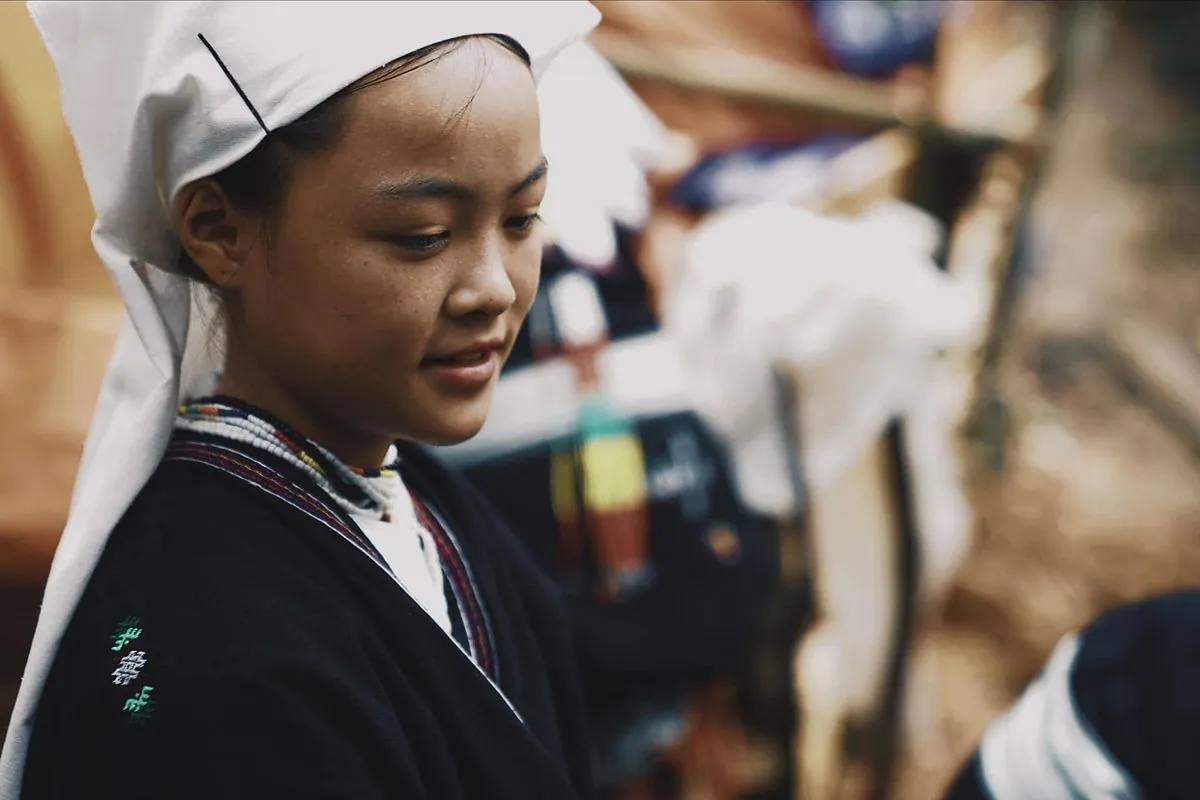
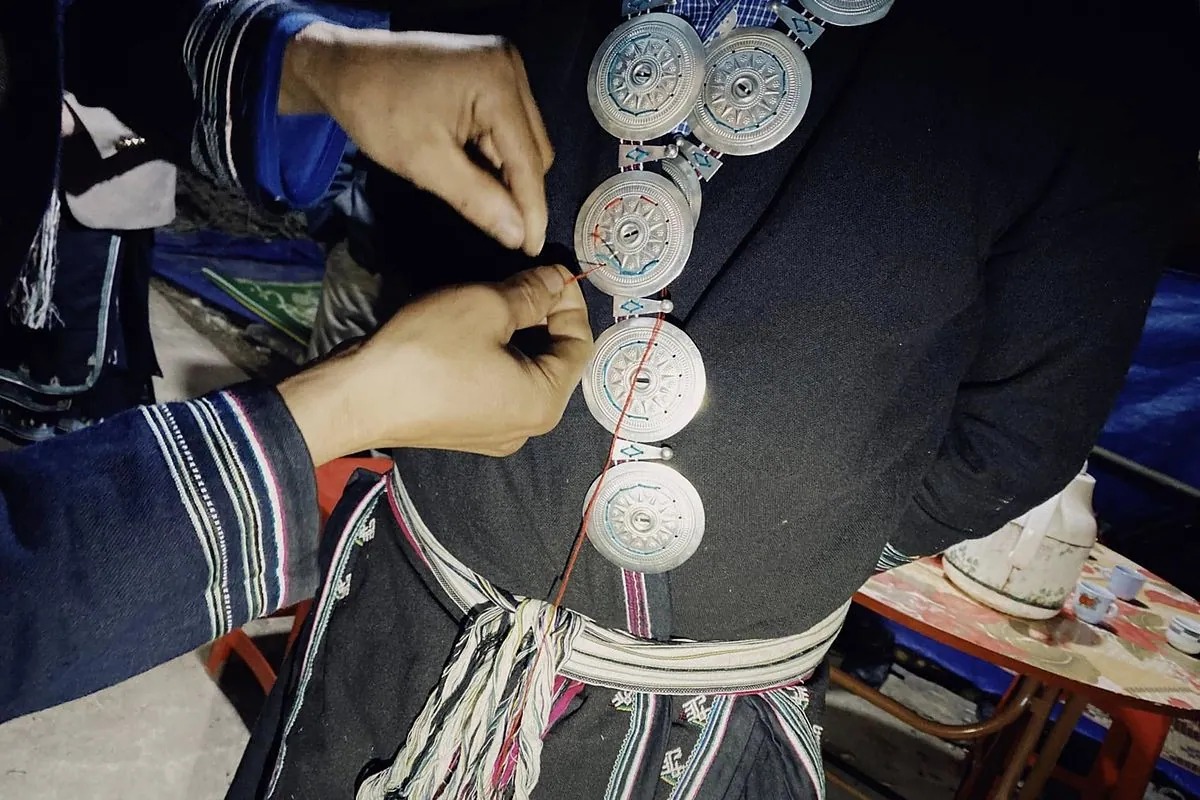
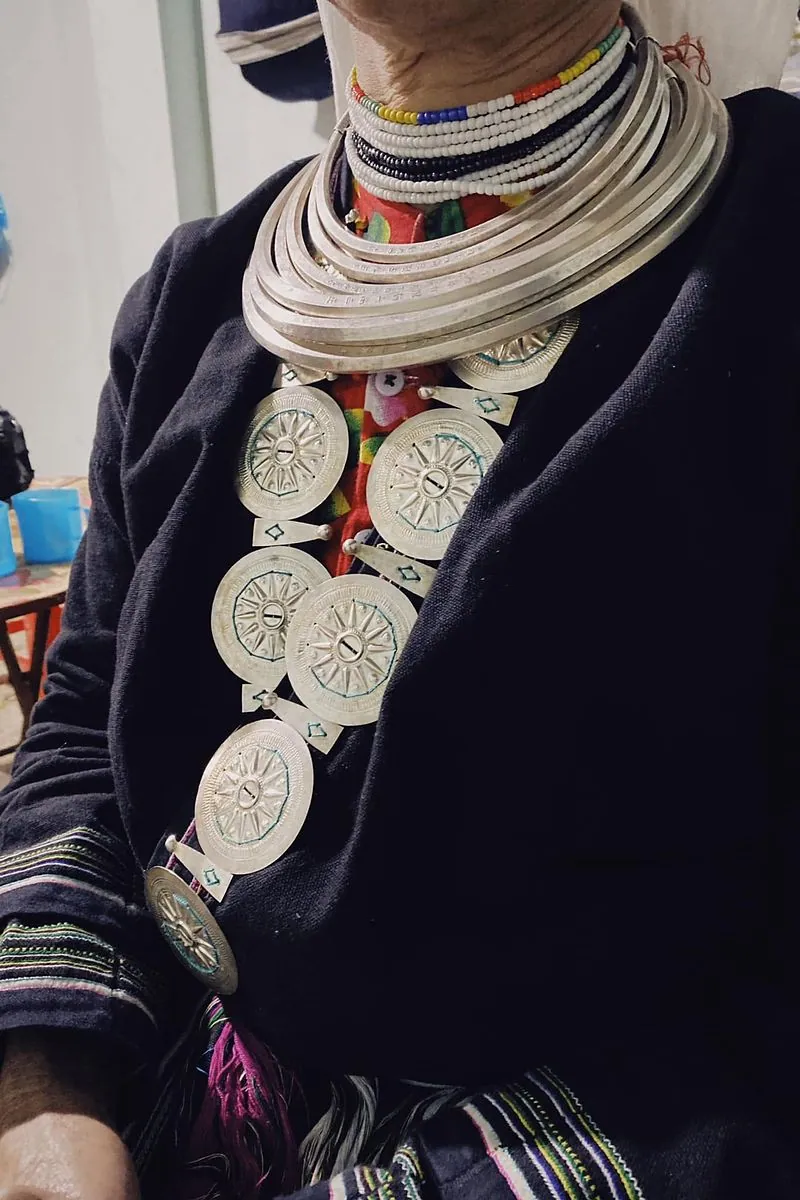
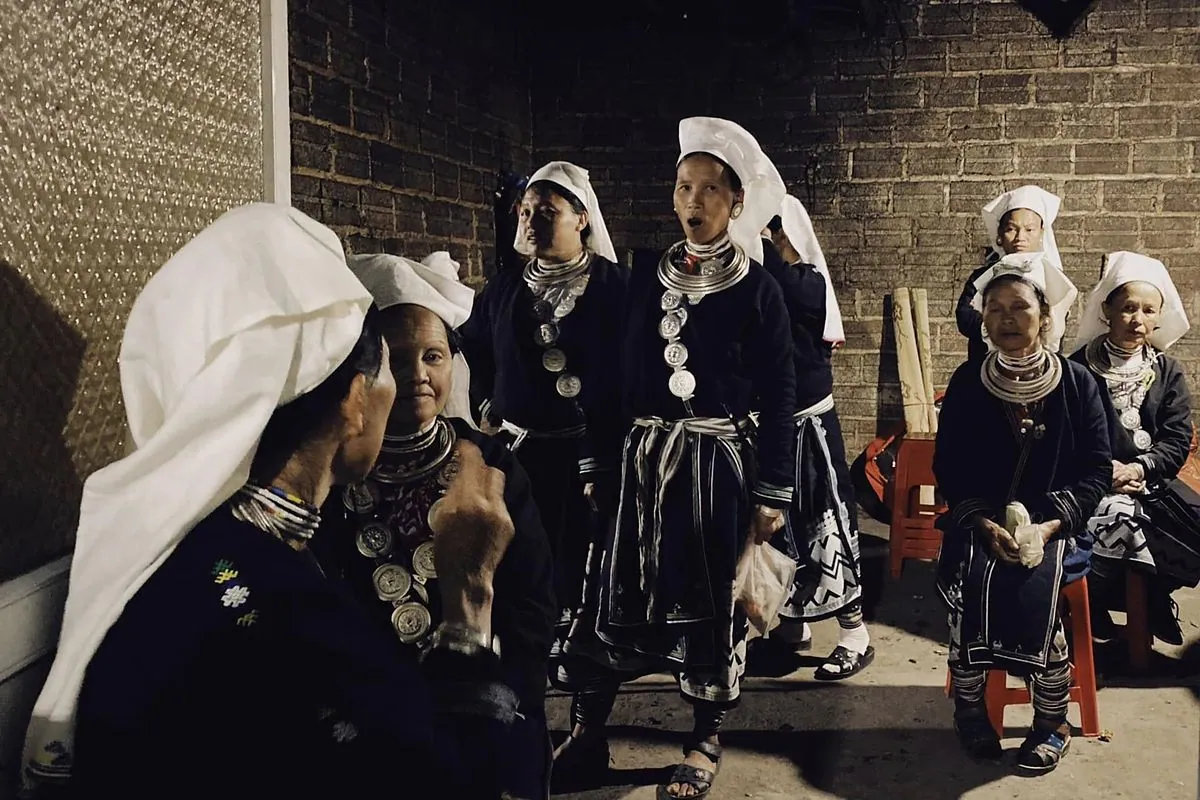
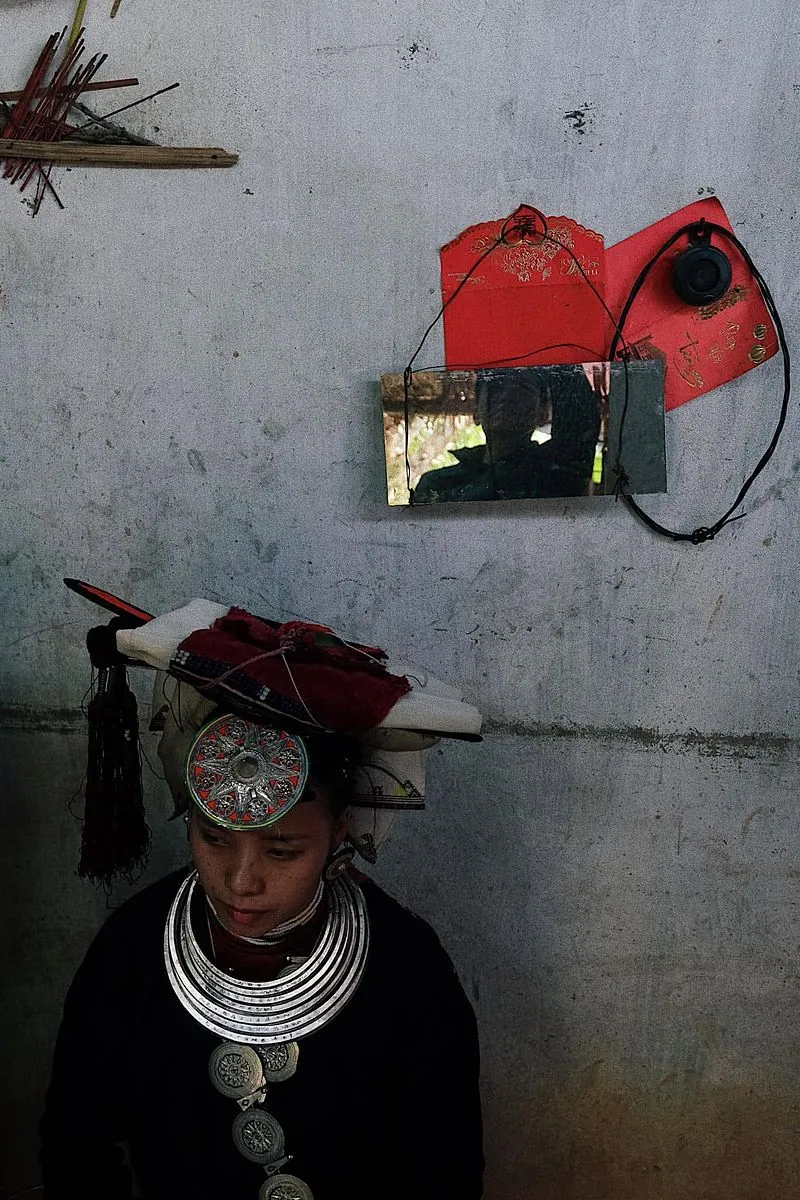
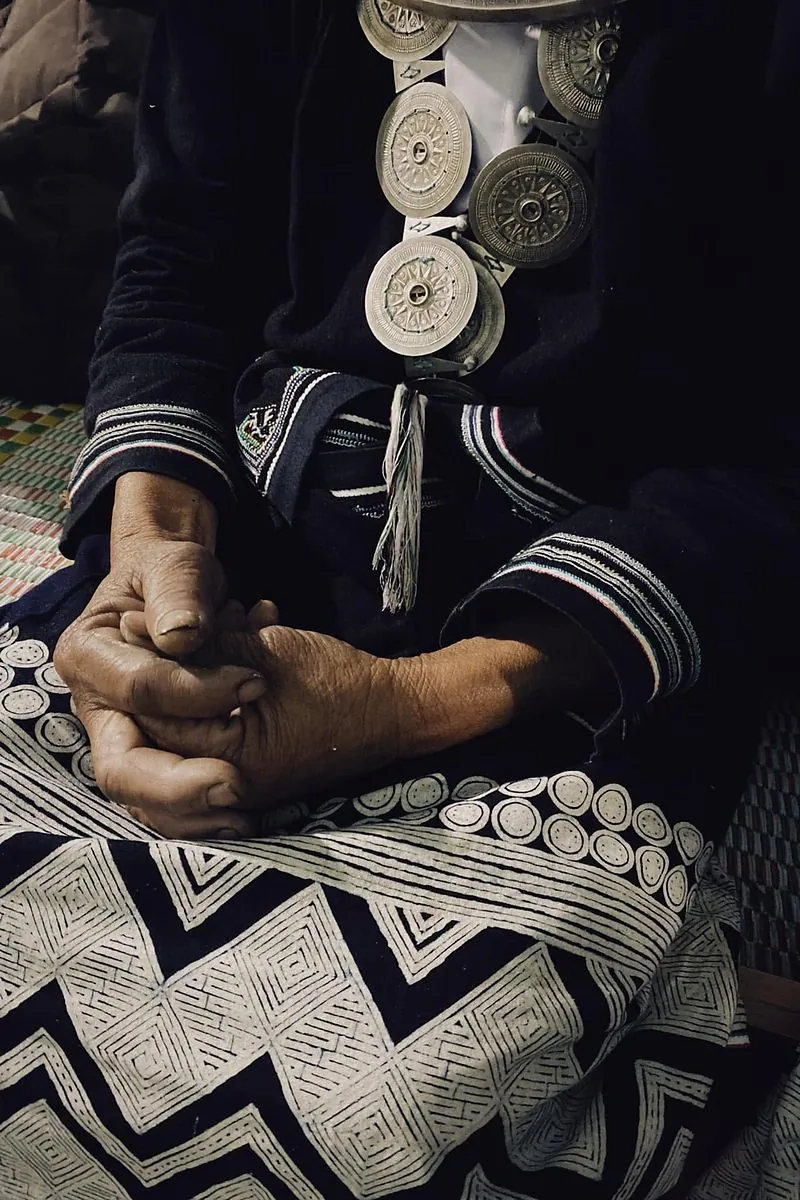
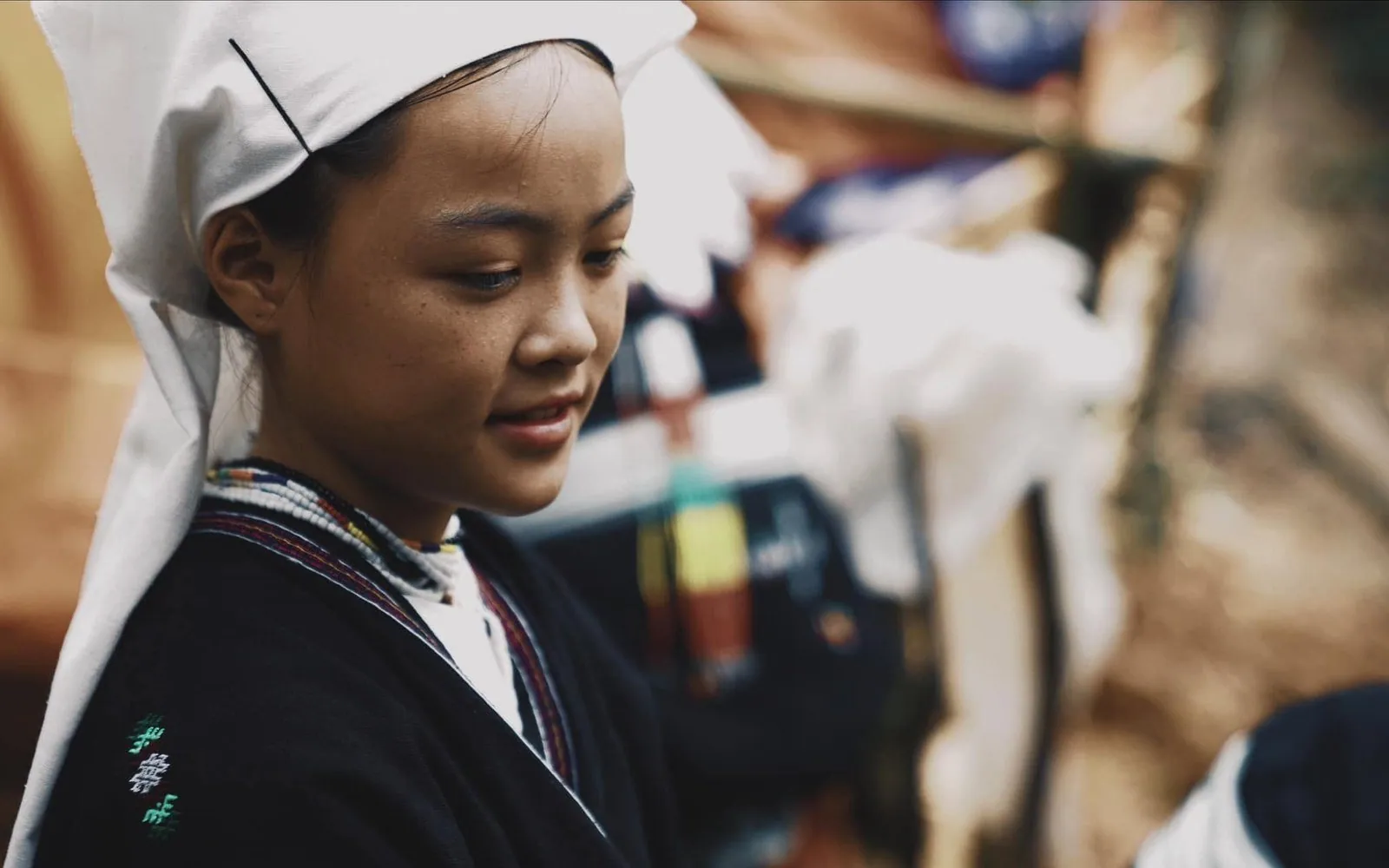
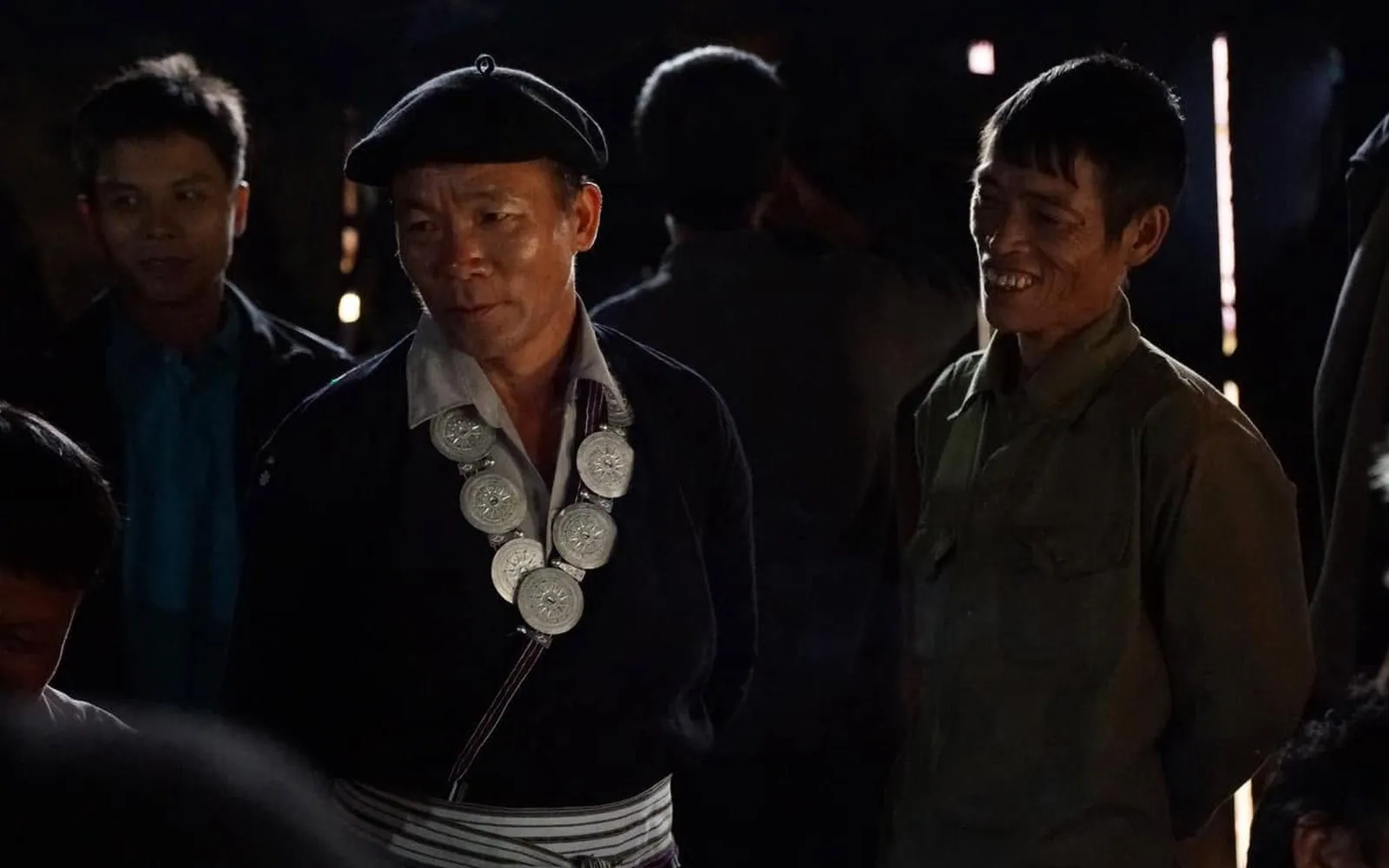
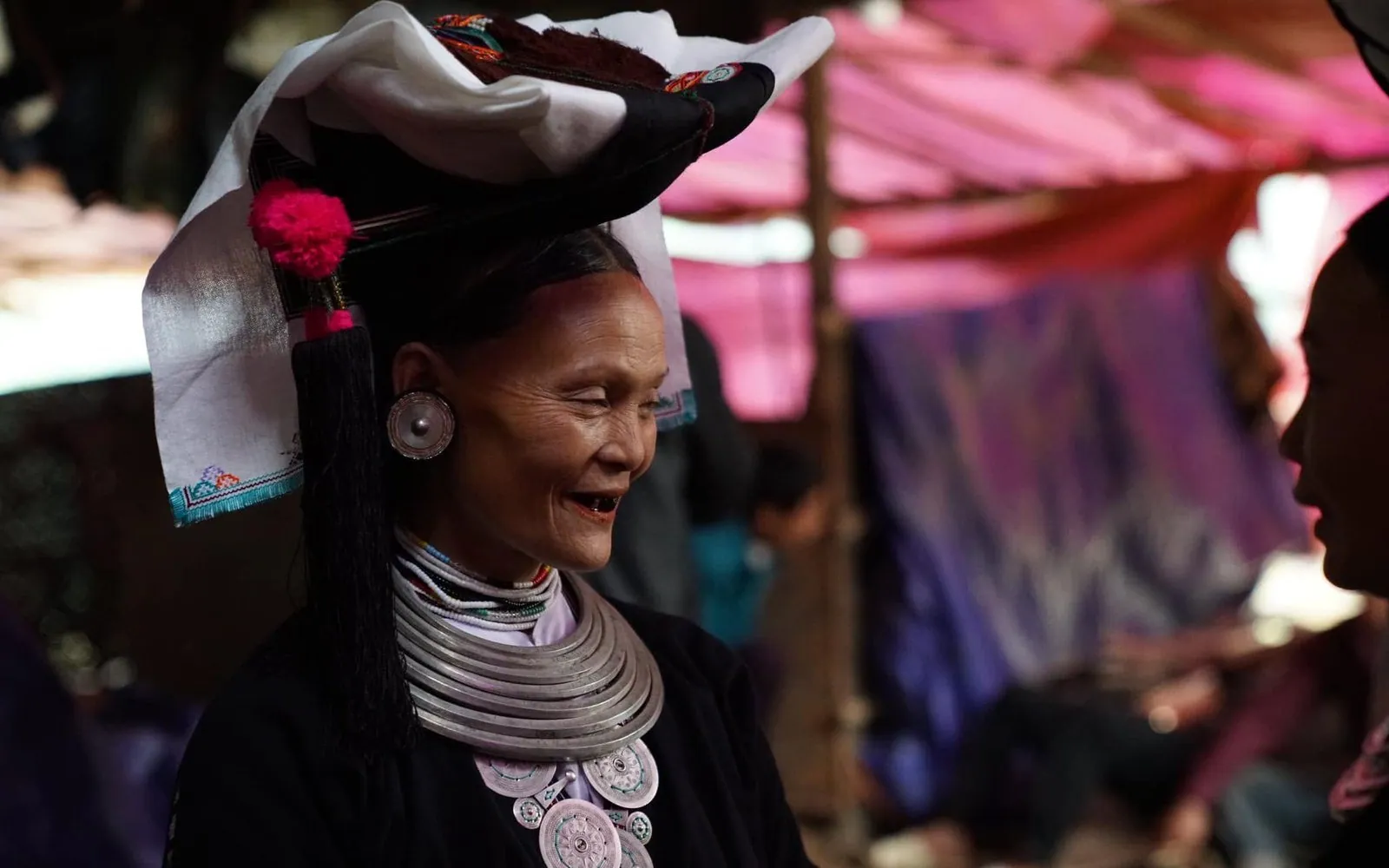
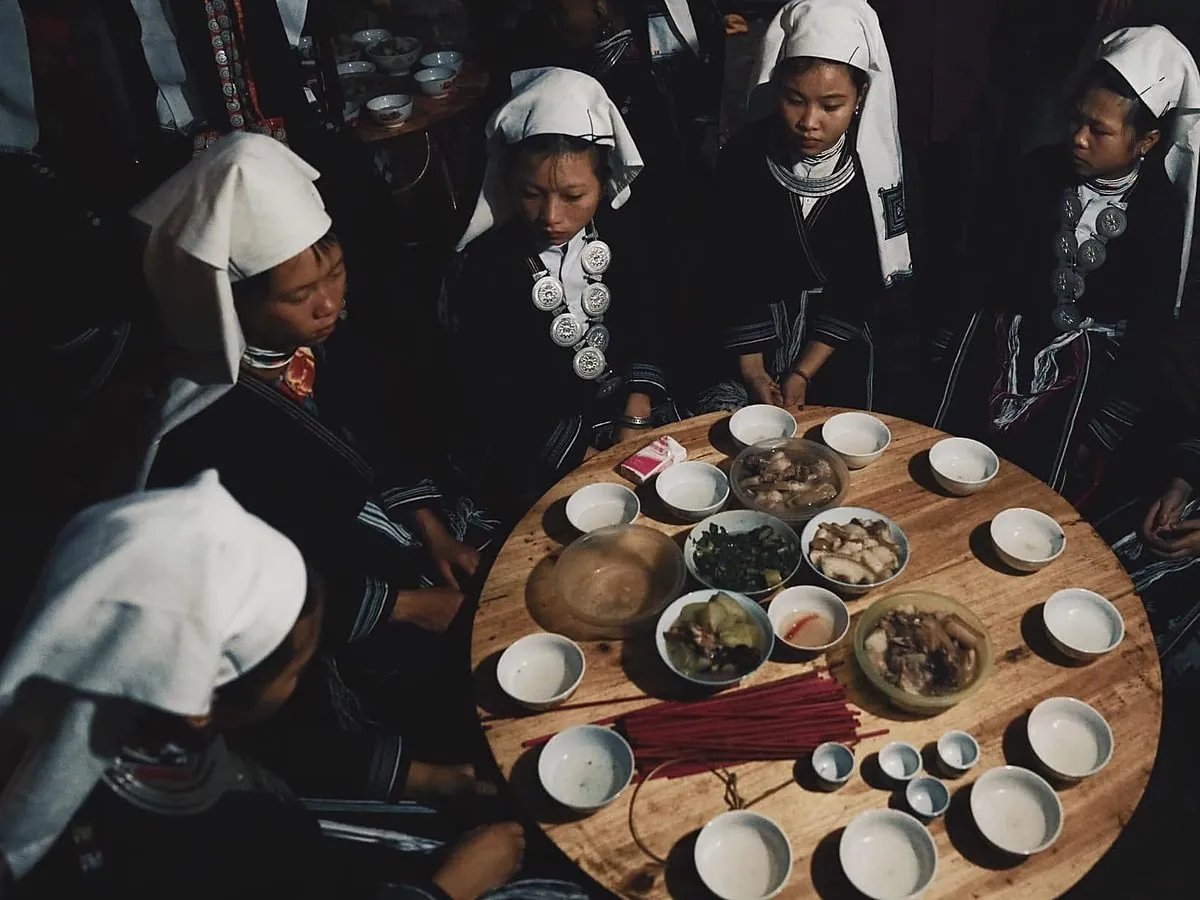
Indigo and black decorated with silver coins; women wear white headscarves, and jackets carry a stylised dog motif from the Ban Vuong legend. Known for beeswax-resist printing and silverwork.
Red Dao

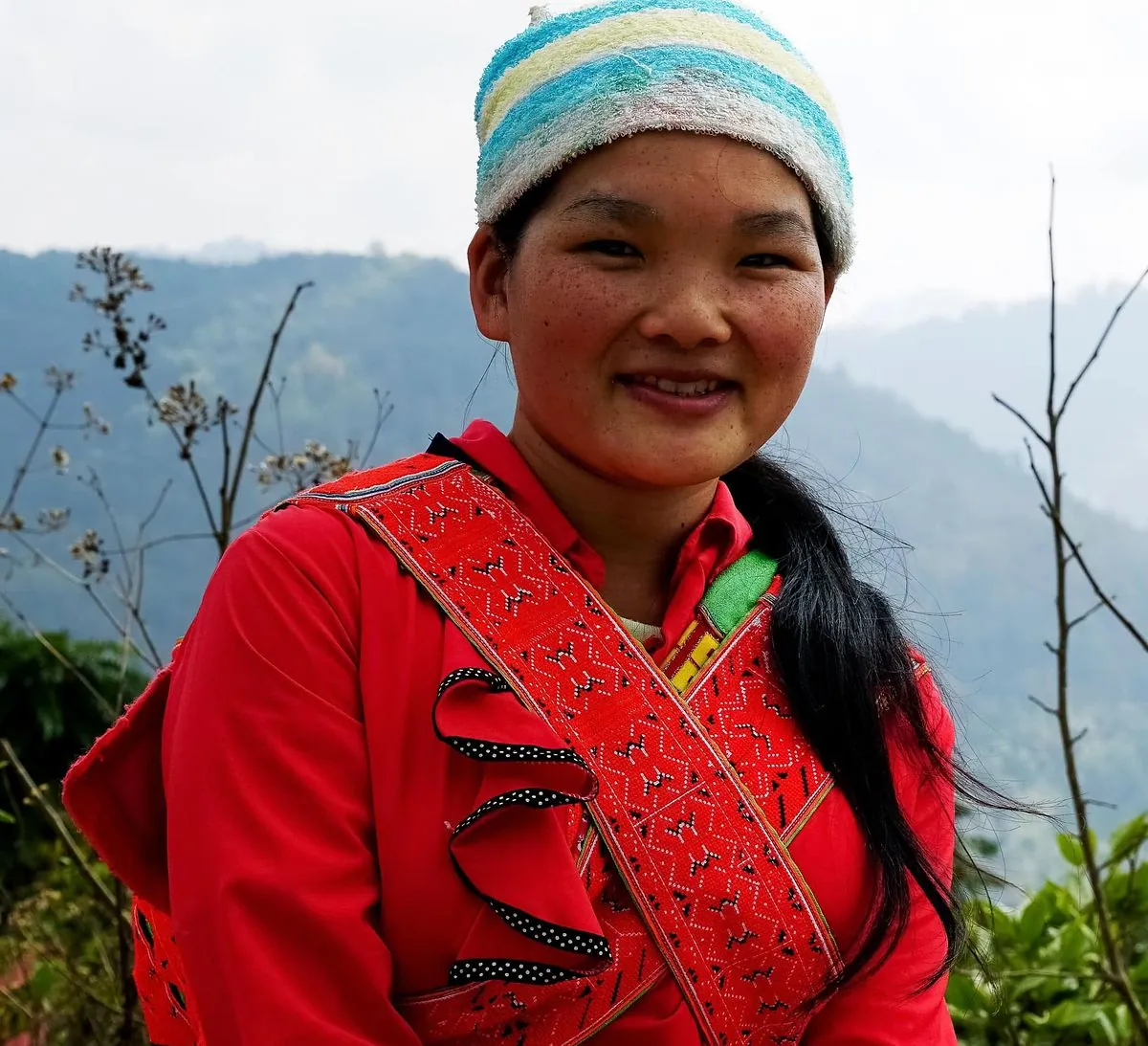
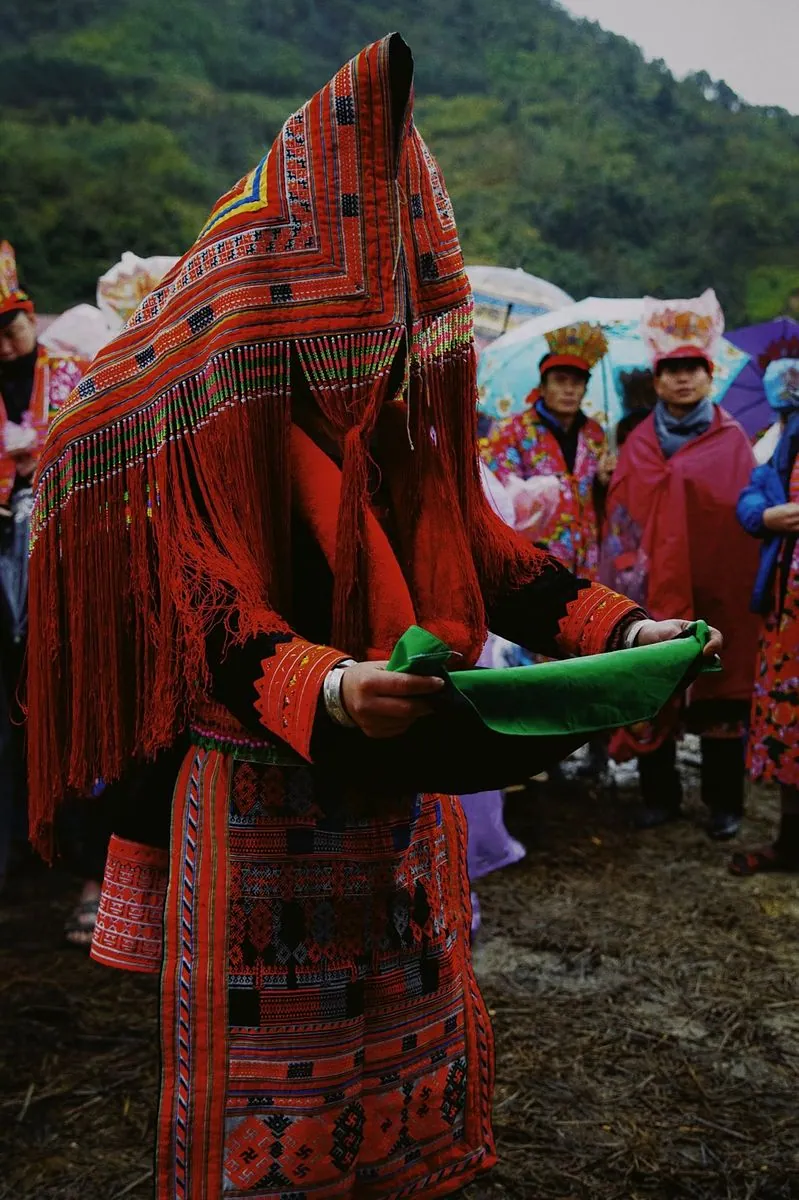
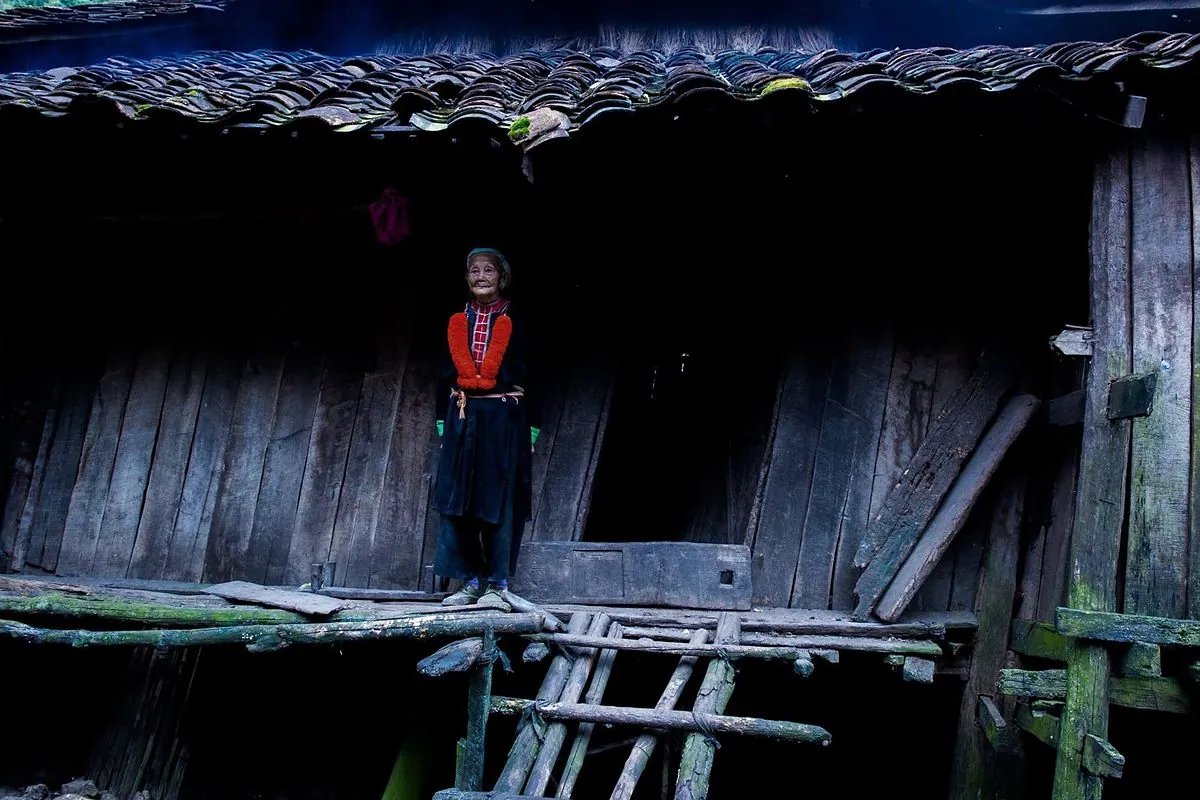
Black with bright red, knee-length jackets with two strings of red pompoms and eight-span head wraps.

Hmong

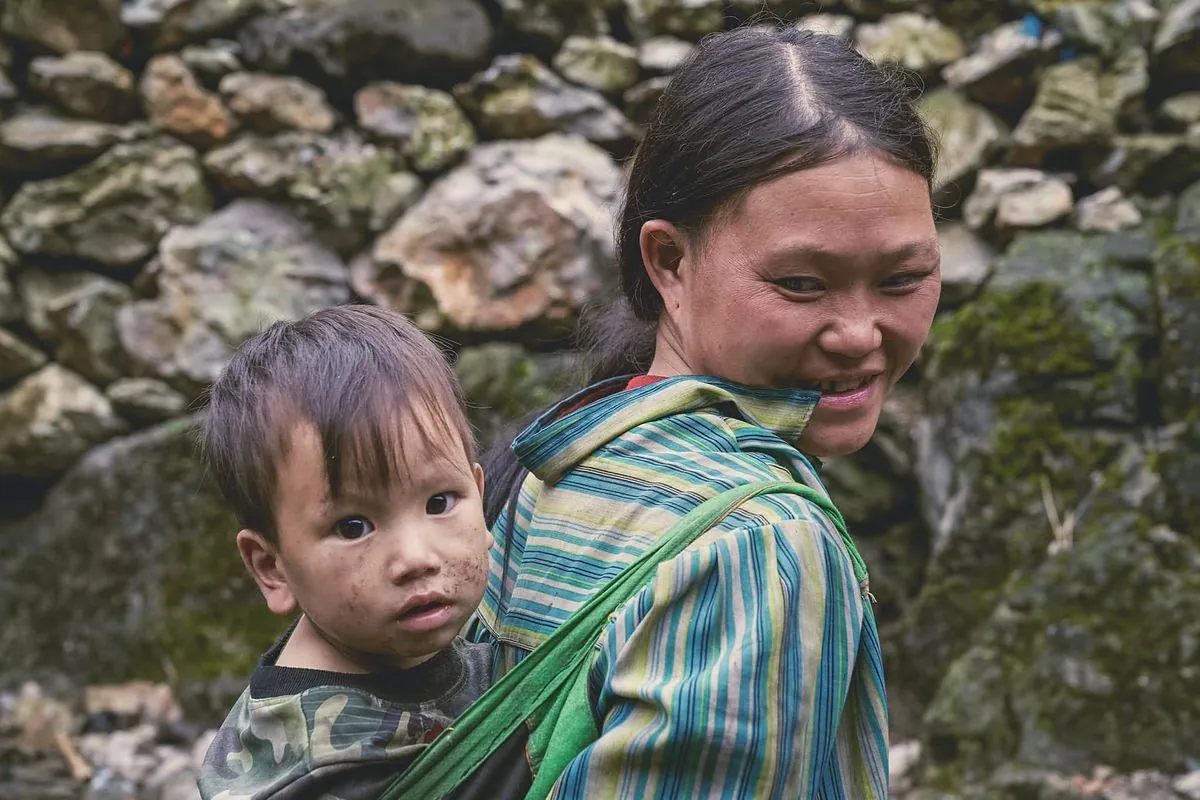
Full skirts of brightly coloured, hand-woven hemp.

Lo Lo

Women wear short indigo jackets with sleeves of many coloured bands and embroidered, beaded headdresses.

San Chi

Knee-length indigo tunics edged in red, with red belts hung with coins and eight-petal silver flowers.

Dao Tien people in Cao BangPhoto: Bùi Tuấn Hùng
Dao Tien people in Cao Bang
Dao Tien people in Cao BangPhoto: Bùi Tuấn Hùng
Dao Tien people in Cao Bang

Customs

Customs and good manners

  • The Tay and Nung avoid visiting other homes on the morning of the first day of Tet. A fresh green branch at the door means the family isn’t receiving guests – quietly walk on.
  • On the first day of Tet the Nung avoid sweeping, washing clothes and giving away fire or water; at dawn women “buy new water” at the spring and on the way home must not set the buckets down or greet anyone.
  • The 15th of the 7th lunar month is “Pay tai”, when married daughters bring a pair of fat ducks home to their parents; the Nung An say “all of Tet is not worth the 7th-month full moon”.
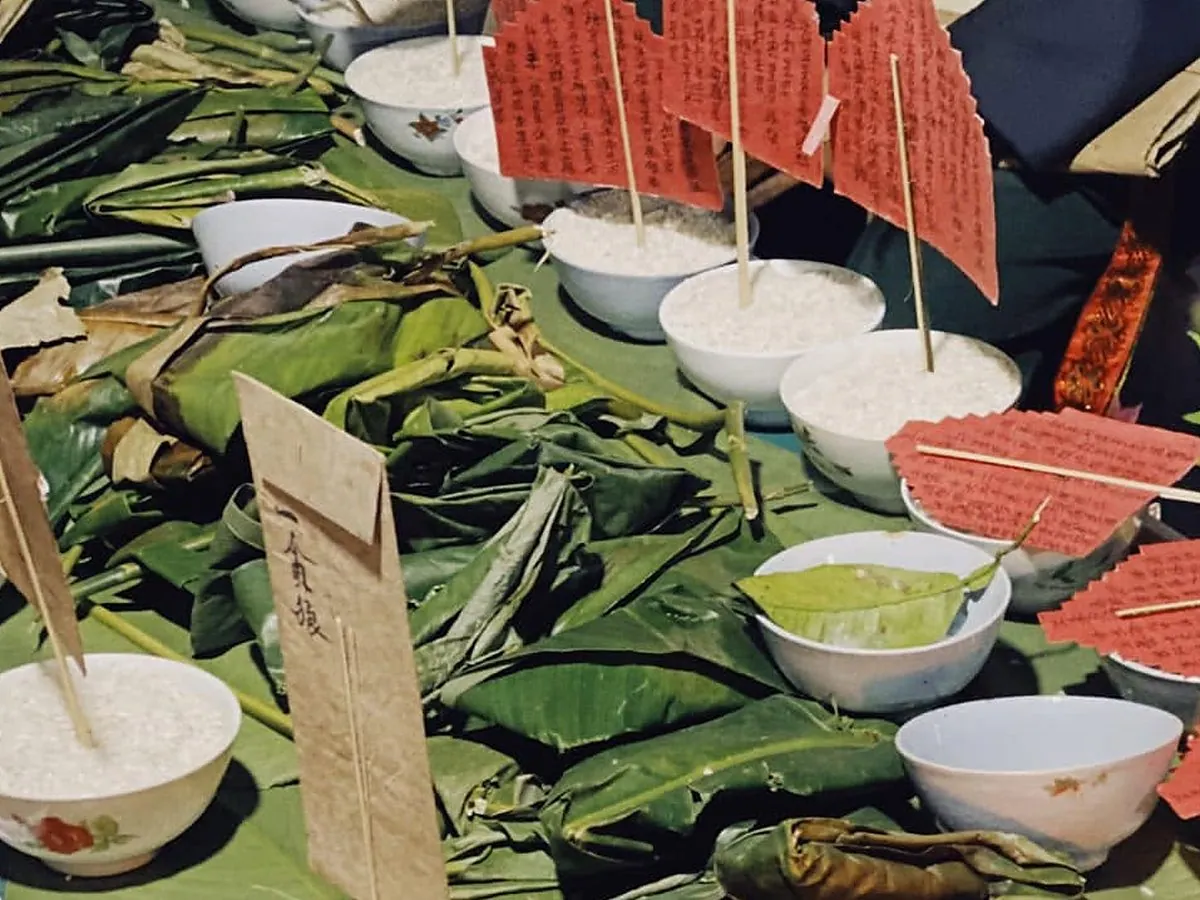
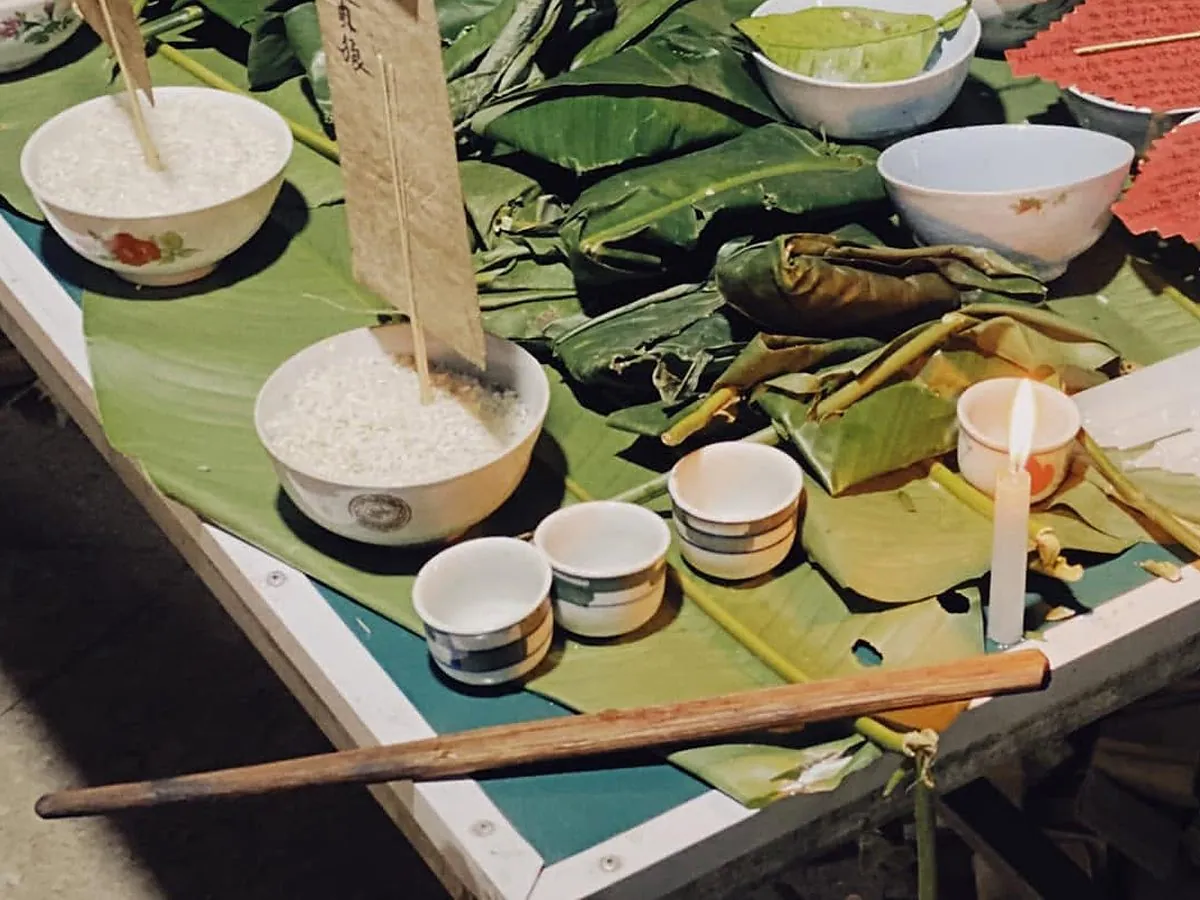
  • Thanh Minh (3rd day of the 3rd lunar month) is for tending ancestral graves, with multicoloured sticky rice shaped into little mountain peaks.
  • On New Year’s Eve many families paste red paper on altars, animal pens, fruit trees and even tools so that “objects also celebrate Tet”.
  • Take off your shoes before climbing into a stilt house; many Nung An homes have a stone trough under the eaves for washing hands and feet first.

Market days

Markets meet on fixed lunar dates, about six times a month on days ending in the same digit (a “1, 6” market meets on the 1st, 6th, 11th, 16th, 21st and 26th of the lunar month), from dawn until late morning. Dates can change, so check with your host before you go.

Market tips
AreaMarket (lunar dates)What’s special
NorthNuoc Hai (3, 8) · Cao Binh (5, 0) · Na Ri (4, 9) · Na Giang (1, 6) · Ban Gioi (5, 0) · Soc Ha (2, 7) · Tong Cot (2, 7)Nuoc Hai is the largest, trading in the Tay language; Na Giang draws many Hmong
WestNguyen Binh (3, 8) · Tinh Tuc (5, 0) · Na Bao (4, 9) · Phai Khat (2, 7) · Phia Den (1, 6)Many Red Dao and Dao Tien; silverwork, brocade, beeswax prints, shiitake, honey, arrowroot noodles
EastQuang Uyen (1, 6) · Hang Chau (3, 8) · Trung Khanh (5, 0) · Po Tau (1, 6) · Po Peo (4, 9) · Thong Hue (2, 7)Handmade paper, incense, indigo cloth, blacksmith goods, basketry, banh khao cakes, fermented soy sauce and tofu
Dao Tien people at a marketPhoto: Bùi Tuấn Hùng
Dao Tien people at a market

Craft villages you can try

By mid-2024 Cao Bang had 21 traditional craft villages. These welcome visitors to watch and have a go.

Read the craft-village guide

Phia Thap incense village

Quang Uyen commune · over 50 Nung An households hand-making incense for more than 100 years, with yards of incense fanned out like flowers; try rolling sticks.

Pac Rang blacksmith village

Quang Uyen commune · Nung An blacksmithing of Phuc Sen is National Intangible Heritage (2019); watch the forges and try the hammer.

Dia Tren paper village

Quang Uyen commune · about 65 Nung An households making paper from may sla bark; lift a sheet yourself.

Lung Ri yin-yang tile village

Hanh Phuc commune · handmade fired-clay tiles laid alternately up and down; try shaping a tile.

Luong Noi Tay brocade

Ha Quang commune · National Intangible Heritage (2023) with over 20 motifs; try spinning and weaving.

Dao Tien embroidery and beeswax printing

Tam Kim commune, former Hoa Tham · wax drawn on cloth and dyed in indigo many times; try drawing with wax and a few stitches.

Dao Tien silversmithing

Nguyen Binh area · silver jewellery engraved by hand with dozens of punches; a full bridal set takes about a month.

Bo To slab sugar

Phuc Hoa commune · 95 households boiling cane juice into slab sugar, busiest before Tet.

Six dishes to try

Visit the central market in the morning for rice rolls, and pick up chestnuts and smoked sausage to take home.

Seven-flavour roast duck

Seven-flavour roast duck

Duck stuffed with mac mat leaves and spices, roasted over embers until the skin crackles.

Cao Bang rice rolls

Cao Bang rice rolls

Silky rice rolls served with a hot bone broth instead of dipping sauce: the local breakfast.

Sour pho

Sour pho

A cool mixed noodle dish with roast pork, liver, peanuts, fried taro and a sweet-sour dressing.

Khau nhuc

Khau nhuc

Pork belly steamed for hours with taro until meltingly soft: a festive favourite.

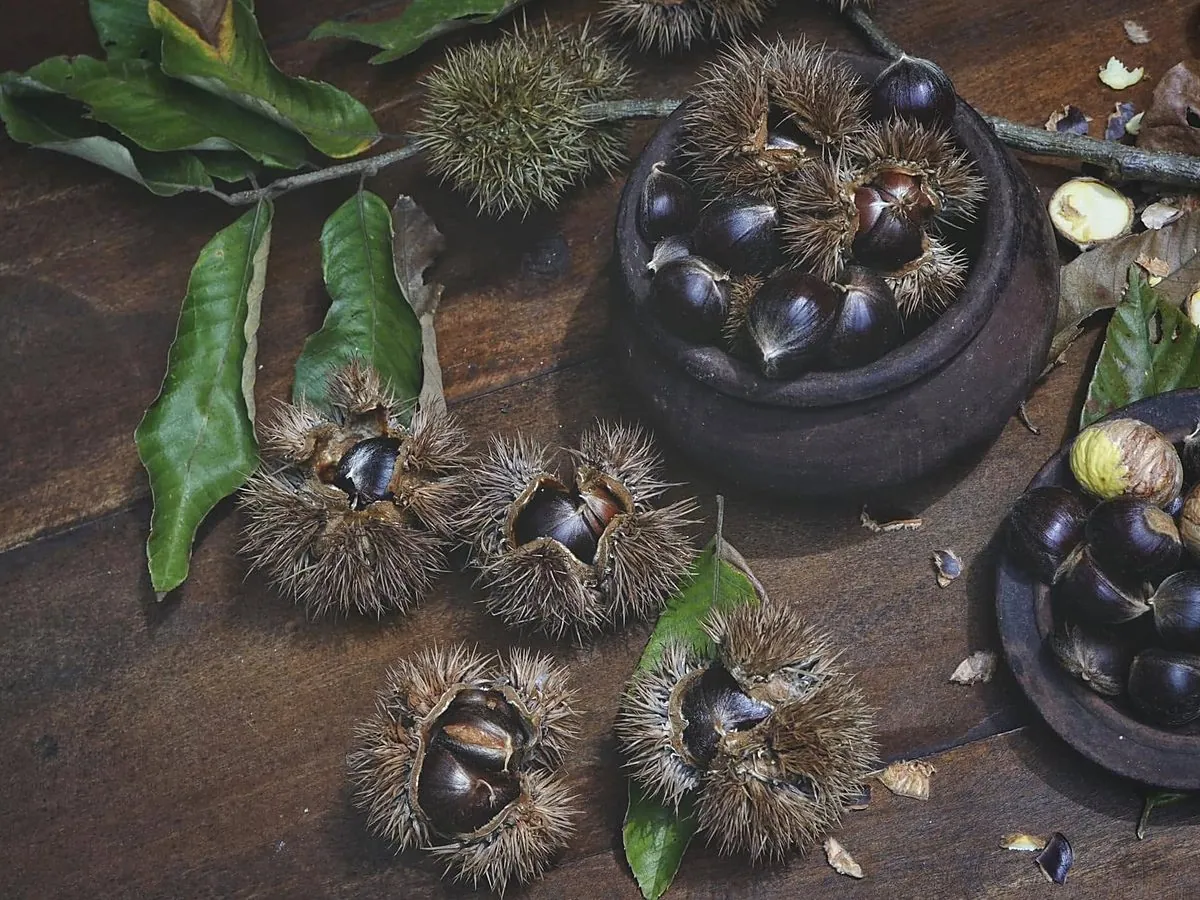
Trung Khanh chestnuts

Trung Khanh chestnuts

An autumn speciality: large, sweet, nutty chestnuts, roasted, boiled or braised with chicken.

Coong phu dumplings

Coong phu dumplings

Glutinous rice balls in hot ginger syrup: a warming sweet for chilly days.

More dishes to try

Cao Bang food guide

Thong Hue banh khao

Roasted sticky-rice flour pressed in wooden moulds with peanut, sugar and pork-fat filling; a classic Tet gift from Trung Khanh.

Peng mooc

Young sticky-rice flakes packed in palm-leaf moulds by the Tay of Ngoc Con, boiled 2 – 3 hours, made only for festivals and weddings in late autumn and early winter.

Five-colour dried noodles

Coloured only with natural ingredients: red brown rice, magenta leaf, butterfly pea, purple sweet potato and pandan.

Bao Lac pho

Home-steamed rice sheets dried and cut, served in pork-bone broth with roast pork.

Trung Khanh chestnuts

With a geographical indication, ripe around September – November; roasted, boiled or made into rice flakes and sticky rice.

Seasonal forest foods

Mac khuoi berries in March – April, bamboo shoots in July – August, vegetable fern and rock snails in the rainy season.

You may also like

The Cao Bang newsletter, once a month

Newsletter

The Cao Bang newsletter, once a month

Upcoming festivals, seasons and new trip ideas, straight to your inbox.